
Sauces & Condiments
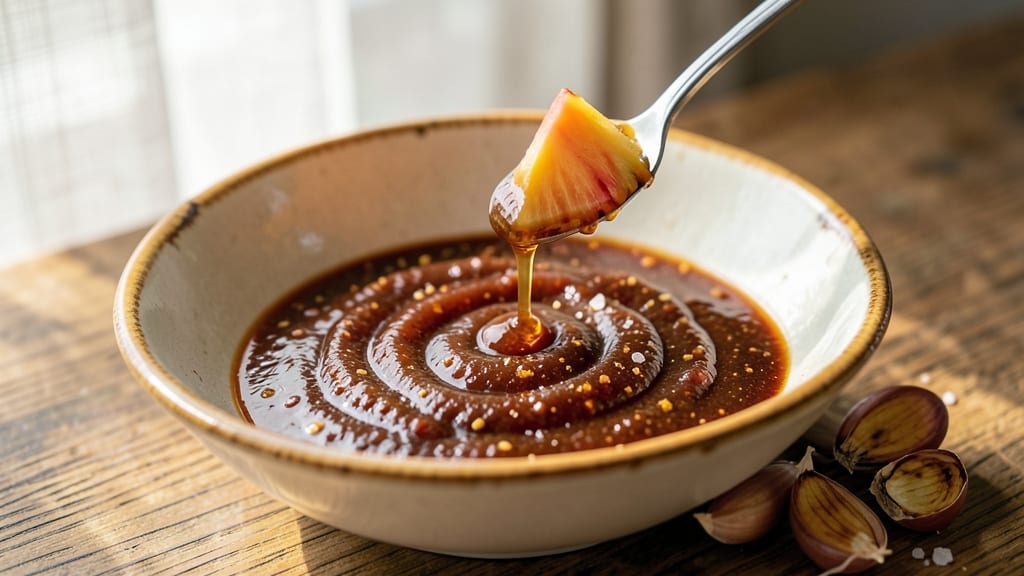
A tropical twist on classic BBQ sauce recipe with pineapple juice transforms ribs into caramelized masterpieces with just a few simmered ingredients. This pineapple-infused glaze balances sweet, tangy, and smoky flavors while reducing to a thick, sticky consistency perfect for glazing or dipping.
The secret? Simmering until it thickens naturally—no thickeners needed—so every bite delivers that perfect balance of fruit-forward brightness and deep, smoky richness.
The sauce starts with a base of tomato paste and vinegar for tang, then builds layers of flavor with brown sugar, molasses, and a splash of pineapple juice that adds tropical brightness without overpowering the smoky notes.
A blend of spices—garlic powder, onion powder, paprika, and cayenne—creates depth, while fresh pineapple juice prevents the sauce from becoming too heavy. The result? A sauce that caramelizes beautifully on ribs, chicken, or even as a dipping sauce for fries.
What sets this recipe apart is its versatility—use it as a glaze for pulled pork, a marinade for chicken, or a dipping sauce for wings. The pineapple juice not only adds sweetness but also helps the sauce cling to meat, creating a sticky, caramelized crust that’s irresistibly flavorful.
Best of all, it keeps well in the refrigerator for up to two weeks, so you can make a big batch and enjoy it all season long.
For the best results, let the sauce reduce slowly over medium heat, stirring often to prevent burning. The longer it simmers, the thicker and more concentrated the flavors become. This isn’t just another BBQ sauce—it’s a tropical upgrade that turns ordinary grilled dishes into something extraordinary.
Ingredients for bbq sauce recipe with pineapple juice
Tropical flavors meet smoky depth in this bold, caramelizing BBQ sauce with pineapple.
| Ingredient | Amount | Notes |
|---|---|---|
| Tomato Paste 🍅 | ½ cup | High-quality, unsweetened preferred |
| Apple Cider Vinegar 🍏 | ¼ cup | For tangy depth |
| Light Brown Sugar 🍚 | 1 cup | Packed firmly |
| Molasses 🍯 | ¼ cup | Unsulphured for best flavor |
| Fresh Pineapple Juice 🍍 | ½ cup | From ripe pineapple, no additives |
| Garlic Powder 🧄 | 1 tbsp | Freshly ground preferred |
| Onion Powder 🧅 | 1 tbsp | For aromatic base |
| Smoked Paprika 🌶️ | 1 tbsp | For smoky depth |
| Cayenne Pepper 🔥 | ½ tsp | Adjust for heat preference |
| Salt 🧂 | 1 ½ tsp | Diamond Crystal preferred |
The tomato paste is your flavor anchor—Muir Glen or San Marzano brands have the richest taste. Grab a small can from the international aisle if you want to splurge. Molasses adds depth, but unsulphured is key—sulphured tastes medicinal. Pineapple juice? Fresh is best, but the canned stuff works in a pinch (just drain well). For the vinegar, apple cider gives the best balance—white vinegar works but lacks complexity. Pro tip: Toast your spices in a dry pan for 30 seconds before mixing—wakes up the flavors.
No fresh pineapple juice? Coconut water or mango nectar adds tropical vibes in a pinch. Short on molasses? Maple syrup at half the amount works, but it’ll taste sweeter. The smoked paprika is non-negotiable for that BBQ smokiness—substitute regular paprika plus a pinch of liquid smoke if needed. For heat, reduce cayenne to 1/4 tsp if you’re sensitive. And if you’re making this for a crowd, double the batch—just remember to stir constantly while reducing or it’ll burn.
This sauce gets better as it sits—3-4 days in the fridge lets the flavors meld perfectly. For long-term storage, freeze in ice cube trays—thaw what you need for each use. The caramelized version? Store in a jar with a thin layer of oil on top to preserve that glossy finish. Trust me, leftovers taste even better the next day once everything marries together.
Why You'll Love This Recipe
- Pantry Magic: I swear by this one—no fancy ingredients, just what’s already lurking in my cupboards. That molasses and brown sugar combo? It’s the secret weapon that turns a quick sauce into something you’d pay double for at a restaurant.
- Tropical Twist: Honestly, the pineapple juice is what makes it special. It cuts through the richness of the tomato paste and brown sugar, giving it this bright, almost tangy-sweet balance that’s addictive. (Yes, even on a Tuesday night.)
- Sauce for Everything: This isn’t just for grilled chicken—it’s my go-to for roasted veggies, pulled pork, or even drizzled over fries. The vinegar keeps it versatile, so it won’t overpower anything you toss it on.
- Make-Ahead Money-Saver: Between us, I make a big batch every few weeks and stash it in the fridge. It’s cheap to make, lasts forever, and means I’m never scrambling for store-bought sauce that’s too sweet or too smoky. Win.
Step-by-step instructions for tropical BBQ sauce
This tropical glaze transforms ribs into sticky, caramelized perfection—here's how to make it shine.
Build the Flavor Base
In a medium saucepan over medium heat, combine the 0.5 cup tomato paste with the 0.25 cup apple cider vinegar. Stir constantly for 3-4 minutes until the paste darkens slightly and becomes smooth—this releases its rich, concentrated flavor. The vinegar will help balance the sweetness later, so don't skip this step.
Next, whisk in the 1 cup light brown sugar and 0.25 cup molasses, stirring until fully dissolved. You'll notice the mixture thicken as the sugars melt. Here's the thing—molasses adds depth, but it can be overpowering if you don't let it integrate completely. Keep stirring until the sauce looks glossy and uniform, with no grainy textures remaining.
Add Spices and Heat
Reduce the heat to low and sprinkle in the 1 tbsp garlic powder, 1 tbsp onion powder, 1 tbsp smoked paprika, 0.5 tsp cayenne pepper, and 1.5 tsp salt. Whisk vigorously for 1-2 minutes to distribute the spices evenly—this ensures every bite gets that perfect balance of smoky, spicy, and savory notes.
I always taste at this stage. The sauce should be sweet, tangy, and just starting to develop complex layers. If it needs more heat, add a pinch more cayenne. If it's too spicy, a splash of pineapple juice later will mellow it out. This is your chance to adjust before committing to the full cook.
Simmer and Reduce for Depth
Increase heat to medium-high and bring the sauce to a gentle boil. Let it simmer uncovered for 15-20 minutes, stirring occasionally, until it thickens noticeably. You're looking for a syrup-like consistency—it should coat the back of a spoon but still flow smoothly. The longer it simmers, the more concentrated the flavors become.
During this time, the sugars will caramelize slightly, giving the sauce its signature glossy sheen. If it starts to stick, add 1-2 tablespoons of water to keep it moving. The goal is to reduce it by about one-third—this isn't just about thickness, it's about developing that deep, complex flavor profile that makes this sauce special.
Finish with Pineapple Juice
Remove the sauce from heat and let it cool for 2-3 minutes. Then stir in the 0.5 cup fresh pineapple juice—this is where the magic happens. The acidity cuts through the richness, brightens the flavors, and adds that tropical twist that makes this sauce stand out. Taste again and adjust seasoning if needed.
For best results, let the sauce cool completely before using it on ribs. The flavors will meld even more as it sits, and the texture will become perfectly balanced—thick enough to cling but still glossy enough to glaze. This patience ensures your ribs get that perfect sticky, caramelized crust that everyone will rave about.
Store and Use
Transfer the finished sauce to a clean jar and let it cool to room temperature. It will keep in the refrigerator for up to 2 weeks, or you can freeze it for 3 months for later use. When ready to serve, reheat gently over low heat, stirring occasionally, until warmed through.
This sauce is incredible on ribs, but it also works beautifully as a glaze for grilled chicken, pork chops, or even as a dipping sauce for fries. The tropical notes make it versatile enough for summer cookouts while still delivering that deep, smoky BBQ flavor you love. Trust me, your ribs will thank you!
Pro Tips For Making Bbq Sauce Recipe With Pineapple Juice
- Simmer Slow and Steady: That pineapple juice burns faster than you’d think—keep the heat at a gentle simmer (medium-low) once everything’s combined. I learned this the hard way after one batch turned into a sticky black mess. Let it bubble softly for at least 20 minutes to meld flavors without scorching.
- Strain the Pineapple Juice: Fresh pineapple juice is full of pulp that thickens your sauce into a gluey nightmare. Strain it through a fine-mesh sieve or cheesecloth before adding it to the pot—yes, it’s extra work, but the result is smoother and less likely to clog your bottle. (Your future self will curse you if you skip this.)
- Balance the Sweetness Early: Taste the sauce before it’s fully cooked, especially after adding sugar and molasses. The pineapple juice can make sweetness hit harder than expected—adjust with a splash of vinegar or a pinch of salt now, not later. I used to wait until the end and ended up overcorrecting.
- Use Molasses Last: Add the molasses in the final 5 minutes of simmering, or it’ll turn bitter from overcooking. Stir it in, then taste immediately—if it’s too strong, balance it with a quick hit of vinegar. (This isn’t the prettiest method, but it’s the tastiest.)
Essential equipment for this dish
Medium Saucepan
Start with a medium saucepan—it’s the perfect size for controlling heat while reducing the sauce. I use a stainless steel saucepan like the All-Clad Stainless because it distributes heat evenly and prevents scorching.
If you don’t have one, a heavy-bottomed pot from Cuisinart works just as well. Avoid thin, lightweight pans—they’ll cause hot spots and burn your sauce before it thickens properly. 🔥
Whisk for Even Mixing
A balloon whisk is your best friend here—it cuts through thick mixtures like tomato paste and molasses better than a spoon. I love the OXO Good Grips Whisk because it’s ergonomic and won’t slip in your hand.
Whisking also incorporates air, which helps the sauce thicken more evenly during reduction. If you’re short on time, a hand mixer on low speed works in a pinch, but whisking gives you more control over texture.
Fine-Mesh Strainer
If you’re using fresh pineapple juice from chunks, strain it through a fine-mesh sieve or cheesecloth to remove pulp and seeds. This prevents graininess in your finished sauce. I keep a stainless steel fine-mesh strainer from Hamilton Beach in my kitchen—it’s durable and easy to clean.
For canned pineapple juice, skip this step unless you prefer a smoother texture. The strainer also comes in handy if you toast your spices in a dry pan and want to sift them into the sauce.
Measuring Spoons
Precision matters with spices like cayenne and smoked paprika. Use a set of stainless steel measuring spoons—I recommend OXO’s Good Grips set—they’re easy to read and won’t rust. A 1/4 teaspoon of cayenne can make a big difference, so don’t eyeball it.
For the 1 tablespoon measurements of garlic and onion powder, a spoon rest (like the Mason Jar Lids one) keeps your counter clean while you measure. Accurate measurements ensure your sauce balances sweet, tangy, and spicy notes perfectly.
Glass Storage Jars
Store your finished sauce in glass jars with airtight lids—I use Ball Mason jars for their durability and classic look. Glass won’t absorb flavors like plastic, and the airtight seal keeps the sauce fresh for up to 2 weeks in the fridge.
For long-term storage, freeze the sauce in ice cube trays—thaw only what you need for each use. The jars also double as serving dishes at potlucks, so everyone can see the beautiful caramelized glaze. Label them with the date to track freshness.
Digital Kitchen Scale
While this recipe uses volume measurements, a digital kitchen scale (like the OXO Good Grips) helps when adjusting quantities. For example, if you want to double the recipe, weighing the brown sugar or tomato paste ensures consistency.
It’s especially useful for molasses, which can vary in density. A scale also comes in handy if you’re experimenting with substitutions—like swapping maple syrup for molasses. Investing in one simplifies scaling recipes and reduces waste. 💡
Nutrition facts
Frequently asked questions
Can I substitute pineapple juice with something else?
Yes! If you're out of pineapple juice, try mango nectar or coconut water for tropical sweetness. For a deeper BBQ flavor, apple cider or orange juice work well too. Just remember that pineapple juice adds a unique brightness—substitutes may alter the sauce's balance slightly.
How do I prevent my sauce from burning?
Keep the heat at medium-low during simmering and stir frequently. A heavy-bottomed saucepan helps distribute heat evenly. If it starts to darken too quickly, reduce heat immediately and add 1-2 tablespoons of water to thin it out. The goal is slow reduction, not quick cooking!
Can I make this sauce without molasses?
Replace the 0.25 cup molasses with 0.25 cup maple syrup or 0.125 cup honey for a sweeter profile. For depth without sweetness, use 0.25 cup additional tomato paste. Molasses adds complexity, but these alternatives work beautifully—just taste and adjust spices afterward.
Is this sauce good for grilling or just ribs?
This versatile glaze works on any protein! Use it on chicken thighs, pork chops, or even tofu for grilling. For vegetables, brush it on portobello mushrooms or corn on the cob before grilling. The pineapple juice helps it cling beautifully to all surfaces, making it perfect for summer cookouts.
How do I adjust the heat level?
For milder heat, reduce cayenne to 1/4 teaspoon or omit it entirely. For extra spice, add 1/2 teaspoon cayenne or a pinch of red pepper flakes. Always taste after simmering—you can mellow heat with more pineapple juice or balance it with a touch of apple cider vinegar if needed.