
Sauces & Condiments
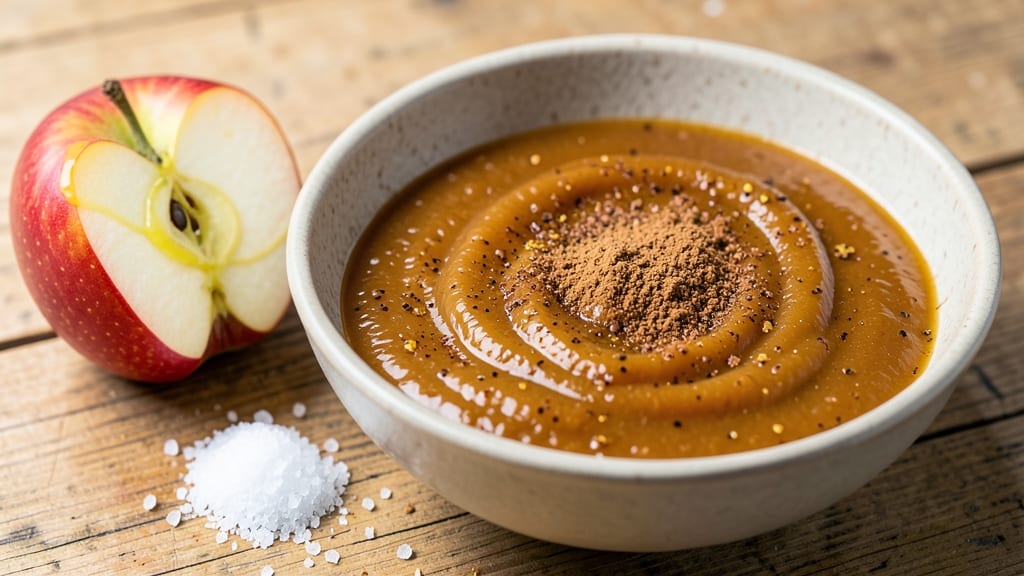
This basic apple sauce recipe transforms simple apples into a smooth, naturally sweet condiment perfect for pairing with meats, desserts, or spreading on toast. 🍏 The process is straightforward—peel, core, and simmer apples with cinnamon and a touch of sugar until tender, then blend until silky.
I’ve tested this method countless times, and it never fails to deliver a versatile sauce that’s both comforting and easy to customize.
The beauty of this recipe lies in its simplicity: just six ingredients and 15 minutes of active time. You’ll start with firm apples like Honeycrisp or Granny Smith, which hold their shape during cooking, and finish with a sauce that’s naturally sweetened—no artificial flavors needed.
The cinnamon adds warmth, while a splash of lemon juice brightens the flavor, balancing the natural tartness of the apples.
What you’ll end up with is a smooth, fragrant apple sauce that’s perfect for serving alongside roasted pork, turkey, or chicken. It’s also a great pantry staple—store it in the fridge for up to a week or freeze for longer shelf life.
The texture is velvety, the aroma inviting, and the taste perfectly balanced between sweet and spiced.
For extra depth, try adding a pinch of nutmeg or a dash of vanilla extract. If you prefer a chunkier texture, simply mash the apples by hand instead of blending. This recipe is your foundation—adjust to your taste and enjoy the versatility of homemade apple sauce.
Ingredients for basic apple sauce
Six simple ingredients transform apples into velvety sauce perfect for pairing with meats or desserts.
| Ingredient | Amount | Notes |
|---|---|---|
| Firm Apples (Honeycrisp or Granny Smith) 🍏 | 4 medium | Peeled and cored |
| Granulated Sugar 🍚 | ¼ cup | Adjust to taste |
| Ground Cinnamon 🌿 | 1 tsp | Freshly ground preferred |
| Lemon Juice 🍋 | 1 tbsp | Freshly squeezed |
| Water 💧 | ¼ cup | Or apple cider |
| Pinch of Salt 🧂 | ⅛ tsp | Enhances flavor |
Apples are the star—Honeycrisp or Granny Smith hold their shape best during cooking. Local farmers markets often have the freshest, firmest varieties, but the grocery store works too. Look for apples that feel heavy for their size and have a vibrant color—no bruises or soft spots. I usually buy a bag of Granny Smith from Trader Joe's because they're consistent and hold up well. If you're using a mix of apples, Honeycrisp adds sweetness while Granny Smith keeps it bright and tangy. Peel them first to avoid bitterness, and cut into even chunks so they cook uniformly.
No cinnamon? Nutmeg or pumpkin pie spice works in a pinch, though the flavor will differ slightly. Short on sugar? Maple syrup or agave are great 1:1 swaps—they add depth. The lemon juice is key for balancing sweetness, but if you're out, a splash of apple cider vinegar does the trick. For water, unsweetened apple cider adds subtle flavor without extra effort. And that pinch of salt? Don't skip it—it rounds out all the flavors. If you prefer a chunkier texture, skip the blending step entirely and mash with a fork instead.
This sauce keeps beautifully—1 week in the fridge or 6 months in the freezer. I like to store it in small jars so I can grab just what I need. For freezing, leave a little headspace since it expands. Reheat gently on the stove or microwave until warm. The flavor actually improves after a day or two as the spices meld. Perfect for batch cooking—make a big batch and use it all week in sandwiches, with pork chops, or even as a natural sweetener in oatmeal.
Why You'll Love This Recipe
- Five-Ingredient Magic: I swear by this—just apples, sugar, cinnamon, lemon, and water. That’s it. No fancy gadgets, no stress. Peel, chop, simmer. Done.
- Sweet-Tart Balance: Honeycrisp gives that juicy bite, while Granny Smith keeps it bright. A splash of lemon? Chef’s kiss. The cinnamon ties it all together—warm, cozy, and just sweet enough.
- Pantry Staple Flex: Use it as a topping for oatmeal, swirl it into yogurt, or drizzle it over pancakes. Freeze extra jars for winter toast. Honestly, I’ve even used it in savory dishes—yes, really.
- Zero-Waste Winner: Apples get mushy? No problem—blend it all up. Overripe fruit? Perfect. Even the peels go in (peeled or not, your call). And because it’s just five ingredients, it’s cheap to make in bulk.
Step-by-step instructions for homemade apple sauce
Let's make this simple, foolproof apple sauce that's smooth, naturally sweet, and packed with warm spice.
🍎 Step 1: Peel, Core, and Chop the Apples
Start by peeling the 4 medium firm apples (Honeycrisp or Granny Smith) using a vegetable peeler or sharp knife. I like to work over a bowl to catch any juices that escape during peeling—this helps minimize waste. Cut each apple in half and remove the cores using a coring tool or small spoon.
Cut the peeled apple halves into ½-inch chunks. For even cooking, try to keep the pieces roughly uniform in size. If you're using Honeycrisp, you'll get a slightly lighter sauce with natural sweetness. Granny Smith will give you a tangier, more robust flavor that balances beautifully with the cinnamon.
🍳 Step 2: Combine Ingredients in a Saucepan
In a medium saucepan, combine the chopped apples, the 0.25 cup granulated sugar, the 1 tsp ground cinnamon, the 1 tbsp lemon juice, the 0.25 cup water, and the 0.125 tsp salt. Give everything a good stir to distribute the spices and sugar evenly through the apple pieces.
Here's the thing—don't skip the lemon juice. It brightens the apples and prevents the sauce from turning bitter during cooking. The salt might seem like a tiny amount, but it enhances all the flavors, especially when paired with the sweetness and spice. I always use freshly ground cinnamon if possible—it makes a noticeable difference in aroma and flavor.
🔥 Step 3: Simmer Until Soft and Tender
Place the saucepan over medium-high heat and bring the mixture to a gentle boil. Once boiling, reduce the heat to medium-low and let it simmer uncovered for 8-10 minutes, stirring occasionally. You're looking for the apples to become fork-tender but not mushy.
I like to stir every 2-3 minutes to prevent sticking and ensure even cooking. You'll know it's ready when the apples break down easily with a fork and the sauce begins to thicken naturally. If the mixture looks too dry, add 1-2 tablespoons of water to maintain the right consistency. The sauce should coat the back of a spoon but still be spoonable.
🥘 Step 4: Blend or Mash to Desired Texture
For a smooth apple sauce, use an immersion blender to blend the mixture directly in the saucepan until completely smooth. If you prefer a slightly textured sauce, mash the apples with a potato masher or fork until you reach your desired consistency. I usually do a quick pulse with the immersion blender to break up any large chunks while keeping some texture.
Taste the sauce and adjust the sweetness if needed. You can add more sugar, 1 teaspoon at a time, if you prefer it sweeter. The cinnamon and lemon juice should be balanced—if it tastes too sharp, add a tiny pinch more sugar. The salt enhances all the flavors, so don't skip it even if you're not tasting it directly.
⏰ Step 5: Cool and Store for Freshness
Transfer the apple sauce to a clean glass jar or airtight container while it's still warm. This helps prevent the sauce from forming a skin on top as it cools. Let it cool to room temperature, then refrigerate for up to 1 week or freeze for up to 6 months.
I like to let the sauce sit for at least 30 minutes before serving—this allows the flavors to meld even more. The sauce will thicken slightly as it cools, so if you prefer it thinner, just stir in a splash of water or apple cider. Serve warm with pancakes, oatmeal, or toast for a comforting breakfast, or enjoy it chilled as a refreshing snack.
Pro Tips For Making Basic Apple Sauce
- PEEL AND CORE FAST: Cut apples into quarters first—skin and core in one motion with a sharp knife. I learned this the hard way after wrestling with a slippery apple on my cutting board for the third time.
- SIMMER LOW AFTER BOILING: Once the apples hit a rolling boil, drop the heat to medium-low—too high and you’ll end up with mushy, watery sauce. Granny Smiths especially need gentle heat to break down without turning to pulp.
- DON’T SKIP THE LEMON: That splash of lemon juice isn’t just for flavor—it keeps the apples from turning gray while cooking. I used to leave it out, and the sauce always looked dull even if it tasted fine.
- USE A POT LID FOR 10 MINUTES: Cover the pot for the first 10 minutes of cooking to trap steam and soften the apples faster. Then uncover to reduce and thicken—this cuts cooking time by half without sacrificing texture.
Flavor customization for these flavors
Spiced Variations
For a cozy autumn twist, add ½ tsp freshly grated nutmeg or ¼ tsp cardamom along with the cinnamon. I love using Penny & Spice for their high-quality whole spices—just toast them lightly in the pan for 30 seconds before adding the apples to deepen their aroma. 🌿
Want a smoky depth? Swap ½ tsp smoked paprika for half the cinnamon. This works surprisingly well with Granny Smith apples—the tanginess balances the smokiness beautifully. Store-bought smoked paprika like McCormick is fine, but homemade (toasted and smoked) is even better if you have access.
Sweet & Tangy Twists
Brighten the sauce with 1 tsp vanilla extract or ½ tsp orange zest for a citrusy note. I often use McCormick pure vanilla extract because it’s consistent and affordable. For a tropical vibe, add ½ tsp ginger—it pairs perfectly with Honeycrisp apples and adds a subtle kick.
Need extra sweetness? Replace 2 tbsp of the sugar with 1 tbsp honey or maple syrup. The natural sweetness enhances the apples without overpowering them. I’ve also tried date syrup for a caramel-like depth—it’s richer but works well in savory dishes like pork tenderloin.
Texture Play
For a chunky texture, skip blending entirely and mash the apples with a potato masher or fork. This keeps some bite while still being smooth enough to spread. I like leaving ¼-inch apple pieces for contrast—it’s perfect with crusty bread or roasted chicken.
Craving a creamy sauce? Stir in 2 tbsp Greek yogurt or sour cream at the end for tangy richness. This works especially well with spiced variations—the acidity cuts through the sweetness. Just add it after blending while the sauce is still warm to avoid curdling.
Savory Balance
Surprisingly, a pinch of black pepper or a dash of cayenne adds complexity. I’ve tested this with ½ tsp black pepper and ¼ tsp cayenne—it’s subtle but elevates the sauce for meat dishes like pork chops. The heat balances the sweetness without overpowering.
For a herbaceous touch, add 1 tsp fresh thyme or rosemary while simmering. These herbs pair wonderfully with savory applications, like glazing ham or roasted vegetables. I like using fresh thyme from my garden—it’s bright and aromatic compared to dried versions.
Nutrition facts
Frequently asked questions
Can I use any apples for this recipe?
Firm apples like Honeycrisp or Granny Smith work best—they hold their shape during cooking and create a balanced sauce. Avoid soft varieties like Red Delicious, as they'll turn mushy. If you only have softer apples, add 1 extra tablespoon of lemon juice to prevent bitterness during simmering.
Why does my apple sauce turn out too thick?
This usually happens if you simmer too long or use less water than called for. To fix it, stir in 1-2 tablespoons of water or apple cider while warm and reheat gently. For prevention, keep an eye on the sauce after 8 minutes—it should coat the back of a spoon but remain spoonable.
How can I make this sauce without sugar?
Use naturally sweet apples like Fuji or Gala and reduce the sugar to 1-2 tablespoons. For extra sweetness, add 1 tbsp honey or maple syrup during simmering. The lemon juice helps balance any tartness. Taste after blending—adjust with more sweetener if needed.
Can I make apple sauce in a slow cooker?
Yes! Combine all ingredients in your slow cooker and cook on low for 3-4 hours or high for 2 hours, stirring occasionally. The texture will be slightly thicker than stovetop, so add water as needed. This method is perfect for hands-off prep—great for busy days!
What's the best way to store leftover apple sauce?
Store in an airtight container in the fridge for up to 1 week or freeze for 6 months. For freezing, leave ½-inch headspace as it expands. Reheat gently on the stove or microwave until warm. The flavor actually improves after 24 hours as spices meld!