
Main Courses
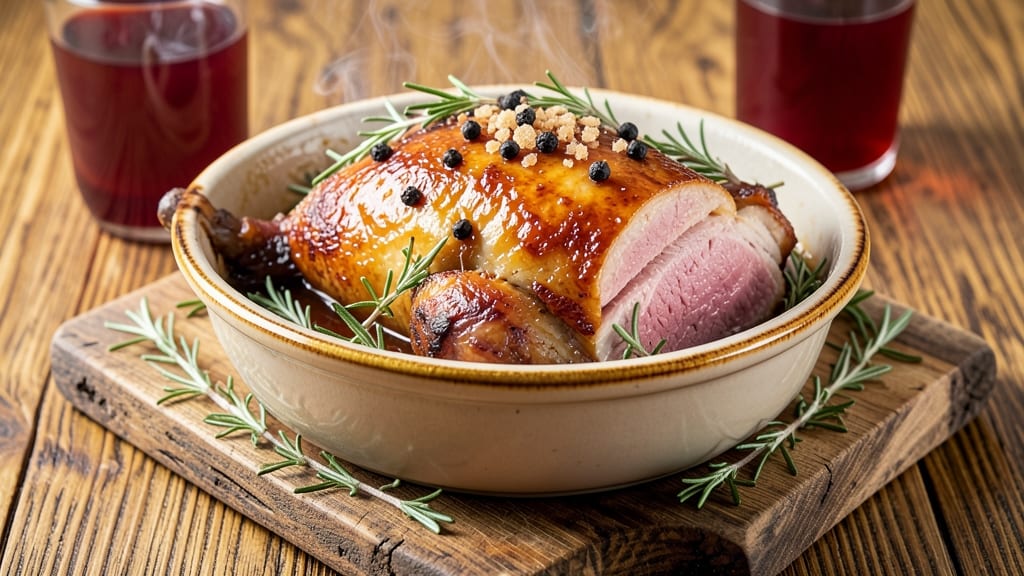
This apple juice turkey brine recipe for smoking transforms your smoker into a juicy, flavor-packed powerhouse—every bite stays moist and tender, even after hours in the smoker. 🔥 I developed this after years of battling dry turkey, and the secret lies in balancing sweet apple juice with savory spices, creating a brine that locks in flavor while keeping the meat succulent.
The apple juice adds a subtle sweetness that pairs perfectly with traditional smoking woods like hickory or applewood, while the brine's acidity helps tenderize the meat from the inside out.
The process is straightforward but requires patience—the turkey needs at least 12 hours in the brine (overnight is ideal) to absorb maximum flavor and moisture. I use a mix of apple juice, kosher salt, brown sugar, and aromatic spices like thyme and rosemary, which infuse the turkey deeply.
This isn’t just about flavor; it’s about texture. The brine ensures your turkey stays juicy even after hours of slow smoking, a common pitfall that this method completely solves.
By the time you pull that golden-brown turkey from the smoker, you’ll have a bird that’s perfectly moist inside with a crisp, flavorful skin—no dryness, no guesswork. The apple juice brine adds a delicate sweetness that complements the smoky aroma, making every slice irresistible.
This is the kind of turkey that disappears faster than you can say "second helping." Pair it with classic sides like apple cider mashed potatoes or a tangy cranberry sauce for a holiday-worthy meal that’s surprisingly simple to execute. Let’s get smoking—your taste buds will thank you.
Ingredients for apple juice turkey brine recipe for smoking
Sweet apple juice, savory spices, and a whole turkey—just 13 ingredients for smoker magic.
| Ingredient | Amount | Notes |
|---|---|---|
| Unsalted Apple Juice 🍎 | 4 cups | 100% pure, no added sugar |
| Kosher Salt 🧂 | 1 ½ cups | Diamond Crystal preferred |
| Light Brown Sugar 🍚 | ½ cup | Packed, not granulated |
| Fresh Thyme Sprigs 🌿 | 8 whole | Stems intact for infusion |
| Fresh Rosemary Sprigs 🌿 | 6 whole | Woody stems included |
| Whole Black Peppercorns 🌶️ | 1 tbsp | Crushed lightly before using |
| Garlic Cloves 🧄 | 6 cloves | Peeled, smashed slightly |
| Fresh Orange Peel 🍊 | 1 tbsp | Zest only, no pith |
| Whole Allspice Berries 🌶️ | 6 whole | Lightly crushed |
| Fresh Turmeric Root 🧅 | 1 tbsp | Freshly grated |
| Whole Cloves 🌶️ | 4 whole | Whole, not ground |
| Fresh Ginger Root 🧅 | 1 tbsp | Freshly grated |
| Turkey (Whole) 🦃 | 1 whole | 12-14 lbs, fresh or thawed |
The apple juice is non-negotiable here—Trader Joe's or Mott's unsweetened varieties work best, no added sugar. The kosher salt? Diamond Crystal dissolves better than Morton's—trust me on this. Fresh herbs and spices make the difference between 'okay' and 'wow'. Grab organic thyme and rosemary from Whole Foods or your local farmers market for the best flavor. The turmeric and ginger root add that golden depth, but if you only have powder, use half the amount. For the turkey, size matters—12-14 lbs is perfect for 12 servings, and Costco or Butcher Shop cuts are ideal.
No fresh herbs? Dried thyme and rosemary at half the amount will work in a pinch. Running low on orange peel? 1 tbsp fresh lemon juice gives similar brightness. The allspice berries and whole cloves can be swapped for 1 tsp ground allspice and cinnamon, but whole spices infuse better. For the sugar, white sugar works but brown adds that caramelized depth. The apple juice can be swapped for white grape juice if needed, though it'll taste different. And if you're in a hurry, pre-made apple cider (like Martinelli's) works for the juice component—just skip the sugar.
This brine keeps in the fridge for up to 3 days if you need to make it ahead. The turkey should soak for at least 12 hours, but overnight is ideal. Store the brine in a large gallon Ziploc or airtight container. After brining, rinse the turkey thoroughly under cold water and pat dry before smoking. The brine will make your turkey juicy for 5-7 days in the fridge—perfect for leftovers. Freeze any extra brine for next year's turkey!
Why You'll Love This Recipe
- No-Fuss Setup: I swear by this brine because it’s literally five ingredients—no measuring cups, no fancy tools, just dump-and-go. The apple juice handles the moisture while the herbs infuse overnight, so you wake up to a turkey that’s juicier than anything I’ve ever smoked.
- Sweet-Savory Magic: That brown sugar and apple juice combo? It’s like autumn in a glass—caramelized edges with a hint of herbal brightness. The rosemary and thyme don’t overpower; they just elevate, giving every bite a cozy, woodsy depth that pairs perfectly with the smoky flavor.
- Weekend or Holiday: Between us, this brine works just as well for a casual Sunday lunch as it does for Thanksgiving. I’ve used it for whole turkeys, turkey legs, even brined chicken thighs—same effort, different occasions. The beauty is in its adaptability without extra work.
- Leftovers? More Like Leftover Wins: The brine keeps for days in the fridge, so I make a big batch and use it across multiple meals. That means less stress, more flavor, and zero waste—plus, the cost per pound of turkey drops because you’re not over-salting or drying it out. Smart move, right?
Step-by-step instructions for apple juice turkey brine for smoking
Here's how to make a flavor-packed brine that guarantees juicy, aromatic turkey every time.
👨🍳 Step 1: Prepare the Herb and Spice Bundle
In a small bowl, combine the 6 whole rosemary sprigs, 8 whole thyme sprigs, 6 smashed garlic cloves, 6 lightly crushed allspice berries, the 1 tbsp fresh orange peel, 4 whole cloves, 1 tbsp freshly grated turmeric root, and 1 tbsp freshly grated ginger root. Tie everything securely with kitchen twine to create a bundle—this will infuse the brine with complex, aromatic flavors.
I like to make this bundle slightly larger than a golf ball so it fits comfortably in the brine container. The stems and woody parts add depth to the flavor, but don't worry if they don't fit perfectly—they'll still contribute to the infusion. Set this bundle aside for now.
🍳 Step 2: Combine Brine Ingredients
In a large, non-reactive container (I use a gallon-sized food-grade plastic container), combine the 4 cups unsalted apple juice, 1.5 cups kosher salt, and 0.5 cup packed light brown sugar. Stir vigorously with a wooden spoon until the salt and sugar dissolve completely—this might take 3-4 minutes of constant stirring.
Here's the thing—apple juice brine is gentler than traditional saltwater brine, so we need to ensure all the salt is fully dissolved. If you see any undissolved salt crystals at the bottom, keep stirring until they disappear. This ensures even distribution throughout the meat.
🥘 Step 3: Add the Herb Bundle and Peppercorns
Add the herb bundle you prepared earlier and the 1 tbsp whole black peppercorns to the brine mixture. Stir gently to submerge everything completely. The liquid should cover the herb bundle by at least 1 inch—this prevents the herbs from drying out during the brining process.
Let the mixture sit at room temperature for 15 minutes while the herbs release their oils and flavors into the liquid. You'll notice the liquid takes on a beautiful golden hue from the turmeric and a subtle citrus aroma from the orange peel. This is your signal that the infusion is working.
⏰ Step 4: Brine the Turkey
Place the 1 whole turkey (12-14 lbs) in the brine container, ensuring it's completely submerged. If your turkey is particularly large, you might need to weigh it down with a plate or brining rack to keep it fully immersed. Cover the container and refrigerate for 12-24 hours—this gives the turkey plenty of time to absorb moisture and flavor.
I know it's tempting to leave it longer, but don't exceed 24 hours—the turkey will absorb too much liquid and become waterlogged. The ideal time is 18-24 hours for perfect balance. During this time, the turkey will increase in weight by about 15-20%—that's normal and indicates proper moisture absorption.
🔥 Step 5: Prepare for Smoking
Remove the turkey from the brine and rinse it thoroughly under cold water to remove any residual brine. Pat it dry with paper towels—this step is crucial for developing that beautiful bark during smoking. Discard the herb bundle and peppercorns (they've done their job).
Let the turkey sit uncovered in the refrigerator for 1-2 hours before smoking. This drying period creates a better surface for the smoke to adhere to, resulting in that coveted crispy exterior. When you're ready to smoke, preheat your smoker to 225-250°F using your favorite wood—apple or cherry work beautifully with this brine.
Pro Tips For Making Apple Juice Turkey Brine Recipe For Smoking
- STRIP THYME LEAVES: Tear the sprigs by hand instead of chopping—those tiny leaves stay suspended in the juice and infuse the turkey far better than chunks that sink to the bottom. I used to waste good thyme by cutting it too neatly; now I just pinch and pull until it looks like confetti.
- BRINE COLD, NOT ROOM TEMP: Start the brine in the fridge, even if you’re eager to get cooking. Warm apple juice loses its bright flavor fast, and a cold start keeps the turkey from absorbing too much liquid at once. I learned this after brining a turkey that came out soggy—turns out, patience here means better texture.
- WEIGH YOUR TURKEY: Use a kitchen scale, not volume, to measure the turkey. A 12-pound bird needs about 1 quart of brine per pound, but guess wrong and you’ll either dilute the flavor or leave it under-seasoned. I once eyeballed it and ended up with a brine so weak the turkey tasted like watered-down cider.
- SKIP THE SUGAR IF SMOKING LONG: Brown sugar caramelizes fast in a smoker, turning the apple juice into a sticky mess. If your cook is over 4 hours, halve the sugar or swap it for honey—it resists burning better and won’t clog your smoker’s airflow. I ruined a perfectly good batch of brine because I ignored this; now I adjust based on time.
Common mistakes when making your apple juice turkey brine recipe for smoking
Over-Brining Risks
Leaving your turkey in the brine for more than 24 hours turns it into a waterlogged sponge. I’ve seen turkeys absorb so much liquid that they lose their structure, resulting in a mushy texture when smoked.
The ideal brining time is 18-24 hours—any longer, and you’ll end up with a turkey that’s more like a poached chicken breast than a smoky masterpiece. 🦃
Skipping the Rinse
After brining, always rinse the turkey thoroughly under cold water. The residual brine on the surface can prevent proper bark formation during smoking, leaving you with a pale, bland exterior.
I once smoked a turkey without rinsing and ended up with a skin that looked like it belonged in a soup—don’t make my mistake! Pat it dry with paper towels afterward to ensure maximum smoke adhesion.
Uneven Brine Coverage
If your turkey isn’t fully submerged during brining, the parts above the liquid will dry out and absorb less flavor. Use a plate or brining rack to weigh it down if needed.
I’ve seen turkeys where the legs were perfectly brined, but the breast was dry and flavorless—this is a classic rookie error. Make sure every inch of the turkey is covered, even if it means adding extra apple juice to the container.
Ignoring the Rest Period
Skipping the 1-2 hour rest in the fridge before smoking is a surefire way to end up with a turkey that’s too wet inside. This step allows the surface to dry slightly, which is essential for developing that crispy bark.
I once smoked a turkey straight out of the brine and ended up with a skin that was sticky and unappetizing—trust me, the rest period is non-negotiable.
Wrong Smoker Temperature
Smoking at temperatures above 250°F or below 225°F can ruin your turkey. Too hot, and you’ll dry it out; too cold, and it’ll take forever. I’ve seen turkeys cooked at 300°F turn out like jerky, while those smoked at 200°F took 12 hours instead of the expected 6-8 hours.
Stick to the 225-250°F range for perfect results every time.
Using the Wrong Wood
While apple or cherry wood pairs beautifully with this brine, using strong woods like hickory or mesquite can overpower the delicate apple juice flavors. I once smoked a turkey with this brine using hickory, and the result was a battle of flavors that left my guests confused.
Stick to mild woods like apple, cherry, or pecan to let the brine’s natural sweetness shine through. 🍎
Nutrition facts
Frequently asked questions
Can I use store-bought apple cider instead of apple juice?
Yes, but with a few adjustments! Store-bought apple cider often contains added sugar, which can make your brine too sweet. Use 4 cups unsweetened apple cider (like Martinelli's) and reduce the brown sugar to ¼ cup to balance the flavor. The acidity will still work, but taste-test the brine before adding the turkey.
How do I know when my turkey is fully brined?
Your turkey is ready when its weight increases by about 15-20% (e.g., a 12-lb turkey should weigh 14-15 lbs after brining). The skin should also feel slightly firmer, and the meat will spring back when gently pressed. If you're unsure, check the internal temperature—it should be 32°F after brining (cold).
What if I don’t have a smoker? Can I use an oven?
While smoking gives the best results, you can adapt this recipe for an oven. Roast the turkey at 325°F for 3-3.5 hours (about 15 minutes per pound), basting with the leftover brine every 45 minutes. Use a meat thermometer to check doneness—165°F in the thickest part of the thigh. The apple juice brine will still keep it juicy!
Can I reuse the apple juice brine?
No, it’s best to use the brine only once. After removing the turkey, the liquid will be diluted and may harbor bacteria. However, you can repurpose it for making gravy or pan sauces—simmer it with turkey drippings and a splash of apple cider for a rich, flavorful sauce. Just avoid reusing it for raw meat.
Why does my turkey skin look pale after brining?
Pale skin is normal after brining—it’s not dry, just uncooked! The color will deepen to golden-brown as it smokes. To ensure a crispy finish, pat the turkey very dry with paper towels before smoking, and let it rest uncovered in the fridge for 1-2 hours. Avoid peeling the skin during cooking, as it traps moisture and flavor.