Main Courses
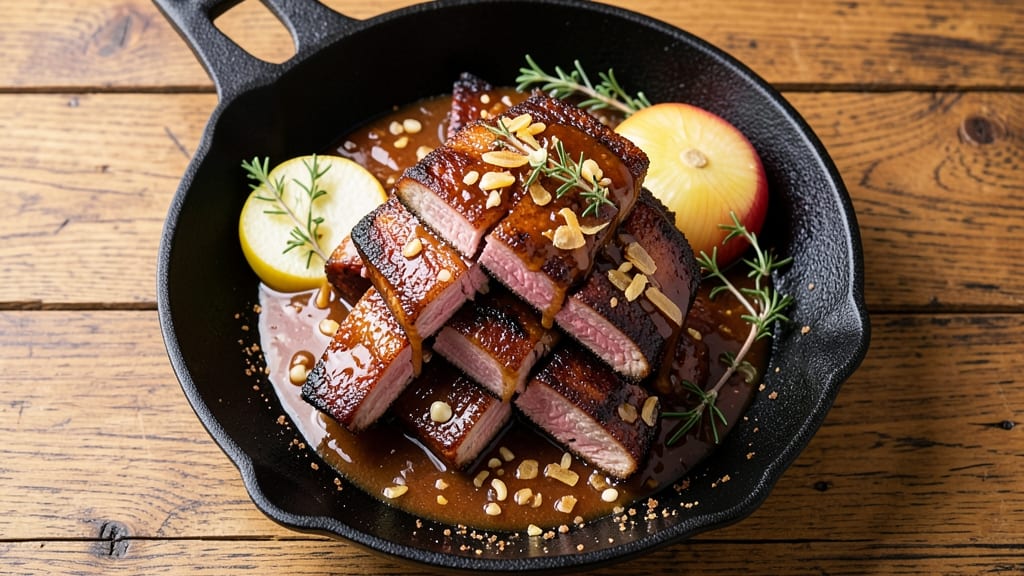
This apple juice ribs recipe transforms tough pork into fall-off-the-bone tenderness with a caramelized glaze that’s both sweet and smoky. The secret lies in apple juice’s natural sugars and acidity, which tenderize the meat while creating that signature sticky, glossy finish.
I’ve perfected this method over years of backyard grilling, and it never fails to impress—even skeptical eaters. The process is straightforward but requires patience: ribs marinate overnight in a blend of apple juice, spices, and brown sugar, then slow-cook until they’re fork-tender.
The apple juice doesn’t just flavor the meat—it breaks down collagen, making every bite melt-in-your-mouth. The glaze, reduced from the marinade, caramelizes into a glossy coat that clings perfectly to the ribs.
By the time you’re done, you’ll have ribs that are juicy, sweet, and sticky—the kind that disappear from the table faster than you can say “second helping.”
The aroma alone will have everyone gathering around the grill, and the flavor balance of smoky, tangy, and caramelized is hard to resist. Serve with classic sides like coleslaw or baked beans to round out the meal.
This recipe delivers restaurant-quality results with minimal effort, proving that great ribs don’t require complicated techniques—just the right ingredients and a little time.
Ingredients for apple juice ribs
Four pounds of ribs and a few pantry staples—this is all you need for ribs that’ll have everyone begging for seconds.
| Ingredient | Amount | Notes |
|---|---|---|
| Pork Baby Back Ribs 🥓 | 4 lb | Bone-in, meaty ends preferred |
| Unsweetened Apple Juice 🍎 | 2 cups | Cloudy preferred for flavor |
| Brown Sugar 🍚 | ½ cup | Packed, light or dark |
| Yellow Onion 🧅 | 1 whole | Chopped into 1/2-inch pieces |
| Garlic Cloves 🧄 | 6 cloves | Minced for marinade |
| Apple Cider Vinegar 🍶 | ¼ cup | For tangy depth |
| Smoked Paprika 🌶️ | 1 tbsp | For smoky flavor |
| Ground Black Pepper 🌶️ | 1 tbsp | Freshly cracked |
| Kosher Salt 🧂 | 1 ½ tbsp | Diamond Crystal preferred |
| Honey 🍯 | ¼ cup | Wildflower for depth |
| Wooden BBQ Skewers 🔥 | 4 whole | Soaked 30 minutes |
| Fresh Thyme Leaves 🌿 | ¼ cup | Chopped, stems removed |
| Wood Chips (Hickory or Apple) 🌳 | 1 package | For smoker/grill |
| Butter 🧈 | 2 tbsp | Unsalted, for finishing |
The ribs are the star, so grab the meaty ends—they’re where all the flavor happens. Costco or your local butcher usually has the best cuts. Look for ribs with good marbling (that white fat streaked through the meat)—it means juicier results. I always buy a few extra pounds if I’m feeding a crowd, because ribs shrink as they cook. For the apple juice, grab the cloudy kind—it’s got more flavor than the clear stuff. Mott’s or Tree Top are solid choices, but any unsweetened works. The brown sugar should be packed, not scooped—trust me on this.
No apple cider vinegar? White vinegar or lemon juice work in a pinch, but you’ll lose some depth. The honey can be swapped for maple syrup if you’re avoiding it, though it’ll taste slightly different. Running short on thyme? Dried thyme at one-third the amount gets you close. For the wood chips, hickory gives classic BBQ smoke, but apple wood pairs perfectly with the juice. If you can’t find apple wood, cherry or pecan are great alternatives. The butter at the end is non-negotiable—it adds richness that nothing else can match.
Marinate the ribs overnight in the fridge—24 hours max, or they’ll get mushy. The glaze keeps for 5 days in the fridge, so make extra if you’re planning leftovers. Ribs reheat beautifully—just wrap them in foil with a splash of apple juice and warm in the oven at 300°F for 20 minutes. For the wood chips, soak them in water for 30 minutes before using—this makes them last longer and smoke better. Store any leftover glaze in a jar in the fridge, and use it for drizzling over toast or even as a marinade for chicken.
Why You'll Love This Recipe
- One-Pan Magic: The ribs, onion, and garlic all go in the same pan—no fancy tools, no stress. Just toss everything on a sheet, let the oven do the work, and walk away while the apple juice caramelizes into something unreal.
- Sweet-Savory Balance: That first bite? Crispy edges with fall-off-the-bone meat, kissed by the tangy-sweet apple juice and just enough brown sugar to make it dangerously good. Honestly, I’ve never met a dry rib in my life with this method.
- Weeknight Hero: Between us, this is the recipe I pull out when I’m too tired to think. The prep takes less time than ordering takeout, and the flavor hits harder than any delivery ever could. (Yes, even on a Tuesday night.)
- Leftovers You’ll Crave: The ribs stay tender for days, and the sauce only gets better when reheated—thick, sticky, and packed with that deep caramelized flavor. I’ve sent these to work lunches, and coworkers always ask for the recipe.
Step-by-step instructions for apple juice ribs
Here's how to transform tough ribs into fall-off-the-bone tenderness with a sticky-sweet glaze.
Prepare the Dry Rub and Marinate the Ribs
In a small bowl, combine the 1.5 tablespoons kosher salt, 1 tablespoon smoked paprika, 1 tablespoon ground black pepper, 0.5 cup packed brown sugar, 6 minced garlic cloves, and 0.25 cup chopped fresh thyme leaves. Mix until evenly distributed—this is your flavor bomb. Pat the 4 lb pork baby back ribs dry with paper towels (moisture is the enemy of crispy bark), then generously coat both sides with the rub. Press it in firmly so it sticks.
Place the ribs in a large resealable bag and add 2 cups unsweetened apple juice and 0.25 cup apple cider vinegar. Seal the bag and massage the marinade into the meat, ensuring every crevice gets coated. Let them marinate in the refrigerator for at least 4 hours (overnight is even better)—this tenderizes the meat and infuses it with that signature apple tang. Real talk: don't skip this step, or you'll miss out on maximum flavor penetration.
Build the Glaze and Prep the Skewers
While the ribs marinate, prepare the glaze by combining 0.25 cup honey, 0.25 cup apple cider vinegar, and 2 tablespoons unsalted butter in a saucepan over medium heat. Stir until the butter melts completely, then whisk in 0.5 cup packed brown sugar and bring to a gentle simmer. Let it reduce for 5-7 minutes until it thickens slightly and coats the back of a spoon—this is your caramelized masterpiece. Remove from heat and set aside.
Soak the 4 wooden BBQ skewers in water for at least 30 minutes to prevent burning during grilling. This is non-negotiable; dry skewers will char before the ribs cook through. While they soak, preheat your smoker or grill to 225°F using the 1 package wood chips (hickory or apple). The smoke should be thin and blue—thick white smoke means it's too wet and won't flavor properly.
Smoke the Ribs Low and Slow
Remove the ribs from the marinade (reserve the liquid for later) and let them sit at room temperature for 15 minutes before cooking. Thread the ribs onto the soaked skewers, arranging them bone-side down if possible for even heat distribution. Place them on the smoker grates and close the lid. Here's the thing—this is where patience pays off. Smoke the ribs undisturbed for 2.5 to 3 hours, maintaining a temperature between 225-250°F. You'll know they're ready when the internal temperature reaches 195-203°F and the meat pulls away from the bones with minimal resistance.
About 45 minutes into cooking, brush the ribs with half of the prepared glaze. This creates that signature sticky exterior while keeping the meat moist. Repeat this every 45 minutes until they're done. If the glaze thickens too much, thin it with a splash of the reserved apple juice marinade. The ribs should have a deep mahogany color and a glossy sheen when finished.
Finish with Butter and Rest
Once the ribs reach the proper internal temperature, remove them from the smoker and let them rest on a cutting board for 10 minutes. This resting period is crucial—it allows the juices to redistribute, preventing them from running out when you slice. While they rest, melt the remaining 2 tablespoons butter in a small saucepan over low heat, then whisk in 2 tablespoons of the reserved apple juice marinade. Simmer for 1 minute until slightly thickened.
Brush this buttery finish over the ribs just before serving. The butter adds richness and helps create that glossy, sticky exterior we're after. Slice the ribs between the bones and serve immediately with the extra glaze spooned over the top. Each bite should deliver tender meat, smoky depth, and that perfect balance of sweet and tangy apple flavor. Trust me, this is the moment that matters—don't rush it.
Pro Tips For Making Apple Juice Ribs
- Trim the Fat First: Baby back ribs have a thick fat cap that can make the bark uneven and the meat greasy. Grab kitchen shears and trim it down to about ¼-inch—it’ll crisp faster and let the apple juice glaze stick better. (Yes, even if you’re impatient like me, this step saves cleanup time later.)
- Reduce the Juice Early: Don’t pour that whole bottle of apple juice in at once. Simmer half of it in a saucepan until it’s reduced by a third—it’ll deepen the flavor and give your ribs a glossier, stickier glaze. I learned this the hard way when my first batch tasted watery.
- Skip the Boil Test: The "float test" for doneness is overrated with these ribs. Instead, probe the meat near the bone—it should slide out like butter. If it’s still holding, wrap them in foil with a splash of apple juice and let them rest 10 minutes. (Your thermometer should hit 195°F, but I don’t always trust mine.)
- Caramelize the Onion: Don’t just chop the onion—cook it until it’s deep golden, almost jammy, before adding garlic. That extra step turns a simple onion from background player to flavor star. Sounds weird, but it works: the caramelized bits melt into the ribs’ bark and add sweetness without extra sugar.
Perfect pairings for these flavors
Classic Side Pairings
Serve your apple juice ribs with creamy coleslaw—the cool crunch balances the ribs' richness perfectly. I make mine with shredded cabbage, mayo, apple cider vinegar, and a pinch of celery seed for a tangy bite.
Another crowd-pleaser is baked beans with a splash of apple juice in the sauce—it deepens the flavor and ties into the main dish. 🥗
Beverage Pairings
A crisp American pale ale like Dogfish Head 60 Minute IPA complements the smoky-sweet ribs beautifully. The hoppy bitterness cuts through the glaze's stickiness while the malt sweetness enhances the apple notes. For non-alcoholic options, try sparkling apple cider—its effervescence cleanses the palate between bites. 🍺
Garnish and Finishing Touches
Just before serving, sprinkle the ribs with chopped fresh thyme and a pinch of flaky sea salt to brighten the flavors. A drizzle of extra glaze right before plating adds that restaurant-quality shine.
For a pop of color, scatter pickled red onions on the plate—they add a sharp contrast to the sweet ribs. ✨
Make-Ahead Glaze
Make the glaze 2 days ahead—it actually tastes better as the flavors meld. Store it in an airtight container in the fridge and reheat gently before using. I often double the batch to use on grilled chicken or pork chops later in the week.
The reduced sugars caramelize even more over time, intensifying the flavor. 💡
Regional Variations
In the South, add a dash of hot sauce to the glaze for a sweet-and-spicy kick. Up North, try swapping honey for maple syrup to lean into fall flavors.
For a Caribbean twist, add pineapple juice to the marinade—it adds tropical brightness that pairs surprisingly well with smoky ribs. 🗺️
Leftovers Reinvented
Shred leftover ribs and use them in tacos with a mango-avocado salsa for a fresh contrast. Or chop them into ribs and rice bowls with cilantro-lime rice and black beans. The apple juice marinade's tang works wonders in these dishes too—it keeps the flavors vibrant. 🌟
Nutrition facts
Frequently asked questions
Can I use store-bought apple juice or do I need fresh?
Store-bought unsweetened apple juice works perfectly—just opt for the cloudy variety for more flavor depth. Fresh apple juice can be used, but it requires straining and may alter the glaze's consistency. The recipe is designed for convenience, so no need to press apples!
How do I know when the ribs are fully cooked?
Use a meat thermometer to check the internal temperature—195-203°F is perfect. The meat should pull away from the bones with slight resistance, and the bark should be dark mahogany. If they're not tender enough, keep them wrapped in foil at 225°F for another 30 minutes.
What if I don't have a smoker?
No problem! Use an oven set to 225°F with a water pan on the bottom rack. Place ribs on a foil-lined tray and cover tightly with foil. Baste with glaze every 45 minutes, adding 15 minutes to the total cooking time. A grill with indirect heat works too—just move ribs to the cooler side.
Can I make this recipe with beef ribs instead?
While pork baby back ribs are ideal, beef ribs can work with adjustments. Increase cooking time to 4-5 hours and use 25% more glaze since beef has less fat. The apple juice marinade will still tenderize, but beef's tougher connective tissue needs extra time to break down.
Why did my glaze turn out too runny?
This usually happens if you didn't reduce it long enough or used too much apple juice. Simmer the glaze for 10-15 extra minutes to thicken, or stir in 1 tablespoon cornstarch mixed with water until it coats the back of a spoon. For next time, reduce heat to low to prevent splattering.