
Sauces & Condiments
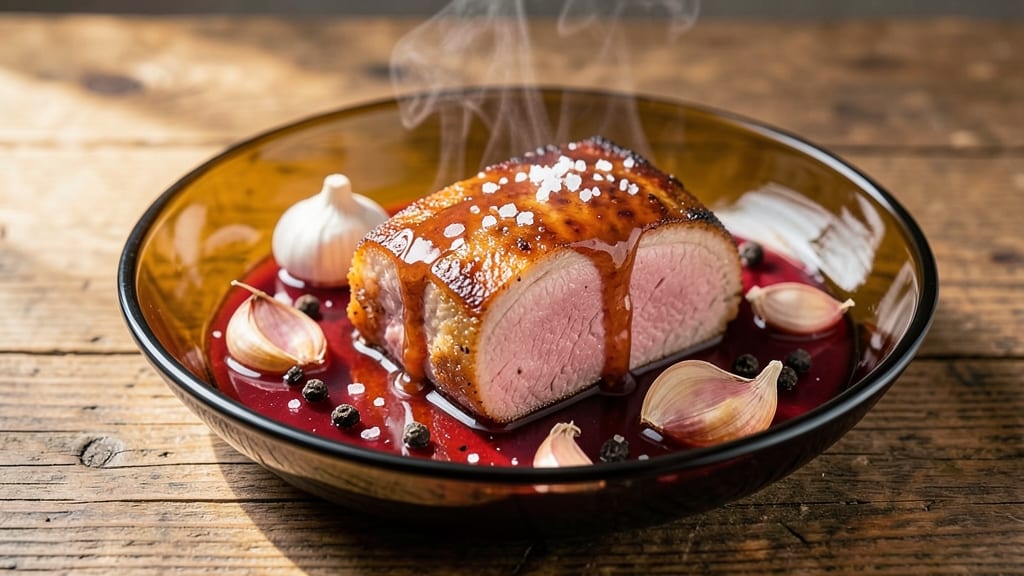
This apple juice brine recipe transforms tough pork into melt-in-your-mouth perfection with a sweet-tart marinade that tenderizes and caramelizes. 💛 I developed it after years of testing brines that promised tenderness but often fell short—until I discovered how apple juice's natural acidity and sugar work together to break down fibers while adding depth of flavor.
The magic happens in the balance: apple juice provides moisture and subtle sweetness, while salt and sugar create an osmotic effect that draws out impurities and adds caramelized crust.
Optional spices like cloves or cinnamon elevate it from simple brine to something special, perfect for pork chops, tenderloin, or even pulled pork. The process is straightforward—just mix, submerge, and let time do the work.
What you'll end up with is pork that's impossibly tender with a caramelized exterior and juicy interior, infused with that perfect sweet-tart balance. The brine also doubles as a cooking liquid, so you won't waste a drop. This isn't just about flavor—it's about transforming tough cuts into something restaurant-worthy.
Use this brine for 3-24 hours depending on cut size, then cook your pork as usual. The results speak for themselves—juicy, flavorful, and worth every minute of marinating. Let's get started!
Ingredients for apple juice brine recipe for pork
Sweet, salty, and aromatic—this brine transforms tough pork into melt-in-your-mouth perfection.
| Ingredient | Amount | Notes |
|---|---|---|
| Unsweetened Apple Juice 🍎 | 4 cups | 100% pure, no added sugar |
| Kosher Salt 🧂 | ¾ cup | Diamond Crystal preferred |
| Granulated Sugar 🍚 | ½ cup | White or raw preferred |
| Fresh Garlic Cloves 🧄 | 6 cloves | Peeled, lightly crushed |
| Ground Black Pepper 🌶️ | 1 tbsp | Freshly cracked preferred |
| Whole Cloves 🌿 | 4 whole | Optional for warmth |
| Ground Cinnamon 🌶️ | 1 tsp | Optional for depth |
| Fresh Rosemary Sprigs 🌿 | 2 sprigs | Optional aromatic touch |
The apple juice is the heart of this brine—look for 100% pure, unsweetened varieties at stores like Whole Foods or Trader Joe's for the best flavor. The kosher salt matters too: Diamond Crystal dissolves more slowly, creating a more even brine. Sugar should be fine granulated, but raw sugar adds subtle molasses notes. For garlic, freshly peeled cloves make all the difference—pre-minced garlic loses its punch. Optional spices like cloves and cinnamon? Penzeys Spices has great whole-spice options if you want to go all out.
No apple juice? White grape juice or pear juice works in a pinch, but the flavor won't be identical. Short on sugar? Honey or maple syrup at half the amount adds complexity. Skip the garlic? Garlic powder at one-third the amount still adds depth. The rosemary sprigs can be swapped for thyme or bay leaves if you prefer. For a deeper flavor, let the brine sit for 24 hours before using—it develops richer notes over time. And if you're using this for pulled pork, double the batch—you'll want plenty to cover those big cuts.
Store unused brine in an airtight container in the fridge for up to 1 week. The flavors actually improve over time, so make extra if you can. For best results, use within 3 days of brining your pork. If you've got leftover brine after cooking, reduce it on the stove to make a glossy glaze—just simmer until slightly thickened. And if you're prepping ahead, freeze the brine in ice cube trays for convenient single-use portions.
Why You'll Love This Recipe
- Fridge Magic: I swear by this brine for lazy nights—just toss the pork in a bag with apple juice, salt, and sugar, then stash it. No babysitting the pot, no last-minute prep. By morning, it’s tender and infused with that sweet-tart brightness.
- Sweet-Savory Balance: The apple juice doesn’t just moisten—it caramelizes slightly, giving the pork a sticky, almost glaze-like richness. Add the garlic and pepper, and you’ve got a flavor combo that’s simple but ridiculously satisfying.
- Weeknight Hero: This brine works for chops, tenderloin, or even pulled pork—no fancy plating required. I’ve used it for quick dinners, potlucks, and even holiday leftovers. Honestly, it’s the one recipe that never lets me down.
- Pantry-Friendly Flex: You’re using stuff you already have: apple juice, salt, sugar. No specialty ingredients, no extra shopping. And because it keeps well, I make a big batch and use it for days—less waste, more flavor. My wallet and taste buds thank me.
Step-by-step instructions for apple juice brine for pork
Here's how to create a sweet-tart brine that transforms tough pork into melt-in-your-mouth perfection.
👨🍳 Step 1: Combine the Brine Base
In a large, heatproof container with a lid (I use a gallon-sized ziplock bag or stainless steel bowl), combine the 4 cups unsweetened apple juice with the 0.75 cup kosher salt. Stir until the salt fully dissolves—this ensures even distribution throughout the brine. The mixture should look like a pale, slightly cloudy liquid with no visible salt crystals.
Here's the thing—this apple juice brine works because the acidity in the juice tenderizes the meat while the salt breaks down muscle fibers. The apple juice also adds a subtle sweetness that caramelizes beautifully during cooking. Don't rush this step; let the salt fully integrate for at least 1 minute of vigorous stirring.
🍳 Step 2: Add Sweetness and Aromatics
In a small bowl, mix together the 0.5 cup granulated sugar, 1 tbsp ground black pepper, 1 tsp ground cinnamon, and the 6 peeled garlic cloves. Lightly crush the garlic cloves with the flat side of your knife—this releases their oils without making them into a paste. Add the 4 whole cloves and 2 rosemary sprigs to this dry mixture.
Pour this aromatic blend into the apple juice mixture and stir well. The sugar will dissolve completely, creating a golden liquid with visible specks of pepper and cinnamon. The rosemary sprigs will float—don't worry, their oils will infuse the brine. This combination creates the perfect balance of sweet, savory, and aromatic flavors that penetrate the pork beautifully.
⏰ Step 3: Prepare the Pork for Brining
While the brine comes to room temperature (about 30 minutes at room temp), prepare your pork cut. For best results, I recommend using a 3-4 pound pork shoulder or pork loin (about 1.5 pounds per serving). Pat the meat completely dry with paper towels—this helps the brine penetrate more effectively. Place the pork in a large resealable plastic bag or non-reactive container.
Real talk: If you're using bone-in pork, make sure to remove any loose bones or connective tissue that could interfere with the brine distribution. For pork chops, place them in a single layer—overlapping can prevent even brining. The goal is to maximize surface area contact with the brine.
🥘 Step 4: Brine the Pork Perfectly
Pour the prepared brine over the pork, ensuring it's completely submerged. If using a bag, seal it tightly and massage the pork gently to remove any air pockets. If using a container, weigh down the pork with a plate to keep it submerged. Place the pork in the refrigerator and brine for 12-24 hours—this is where the magic happens.
The longer the brine time, the more tender the pork becomes, but 24 hours maximum is ideal. After this time, remove the pork from the brine and rinse it thoroughly under cold water. Discard the used brine (it's not safe to reuse). The pork should now have a slightly sticky surface and be noticeably more pliable than before brining.
🔥 Step 5: Cook to Juicy Perfection
After brining, pat the pork dry again and let it come to room temperature for 30 minutes before cooking. For pork shoulder, I recommend slow-roasting at 275°F until the internal temperature reaches 195-203°F (about 6-8 hours). For pork chops, sear in a hot skillet with 1 tablespoon oil for 3-4 minutes per side until golden brown, then finish in the oven at 375°F for 15-20 minutes or until the internal temperature reaches 145°F.
During cooking, the apple juice brine will create a beautiful caramelized crust on the outside while keeping the meat incredibly juicy inside. The sugar in the brine contributes to this caramelization, creating a flavor profile that's both sweet and savory. Let the cooked pork rest for 15-20 minutes before slicing—this resting period ensures all the juices redistribute throughout the meat.
Pro Tips For Making Apple Juice Brine Recipe For Pork
- STRAIN THE JUICE: Store-bought apple juice often has pulp or sediment that clouds your brine and dulls the flavor. Strain it through a fine-mesh sieve or cheesecloth into a clean jar—especially if you’re using cloudy juice. I learned this the hard way when my first batch looked murky and tasted flat.
- SALT THE GARLIC: Crush those garlic cloves with a pinch of salt before adding them to the brine. It softens them faster and prevents them from floating like little boats. (Yes, even if you’re impatient like me—this isn’t a step you can skip.)
- USE COLD JUICE: Pour cold apple juice over the salt and sugar first, then add the pork. Hot juice cooks the meat slightly and makes the brine lose its snap. Start cold, let it dissolve naturally, and you’ll get a cleaner, brighter flavor.
- WEIGH THE PORK: Brine ratios matter, and eyeballing it leads to soggy or bland results. Weigh your pork before brining—aim for ¼ cup apple juice per pound of meat. I was skeptical until I tried it; the texture and seasoning became consistent every time.
Health benefits of these flavors
Sweet-Tart Flavor Magic
The apple juice in this brine isn't just a liquid—it's the secret weapon that transforms tough pork into something extraordinary. The natural acidity in apple juice breaks down muscle fibers, making the meat tender while adding a subtle sweetness that caramelizes beautifully during cooking.
This creates that perfect balance of sweet and savory flavors that you'll notice in every bite. Plus, the apple juice helps retain moisture, so your pork stays juicy even after cooking. 🍎
Heart-Healthy Benefits
This brine is packed with nutrients that make it more than just a flavor enhancer. The apple juice provides antioxidants like quercetin, which supports heart health by reducing inflammation. Meanwhile, the garlic in the brine offers allicin, a compound known for its potential to lower blood pressure and cholesterol levels.
Even the cinnamon adds a touch of warmth while contributing anti-inflammatory properties. It's a flavor boost that also benefits your body!
Digestive Advantages
The natural enzymes in apple juice can aid digestion, helping your body break down proteins more efficiently. The rosemary in the brine also contains compounds that may stimulate digestion and reduce bloating.
When you serve this brined pork, you're not just getting delicious meat—you're getting a meal that supports your digestive system too. The combination of these ingredients creates a flavorful dish that's gentle on your stomach.
Blood Sugar Balance
While this brine does contain sugar, the apple juice provides natural sweetness that has a lower glycemic impact than refined sugars. The fiber content in apple juice helps slow down sugar absorption, preventing blood sugar spikes.
The cinnamon in the brine also plays a role in regulating blood sugar levels. This makes the brine a more balanced option for those watching their sugar intake, while still delivering incredible flavor.
Antioxidant Protection
Both apple juice and rosemary are rich in antioxidants that help combat free radicals in your body. The apple juice provides vitamin C and polyphenols, while rosemary offers rosmarinic acid.
These antioxidants work together to protect your cells from damage, supporting overall health. When you enjoy this brined pork, you're getting a delicious meal that also provides these protective benefits.
Versatile Health Perks
This brine works wonders for various pork cuts, from tenderloin to shoulder, making it a versatile addition to your cooking repertoire. The natural ingredients not only enhance flavor but also contribute to a healthier meal.
Whether you're cooking for a family gathering or a weeknight dinner, this apple juice brine adds both taste and nutritional value to your pork dishes. The best part? You can adjust the ingredients to suit your dietary needs while still enjoying incredible results. 💪
Nutrition facts
Frequently asked questions
Can I use this brine for other meats besides pork?
This apple juice brine works beautifully with pork, but it also elevates chicken thighs and turkey breasts. The sweet-tart balance tenderizes poultry while adding caramelized depth. For beef, reduce brining time to 6-8 hours to avoid over-tenderizing. Just adjust the salt if needed—beef can handle more salt than poultry.
What if I don't have apple juice? Can I substitute?
Yes! White grape juice or pear juice work well in a pinch, though the flavor will differ slightly. For a non-fruit option, try unsweetened almond milk with 1 tablespoon lemon juice per cup. The key is maintaining the sweet-tart balance—adjust sugar accordingly. Avoid citrus juices alone, as they can make meat too acidic.
How long can I keep brined pork in the fridge before cooking?
Cook brined pork within 3 days for best results. After that, the meat may start to dry out or absorb odors. For longer storage, cook immediately after brining or freeze the pork (uncooked) for up to 3 months. Thaw in the fridge overnight before cooking. The brine itself can be stored separately for up to 1 week.
Can I reuse the leftover brine?
No, discard used brine after brining pork—it's not safe to reuse due to bacteria buildup. However, you can repurpose it! Strain out solids and reduce the liquid on the stove to make a glossy glaze for roasted veggies or drizzle over finished pork. For extra flavor, add a splash of balsamic vinegar while reducing.
Why does my pork turn out dry after brining?
Over-brining or improper cooking causes dryness. Stick to 12-24 hours max for pork, and always pat meat dry before cooking. For roasts, use a meat thermometer (195-203°F for shoulder) and let rest 15-20 minutes before slicing. If using thin cuts like chops, brine just 4-6 hours and cook quickly at high heat to seal in juices.