
Sauces & Condiments
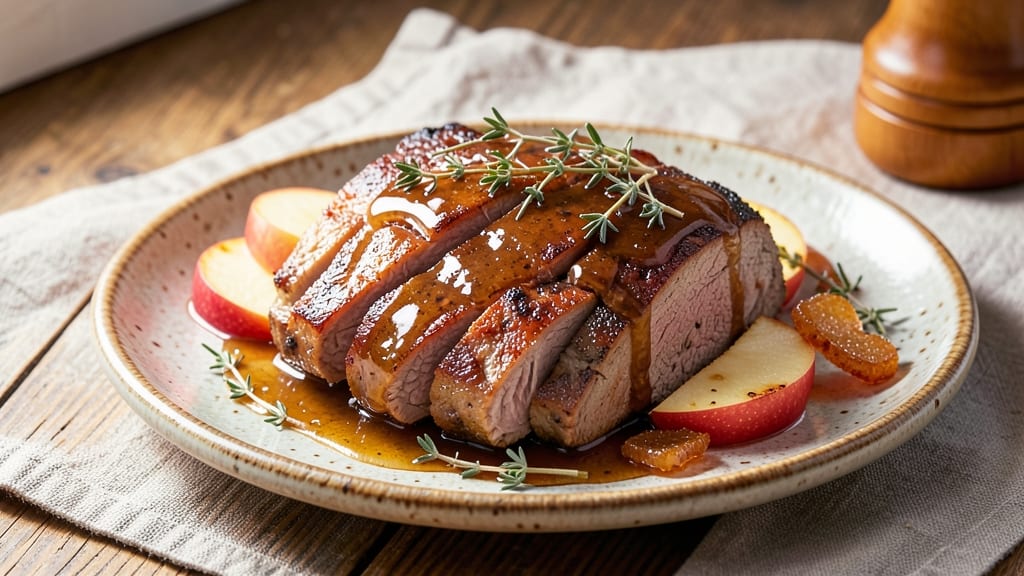
This apple glaze recipe for pork transforms simple roasted pork into a showstopper with caramelized sweetness that clings to every bite. 💛 The secret lies in simmering apple cider, brown sugar, and warm spices until thick and glossy—a process I perfected after years of testing what makes glazes truly irresistible.
Unlike store-bought versions, this homemade glaze develops deep, complex flavors that cut through rich pork perfectly.
The beauty of this recipe is its versatility—it works equally well for roasted pork tenderloin, pulled pork, or even grilled chops. The combination of tart apple cider and warm spices like cinnamon and cloves creates a balance that's both comforting and sophisticated.
What makes it special is how it caramelizes during cooking, creating pockets of sticky, sweet-savory goodness that disappear faster than you can say "second helping."
What you'll achieve is a glaze so rich and flavorful it elevates even the simplest pork dish to restaurant-quality status. The process is straightforward: simmer the ingredients until thickened, then brush generously over pork during the final minutes of cooking.
The result? A glossy, caramelized finish that's tender on the inside and perfectly browned on the outside.
This glaze also doubles as a fantastic dipping sauce or table condiment—just thicken it slightly longer if you prefer a more concentrated version. Perfect for holiday meals, weeknight dinners, or impressing guests, this recipe delivers professional results with minimal effort. Let's get started!
Ingredients for apple glaze recipe for pork
Nine ingredients, caramelized perfection—this glaze transforms pork into a restaurant-worthy centerpiece.
| Ingredient | Amount | Notes |
|---|---|---|
| Apple Cider 🍎 | 1 ½ cups | Unfiltered for deeper flavor |
| Light Brown Sugar 🍚 | ¾ cup | Packed firmly for accuracy |
| Unsalted Butter 🧈 | 2 tbsp | Cold, cubed for easier mixing |
| Fresh Ginger 🌿 | 1 tbsp | Finely grated, aromatic |
| Ground Cinnamon 🌶️ | 1 tsp | Freshly ground for warmth |
| Ground Cloves 🌶️ | ¼ tsp | Whole cloves crushed lightly |
| Apple Cider Vinegar 🍋 | 1 tbsp | For tangy balance |
| Diamond Crystal Kosher Salt 🧂 | ¼ tsp | For seasoning balance |
| Granulated Sugar 🍚 | 1 tbsp | For final glaze consistency |
The foundation starts with unfiltered apple cider—its natural depth of flavor is unmatched. Local orchard brands or store-bought organic cider work best, as they retain more complexity than filtered versions. For the brown sugar, Domino brand packs consistently, but any light brown sugar will do. The butter should be cold and cubed—this prevents premature melting during the simmer. Fresh ginger is non-negotiable here; the aromatic oils are far superior to powdered versions. Whole Foods or Asian markets often carry the freshest root. Cloves should be lightly crushed in a mortar or spice grinder to release their oils without becoming bitter.
No apple cider? Unsweetened apple juice works in a pinch, though it lacks the tangy depth. Substitute powdered ginger at half the amount if fresh isn't available, but the flavor won't be identical. For a deeper caramelization, add 1 tbsp molasses to the mix. The vinegar can be swapped for lemon juice if preferred, though apple cider vinegar's subtle sweetness is ideal. If you're using a different brand of kosher salt (like Morton), reduce to 0.2 tsp—Diamond Crystal is finer and more potent. For a thicker glaze, increase the granulated sugar to 2 tbsp during the final reduction stage.
This glaze develops best when made fresh, but it keeps beautifully in the fridge for up to 1 week in an airtight container. For longer storage, freeze in ice cube trays—thaw and reheat gently before use. The glaze thickens as it cools, so always reheat with 1 tsp water or apple cider to restore its glossy consistency. Brush generously over pork during the last 10 minutes of cooking for optimal caramelization. Any leftovers make an excellent dipping sauce for roasted vegetables or chicken—just thin with a splash of warm water if needed.
Why You'll Love This Recipe
- Pantry Magic: I swear by this glaze—no fancy shopping required. The pantry already has apple cider and brown sugar, and that jar of cinnamon you forgot about? Perfect. Honestly, I’ve made this with whatever apples were on sale, and it still works.
- Caramel-Kissed Crunch: That butter and brown sugar combo? It’s dangerously good. The glaze caramelizes just enough to coat every bite, while the ginger and cinnamon add this warm, spicy punch. I’ll be real: the first time I tasted it, I immediately texted my mom to make more.
- Weeknight & Holiday: Same recipe, different vibes. Weeknights? Toss it on pork chops or roasted pork tenderloin for dinner. Holiday feast? Slather it on a whole roasted pork shoulder—it’s the star. My in-laws think I’m a genius, but it’s really just 20 minutes of simmering.
- Leftovers That Don’t Suck: This glaze actually improves the next day. I keep a jar in the fridge and drizzle it over breakfast toast or toss it with leftover pork and rice for a quick lunch. Not the prettiest, but the taste makes up for it—plus, it cuts grocery costs by stretching one pork roast into three meals.
Step-by-step instructions for crafting apple glaze for pork
This glaze delivers perfect balance—deep apple flavor with just the right caramelized sweetness.
🍳 Step 1: Melt Butter and Brown Sugar for the Base
In a medium saucepan, combine the 2 tbsp unsalted butter and 0.75 cup light brown sugar. Place over medium heat and stir constantly with a wooden spoon until the butter melts completely and the sugar begins to dissolve. You'll notice the mixture turning into a smooth, golden liquid—this is your flavor foundation.
Let it cook for 3-4 minutes until the sugar starts to caramelize slightly around the edges. This step develops that rich, molasses-like depth that makes this glaze so special. Watch carefully—if it darkens too quickly, reduce the heat to low to prevent burning. The sugar should be fully incorporated without any graininess remaining.
🍳 Step 2: Build Flavor with Apple Cider and Spices
Pour in the 1.5 cups apple cider and 1 tbsp apple cider vinegar. Stir well to combine, then add the 1 tbsp finely grated fresh ginger, 1 tsp ground cinnamon, and 0.25 tsp ground cloves. Increase heat to medium-high and bring the mixture to a gentle boil.
Once boiling, reduce heat to medium and let it simmer vigorously for 10-12 minutes. You'll see the liquid reduce dramatically as the alcohol evaporates and the flavors intensify. The glaze should thicken noticeably, coating the back of a spoon. This is where the magic happens—the spices bloom and the apple flavor concentrates into something truly aromatic.
🔥 Step 3: Refine the Texture with Salt and Final Sugar
Stir in the 0.25 tsp diamond crystal kosher salt and 1 tbsp granulated sugar. The salt balances the sweetness while the granulated sugar helps create that perfect glossy finish. Let the mixture simmer for another 5 minutes until it reaches a syrupy consistency—it should coat the back of a spoon but still flow smoothly.
For the final test, take a small spoonful and place it on a chilled plate. If it holds its shape but still glistens, it's ready. If it's too thin, simmer another 2-3 minutes to thicken. This glaze should be sticky enough to cling beautifully to pork but still pourable for easy application. Remove from heat immediately to prevent over-reducing.
⏰ Step 4: Cool and Prepare for Application
Transfer the glaze to a heatproof bowl and let it cool at room temperature for 10-15 minutes. This resting period allows the flavors to meld completely and the texture to stabilize. The glaze will thicken slightly as it cools—this is normal and actually improves its clinging properties.
Before using, give it one final stir to ensure even consistency. The cooled glaze should be thick enough to drip slowly but still spreadable with a brush. This is your signal that it's ready to elevate any pork dish—whether you're brushing it on during roasting or drizzling it over finished meat. The aroma alone will have your guests anticipating that perfect sweet-savory balance.
Pro Tips For Making Apple Glaze Recipe For Pork
- Simmer Slowly: Start with a steady simmer—not a rolling boil—when combining apple cider, sugar, and butter. I learned this the hard way: boiling too fast burns the sugar and turns your glaze into a bitter, grainy mess. Keep it at a gentle bubble, and you’ll end up with a silky, caramelized sauce that actually coats the pork.
- Grate That Ginger: Skip the pre-minced ginger from the jar—it’s overpriced and often waterlogged. Freshly grating a 1-inch piece (about 1 tablespoon) releases more flavor and aroma. Toss it straight into the pan with the apple cider; it’ll mellow into the sauce without any weird texture.
- Strain the Glaze: After simmering, the cinnamon and ginger can leave behind gritty bits that ruin the smoothness of your glaze. Line a fine-mesh strainer with cheesecloth (or a coffee filter in a pinch) and pour the sauce through. It takes 30 seconds, and your finished glaze will look restaurant-worthy.
- Butter First, Then Sugar: Melt the butter in the pan before adding the brown sugar. Sugar burns like a jerk when it hits hot metal, and starting with butter creates a protective layer. Stir constantly for the first 2 minutes—yes, even if you’re impatient like me—until the sugar dissolves completely. This avoids those unsightly sugar crystals at the bottom.
Essential equipment for apple glaze recipe for pork
Saucepan Essentials
For this glaze, I swear by my 3-quart stainless steel saucepan—it's the workhorse of my kitchen and handles the heat beautifully without warping. The Calphalon Classic Stainless Steel Saucepan is my go-to brand because it distributes heat evenly, preventing hot spots that can burn your glaze.
If you're on a budget, a Cuisinart MultiClad Pro is another fantastic option that won't break the bank. 🔥
Always use a saucepan with a heavy-bottom—this prevents temperature fluctuations that can cause your glaze to seize up or burn. A light aluminum pan will work in a pinch, but you'll need to monitor it more closely.
I've made this glaze in my trusty Le Creuset Dutch oven too, though it's overkill for just a sauce—save that for your pork roasting!
Heat Control Tools
A kitchen thermometer is non-negotiable for this recipe. I use a Thermoworks ThermoPop to monitor my stove's actual temperature—many stoves run hotter or cooler than their settings suggest.
This helps me maintain that medium heat consistently for even caramelization. Without one, you risk burning the glaze or undercooking the flavors. 🌡️
For stirring, grab a wooden spoon—metal utensils can scratch your saucepan and introduce unwanted flavors. A silicone spatula works too, but I prefer wood for its gentle heat conduction.
My Oxo Good Grips wooden spoon has been with me through countless batches, and the ergonomic handle prevents wrist strain during long simmering sessions.
Precision Measuring
Accurate measurements are crucial for this glaze's balance. I recommend using a digital kitchen scale for the brown sugar—it packs differently, and volume measurements can vary wildly. A OXO Good Grips scale is my favorite for its precision and durability.
For spices like cinnamon and cloves, a small measuring spoon set ensures you don't overdo it—too much spice can make the glaze bitter.
When measuring apple cider, use a liquid measuring cup with clear markings. The Pyrex Precision Measuring Cup is my top pick—it's heat-resistant and shows measurements clearly. Never eyeball liquids in this recipe; precise ratios are what create that perfect sweet-tart balance.
A splash too much vinegar or too little sugar can throw off the entire glaze.
Cooling and Storage
For cooling the glaze, I transfer it to a heatproof glass bowl—glass won't retain heat like metal and allows me to monitor the texture as it thickens. My Pyrex Simply Stored bowl is perfect for this.
If you're short on bowls, a stainless steel mixing bowl works too, but watch for condensation that can dilute your glaze.
For storage, I use amber glass jars with airtight lids—they protect the glaze from light while maintaining its freshness. The Le Parfait brand is my favorite for their wide mouths that make pouring easy.
If you don't have glass jars, BPA-free plastic containers work in a pinch, though they won't preserve the glaze as long. Label everything—trust me, you'll thank yourself next holiday season when you're rummaging through your pantry! ❄️
Nutrition facts
Frequently asked questions
Can I use apple juice instead of apple cider for this glaze?
You can substitute apple juice, but the flavor will be milder and less complex. Apple cider contains natural sugars and a slight tang from fermentation that deepens the glaze's caramelization. For best results, use unsweetened apple juice and add an extra 1 tbsp apple cider vinegar to compensate for the missing acidity.
How do I prevent the glaze from burning while simmering?
Watch the heat closely and stir frequently to prevent burning. Use a medium heat setting and reduce to low if you see the edges darkening too quickly. A heavy-bottomed saucepan helps distribute heat evenly. If it starts to scorch, immediately remove from heat and stir in 1 tsp water to cool the mixture.
Can I make this glaze ahead of time?
This glaze actually improves when made a day ahead. Store it in an airtight container in the refrigerator for up to 5 days. Before using, reheat gently in a saucepan over low heat, stirring occasionally, until it reaches a pourable consistency. You may need to add 1 tsp water or apple cider to restore its glossy texture.
What's the best way to apply the glaze to pork?
For maximum flavor impact, brush the glaze on during the last 10-15 minutes of cooking. Use a pastry brush for even coverage, focusing on all sides. For extra caramelization, baste the pork repeatedly with the glaze. If the glaze thickens too much while cooking, thin it slightly with 1 tsp water or apple cider before applying.
Can I adjust the sweetness level in this glaze?
Yes! Reduce the brown sugar to 0.5 cup for a less sweet version or increase to 1 cup for extra caramelized richness. For a tangier glaze, add 1 tsp lemon juice along with the vinegar. Always taste as you go—this glaze is incredibly forgiving, so small adjustments work beautifully.