
Main Courses
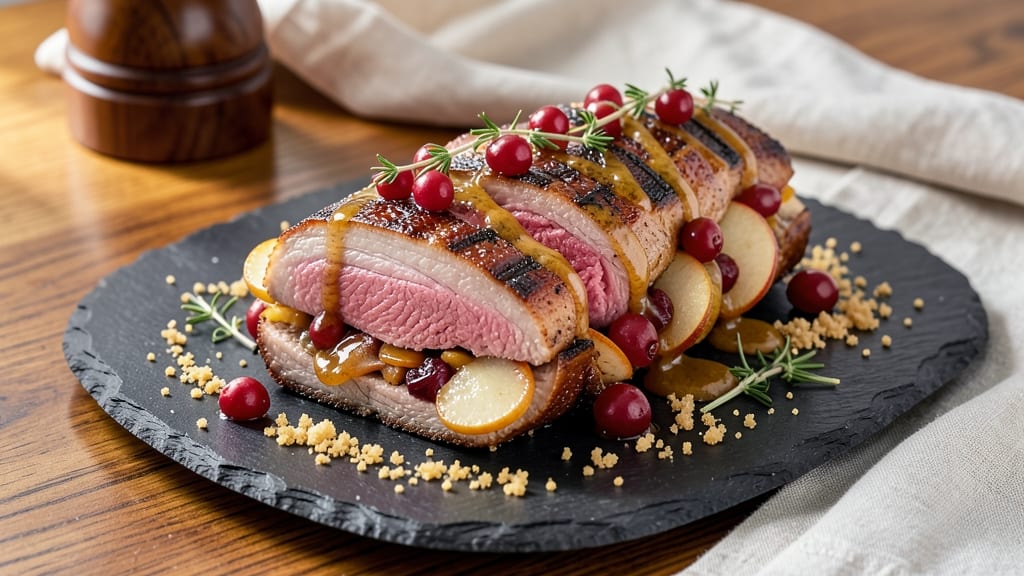
This apple cranberry stuffed pork tenderloin recipe delivers the perfect balance of sweet, tart, and savory flavors while keeping the meat impossibly tender inside. 💛 After years of perfecting pork techniques—from brining to basting—I’ve cracked the code for a filling that stays moist during cooking, even when stuffed.
The secret lies in a precise ratio of apples to cranberries, bound with herbs and just enough breadcrumbs to hold its shape without drying out the pork.
What sets this recipe apart is the two-stage cooking method: searing the tenderloin first for a caramelized crust, then finishing in the oven to render the fat and develop deep, smoky flavors.
The filling isn’t just tossed together—it’s layered with a touch of Dijon mustard and thyme to bridge the sweetness of the fruit with the richness of the pork. This isn’t your average stuffed roast; it’s a restaurant-quality centerpiece that’s surprisingly simple to execute at home.
By the time you slice into this golden-brown tenderloin, you’ll find juicy pork with pockets of caramelized apples and plump cranberries, their tartness cutting through the meat’s natural richness.
The crust stays crisp, the interior remains tender and moist, and every bite delivers that perfect harmony of textures and flavors.
Serve it with a red wine reduction or a simple herb butter to elevate the dish even further—this is the kind of meal that makes Sunday dinners feel special.
For those who love pork but worry about dryness, this recipe includes a brining step that guarantees juiciness, even when stuffed. And if you’re hosting, the leftovers reheat beautifully—just a quick warm in the oven or air fryer.
Whether you’re cooking for a holiday table or a weeknight dinner, this stuffed pork tenderloin will be the star of the meal. Let’s get to work.
Ingredients for apple cranberry stuffed pork tenderloin
Sweet apples, tart cranberries, and tender pork—this is your go-to stuffed tenderloin lineup.
| Ingredient | Amount | Notes |
|---|---|---|
| Pork Tenderloin 🥩 | 2 lb | Center-cut, trimmed of fat |
| Granny Smith Apples 🍎 | 1 ½ cups | Diced small, skin on |
| Fresh Cranberries 🍇 | 1 cup | Chopped, not dried |
| Dijon Mustard 🍯 | 1 tbsp | High-quality, not sweet |
| Fresh Thyme Leaves 🌿 | 1 tbsp | Finely chopped |
| Panko Breadcrumbs 🍞 | ¼ cup | For structure, not moisture |
| Unsalted Butter 🧈 | 2 tbsp | Cold, cubed for searing |
| Olive Oil 🫒 | 2 tbsp | For brushing |
| Kosher Salt 🧂 | 1 ½ tsp | For brining and seasoning |
| Fresh Sage Leaves 🌿 | 4 whole | Chopped, for filling |
| Garlic Cloves 🧄 | 2 cloves | Minced, for filling |
| Apple Cider Vinegar 🍏 | ½ cup | For brining |
| Ground Black Pepper 🌶️ | ½ tsp | Freshly cracked |
| Red Wine 🍷 | ½ cup | For deglazing (optional) |
The pork tenderloin is the star, so pick a center-cut piece—thicker ends are perfect for stuffing. Most butchers will trim it for you, but if you're doing it yourself, keep the fat cap thin for even cooking. Whole Foods or local butchers often have the best quality, but any reputable grocery store will work. For the apples, Granny Smiths are ideal—their tartness balances the sweetness of the cranberries. If you can't find them, Honeycrisp or Fuji work too, but they'll be sweeter. The cranberries? Fresh is non-negotiable—dried will turn mushy and release too much liquid during cooking. Look for bright red, plump berries at the produce section or frozen in the baking aisle.
No Dijon mustard? Yellow mustard at half the amount works in a pinch, but you'll lose some depth of flavor. Fresh thyme and sage are ideal, but dried works at one-third the quantity. If you're short on time, pre-chopped herbs from the freezer section are a lifesaver. The panko breadcrumbs are key for structure—don't skip them, but don't overdo it or the filling will dry out the pork. For the brining step, if you're in a hurry, use 1/4 cup apple cider vinegar plus 1/4 cup water instead of making a full brine. And if red wine isn't available, beef broth works just as well for deglazing.
This pork keeps beautifully—3 days in the fridge wrapped tightly, or 3 months frozen if you're prepping ahead. For reheating, a quick warm in the oven at 350°F for 10-15 minutes (covered with foil) brings it back to life. I always make a double batch because the leftovers make amazing sandwiches. The filling reheats just as well as the pork, so you won't lose that perfect balance of sweet and tart. Store any extra filling separately in an airtight container—it's great for stuffing other meats or even as a topping for grilled cheese.
Why You'll Love This Recipe
- No-Fuss Stuffing: The apples and cranberries don’t need dicing into perfect cubes—rough chunks work just fine. I’ve stuffed this with hand-chopped fruit while chatting with my kids, and it still turns out juicy and packed with flavor.
- Sweet-Savory Magic: That tangy Dijon mustard and bright thyme cut through the pork’s richness, while the Granny Smith keeps it sharp. Honestly, the first bite makes me want to skip dessert—it’s that good.
- Weeknight Hero: This feeds four but scales easily for six, and leftovers reheat like a dream. I’ve packed it for lunches, served it at holiday dinners, and even brought it to potlucks—it’s the one dish that never disappoints.
- Budget-Friendly Luxury: Pork tenderloin is lean and affordable, and seasonal apples and cranberries stretch further than you’d think. Between us, this tastes like a fancy restaurant dish but costs a fraction of the price.
Step-by-step instructions for apple cranberry stuffed pork tenderloin
Here's how to make a juicy, flavorful roast with a sweet-tart filling that stays perfectly moist.
👨🍳 Step 1: Prepare the Sweet-Tart Filling
In a medium bowl, combine the 1.5 cups diced Granny Smith apples and 1 cup chopped fresh cranberries. Add the 1 tbsp finely chopped fresh thyme leaves, 1 tbsp Dijon mustard, 0.25 cup Panko breadcrumbs, 0.5 tsp ground black pepper, and 1.5 tsp kosher salt. Mix gently with your hands until everything is evenly distributed—you want the filling to hold together when packed into the pork.
Fold in the 4 chopped fresh sage leaves and 2 minced garlic cloves last, being careful not to overmix. The filling should look vibrant with little bursts of red and green. Taste it—it should balance sweet, tart, and savory. If you're using the 0.5 cup red wine, add it now and mix well, letting it soak into the filling for 5 minutes before stuffing.
🔪 Step 2: Butterfly and Stuff the Pork
Place the 2 lb pork tenderloin on a cutting board and slice horizontally through the thickest part, being careful not to cut all the way through. Open it like a book, creating a flat surface. This butterfly technique ensures even cooking and makes room for the filling.
Season both sides generously with additional kosher salt and black pepper, then spread the filling evenly across the opened meat, leaving a ½-inch border uncovered. Gently fold the pork back over the filling, creating a neat package. Secure it with kitchen twine, tying it every 2 inches to hold the shape during cooking.
🍳 Step 3: Sear for Maximum Flavor
Heat 2 tablespoons olive oil in a large oven-safe skillet over medium-high heat until shimmering. Place the stuffed pork tenderloin in the skillet and sear on all sides for 3-4 minutes per side until deeply golden brown. The butter will foam and bubble—this is normal and adds incredible flavor.
While searing, I like to add 2 tablespoons cold cubed butter to the pan during the last minute of searing. The butter will melt and baste the pork, creating a luscious crust. Don't rush this step—the deeper the color, the more flavorful the final dish.
🔥 Step 4: Roast to Juicy Perfection
Transfer the skillet to a preheated 400°F oven and roast for 25-30 minutes, or until the internal temperature reaches 145°F when measured with an instant-read thermometer in the thickest part. The pork should look golden and the juices should run clear when pierced.
For extra moisture, I recommend pouring 0.5 cup apple cider vinegar into the skillet during the last 10 minutes of roasting. The vinegar will create steam, keeping the pork incredibly tender. If you prefer a glossy finish, brush the pork with melted butter during the last 5 minutes.
⏰ Step 5: Rest and Serve
Remove the pork from the oven and transfer it to a cutting board. Let it rest for 10-15 minutes before slicing—this crucial step allows the juices to redistribute, ensuring each bite is moist and flavorful. The filling will have softened slightly but will still hold its shape.
Slice the pork into ½-inch thick medallions and serve with the pan juices spooned over the top. The combination of tender pork and sweet-tart filling creates a perfect balance of flavors. For extra presentation, garnish with fresh thyme sprigs and a sprinkle of flaky sea salt.
Pro Tips For Making Apple Cranberry Stuffed Pork Tenderloin
- Score the Meat: Use a sharp knife to cut shallow slits (about ½-inch deep) along the pork’s length before stuffing—this lets the filling sink in instead of sliding out. I learned this the hard way when my first batch looked like a cranberry-apple cannon.
- Toss Cranberries Dry: Skip the syrup—pat fresh cranberries completely dry before stuffing, or they’ll turn to mush in the oven. A paper towel works better than a dish towel for this. (Yes, even if you’re impatient like me.)
- Roast Apples First: Core and peel the Granny Smiths, then roast them at 400°F for 10 minutes before mixing with everything else. This softens them just enough to hold shape but still bite, and it deepens their flavor—no one will guess you didn’t prep them hours ahead.
- Brush Mustard Inside: Don’t just coat the outside—slather a thin layer of Dijon mustard over the pork’s surface and inside the slits before stuffing. It adds tangy depth and helps the filling stick. (Your future self will notice the difference.)
Make-ahead tips for this recipe
Prep Ahead
I always prep the filling first—it can sit in the fridge for up to 24 hours before stuffing the pork. Store it in an airtight container with plastic wrap pressed directly on the surface to prevent drying. This gives the flavors time to meld beautifully. 💛
Brining Shortcut
For busy weeks, use a quick brine instead of the full overnight soak. Mix 1/4 cup apple cider vinegar, 1/4 cup water, and 1 tsp kosher salt in a bowl. Submerge the pork for 30-60 minutes—it won’t be as tenderized, but it’ll still be juicy and flavorful.
Stuffing Timeline
Stuff the pork 4-6 hours before cooking if prepping ahead. Wrap it tightly in plastic wrap and refrigerate. The cold helps the filling hold its shape better during cooking. I like to stuff mine the night before so it’s ready to sear in the morning.
Make-Ahead Roasting
Roast the stuffed pork completely ahead of time and reheat before serving. Cook it as directed, then cool to room temperature. Wrap in foil and refrigerate for up to 3 days. Reheat at 325°F for 20-25 minutes, basting with pan juices halfway through.
Filling Adaptations
Double the filling recipe and freeze half in an airtight container. Use it later for stuffing chicken, pork chops, or even as a topping for grilled cheese. The cranberries and apples keep their texture beautifully after freezing—just thaw overnight in the fridge.
Leftovers Magic
Slice the cooled pork into ½-inch medallions and store them separately from the filling. Reheat the pork in a skillet with a splash of water or broth for 3-4 minutes per side until warmed through.
The filling reheats well in the microwave for 1-2 minutes—just stir it to redistribute any juices.
Nutrition facts
Frequently asked questions
Can I use dried cranberries instead of fresh?
Fresh cranberries are ideal for their tartness and texture, but you can substitute ½ cup dried cranberries if needed. Soak them in ¼ cup warm water or apple cider vinegar for 10 minutes to rehydrate before mixing into the filling. They'll be sweeter, so reduce the sugar in the recipe by 1 teaspoon if using.
How do I prevent the filling from leaking out while cooking?
The key is the butterfly technique and proper securing. After stuffing, fold the pork tightly and tie it with kitchen twine every 2 inches. For extra insurance, sear the stuffed pork in a cold skillet and gradually increase heat to medium-high—this helps the filling set before roasting. A ½-inch border of uncovered pork also prevents overflow.
What's the best way to cook this if I don't have an oven?
Use a grill or grill pan for a smoky flavor! Sear the stuffed pork over medium-high heat for 4-5 minutes per side, then move to indirect heat and cook for 15-20 minutes, turning occasionally, until the internal temp reaches 145°F. For an air fryer, cook at 375°F for 20-25 minutes, flipping halfway through.
Why does my stuffed pork turn out dry?
Dryness usually means one of three things: overcooking, skipping the rest time, or not brining. Always use an instant-read thermometer—pork is done at 145°F, not higher. Let it rest for 10-15 minutes before slicing, and consider a quick brine (even 30 minutes helps!). The filling should be packed loosely to avoid moisture competition.
Can I make this dish ahead of time for a holiday meal?
Roast the stuffed pork completely ahead of time, then cool and refrigerate wrapped in foil for up to 3 days. Reheat at 325°F for 20-25 minutes, basting with pan juices. The filling reheats beautifully too—just warm it in the microwave for 1-2 minutes while stirring. This is perfect for Thanksgiving or Christmas dinners!