
Sauces & Condiments
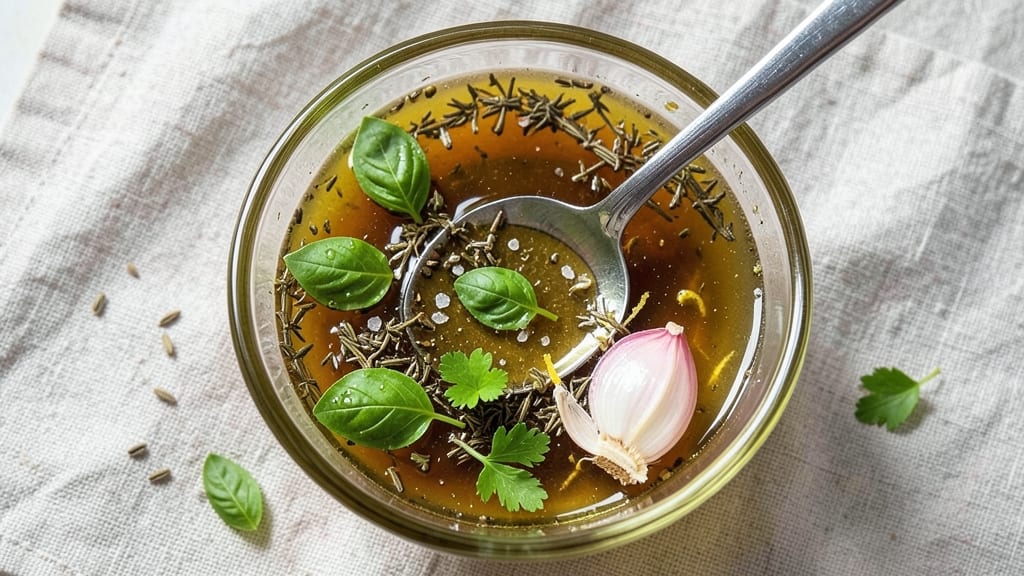
This apple cider vinegar Italian dressing transforms ordinary salads into vibrant, herb-packed masterpieces with just five simple ingredients. The tangy bite of apple cider vinegar cuts through rich ingredients while fresh basil and garlic create that signature Italian brightness—no heavy cream or artificial flavors here.
I developed this recipe after realizing most store-bought Italian dressings lacked the fresh, bright profile I craved in my summer salads.
The secret lies in balancing the acidity of apple cider vinegar with high-quality extra virgin olive oil, creating an emulsified dressing that clings beautifully to greens without separating. Fresh herbs—basil, parsley, and oregano—provide that unmistakable Italian flavor profile, while a touch of Dijon mustard adds subtle depth.
Unlike traditional Italian dressings that rely on red wine vinegar, this version delivers a sweeter, more complex tang that pairs perfectly with arugula, mixed greens, or even as a marinade.
What makes this dressing truly versatile is its ability to elevate any dish—drizzle it over caprese salads for extra brightness, use it as a marinade for grilled chicken, or serve it with crusty bread for dipping.
The recipe yields about 1 cup, perfect for a family of four, and keeps in the fridge for up to 2 weeks—though it rarely lasts that long. The herbs stay vibrant, and the flavors deepen over time, making this a pantry staple worth repeating.
For those who love experimenting, try swapping half the apple cider vinegar for balsamic vinegar for a richer twist or adding a pinch of red pepper flakes for a subtle kick.
The possibilities are endless, but the foundation remains the same: bright, herb-infused zing that turns simple salads into restaurant-worthy meals. Let’s get started!
Ingredients for apple cider vinegar italian dressing
Five simple ingredients create this vibrant, herb-infused dressing that elevates every salad.
| Ingredient | Amount | Notes |
|---|---|---|
| Apple Cider Vinegar 🍏 | ¼ cup | Raw, unfiltered preferred |
| Extra-Virgin Olive Oil 🫒 | ¾ cup | High-quality, fruity variety |
| Fresh Basil Leaves 🌿 | ¼ cup | Packed, stems removed |
| Fresh Flat-Leaf Parsley 🌿 | ⅛ cup | Chopped, finely |
| Dried Oregano 🌿 | 1 tsp | Italian variety preferred |
| Garlic Cloves 🧄 | 2 cloves | Peeled, minced finely |
| Dijon Mustard 🍯 | 1 tsp | Mild or strong preferred |
| Sea Salt 🧂 | ½ tsp | Fine grain preferred |
| Black Peppercorns 🌶️ | ¼ tsp | Freshly ground preferred |
The apple cider vinegar is the heart of this dressing—Bragg or Texas Pete are my go-tos for that authentic tang. Look for raw, unfiltered varieties at Whole Foods or your local health food store, as they retain more flavor complexity. Fresh basil and parsley should be bright green and firm, not wilted. I buy mine from the grocery store's produce section, but farmers' markets often have even fresher options. The extra-virgin olive oil makes all the difference; California Olive Ranch or Oregon Olive Mill are reliable brands with great flavor profiles. For the garlic, peel and mince it fresh—jarred minced garlic lacks the bright flavor needed here.
No fresh basil? Dried basil at half the amount works in a pinch, though the texture won't be the same. Swap parsley for cilantro if you prefer, but reduce to 0.1 cup to avoid overpowering the dressing. Running low on apple cider vinegar? Balsamic vinegar can replace up to half, though it’ll add a sweeter note. The Dijon mustard is non-negotiable for emulsification—French’s is a solid choice if you don’t have homemade. For a spicier kick, add red pepper flakes (start with ¼ tsp). The herbs can be prepped ahead and stored in the fridge for 3 days, but the garlic should be minced fresh for best flavor.
This dressing keeps beautifully in an airtight jar in the fridge for up to 2 weeks, though it’s usually gone in 3-4 days. The flavors actually deepen over time, making it taste even better the next day. For longer storage, freeze in ice cube trays—thaw and shake before use. The emulsified texture holds up well, but if it separates, just whisk vigorously to recombine. It’s perfect for marinades, dips, or salad dressings, and pairs especially well with grilled chicken or crusty bread. Make a double batch—you’ll want it on hand.
Why You'll Love This Recipe
- Five-Ingredient Magic: I swear by this combo—just vinegar, oil, herbs, and oregano. No fancy gadgets, no stress. The basil and parsley practically blend themselves if you pulse them right.
- Bright & Tangy: That apple cider vinegar cuts through everything—salads, pasta, even grilled chicken—like a fresh breeze. The oregano adds warmth, but it’s the basil’s peppery punch that makes it unforgettable.
- Weeknight Workhorse: I keep a jar in my fridge for quick salads, roasted veggies, or even drizzled over toast with balsamic. Honestly, it’s the one dressing that never fails me when I’m too tired to improvise.
- No-Waste Pantry Hero: Uses up herbs before they wilt and stretches a little olive oil far. Plus, the leftovers taste better after a day or two—like it’s had time to mellow out. Budget-friendly and foolproof.
Step-by-step instructions for apple cider vinegar Italian dressing
This vibrant dressing balances tangy sharpness with fresh herbs and rich olive oil for salads that shine.
Whisk Vinegar, Mustard, and Seasonings
In a medium bowl, combine the 0.25 cup apple cider vinegar with the 1 teaspoon Dijon mustard. The mustard helps emulsify the dressing later, preventing separation. Add the 0.5 teaspoon sea salt and 0.25 teaspoon black peppercorns, grinding the peppercorns lightly between your fingers first for maximum flavor. Whisk vigorously until fully dissolved and smooth.
This initial mixture should look cloudy and slightly thick. If you notice any undissolved salt crystals, give it another quick whisk. The acidity from the vinegar will help break down the mustard completely, creating a stable base for the oil.
Finely Chop Herbs and Garlic
Use a sharp chef's knife to chop the 0.25 cup fresh basil leaves and 0.125 cup fresh flat-leaf parsley into small, even pieces—about 1/8-inch in size. Remove and discard any thick stems from the basil. In the same bowl, add the 2 minced garlic cloves and 1 teaspoon dried oregano, then give everything another thorough whisk to distribute the dried herbs evenly.
The herbs should now be finely dispersed throughout the mixture. This step ensures the dressing has bright, consistent flavor in every bite. If you're using particularly large basil leaves, pulse them briefly in a food processor first for more uniform texture.
Gradually Incorporate Olive Oil
With the whisk still in the bowl, slowly drizzle in the 0.75 cup extra-virgin olive oil while whisking continuously. Start with a slow stream, then increase to a steady pour as the mixture begins to emulsify. The dressing should thicken noticeably as you add the oil, eventually reaching a smooth, creamy consistency.
If the dressing starts to look separated at any point, simply whisk more vigorously—this is normal and will resolve as you continue. The key is patience and steady whisking. Once fully combined, the dressing should coat the back of a spoon and hold its shape when drizzled.
Taste and Adjust Seasoning
Taste the dressing immediately after combining all ingredients. The balance should be bright from the vinegar, herby from the fresh basil and parsley, and slightly tangy from the mustard. If it needs more acidity, add 1/8 teaspoon additional apple cider vinegar. For a richer flavor, incorporate 1/2 teaspoon more extra-virgin olive oil.
Let the dressing sit at room temperature for 10 minutes before serving—this allows the flavors to meld completely. If stored in an airtight container in the refrigerator, it will keep for up to 1 week, though the herbs will continue to brighten the flavor over time. Shake well before each use, especially if the dressing has separated slightly during storage.
Pro Tips For Making Apple Cider Vinegar Italian Dressing
- STRAIN THE HERBS WELL: Don’t just toss the herbs in and call it done—give them a good squeeze through a fine-mesh strainer after chopping to release their oils. I used to skip this and end up with watery dressing that separated faster than a bad date. A damp paper towel pressed over the strainer works too if you’re lazy, but your dressing will taste brighter when you put in the effort.
- USE COLD OIL, NOT ROOM TEMP: Chill your extra-virgin olive oil in the fridge for 10 minutes before mixing it in. Warm oil emulsifies poorly with vinegar, and you’ll end up with a split dressing that looks like a science experiment gone wrong. Cold oil also preserves the delicate flavors—especially the basil—so they don’t turn bitter from heat.
- MEASURE VINEGAR FIRST: Pour the apple cider vinegar into your jar before adding anything else. This keeps the acidity balanced and prevents the dressing from turning sharp or overpowering. I learned this after making a batch so tangy it could’ve pickled my tongue—now I measure the vinegar like it’s the anchor of the whole thing.
- SALT THE VINEGAR: Mix ¼ teaspoon of fine sea salt directly into the apple cider vinegar while you’re measuring it. This rounds out the acidity and cuts through the herbal bitterness better than adding salt later. Trust me, your dressing will taste more cohesive and less like a sad salad topper if you do this step. It’s that simple.
Storing and reheating this dish
Fridge Storage Tips
Store your dressing in a glass jar with an airtight lid—I use Le Parfait 16-ounce jars for their leak-proof seals. Keep it in the fridge at 40°F or below for up to 2 weeks, though the herbs stay vibrant for about 10 days.
The flavors actually deepen over time, so it tastes even better the next day. Always shake well before using, especially if separation occurs. 🌿
Freezing for Later
For longer storage, freeze the dressing in ice cube trays—each cube makes about 1 tablespoon, perfect for single servings. Once frozen, transfer cubes to a ziplock freezer bag and flatten to save space.
Thaw overnight in the fridge and shake vigorously to recombine. The texture remains stable, though it may separate slightly—just whisk before use. 🧊
Reheating and Reusing
This dressing doesn’t need reheating—just shake the jar well and let it sit at room temperature for 5-10 minutes before drizzling. If it’s too thick after refrigeration, add 1 teaspoon water or vinegar and whisk to restore consistency.
I often use leftover dressing as a marinade for grilled chicken or a dip for warm crusty bread. 🍗
Preventing Separation
To avoid separation, always whisk vigorously when combining oil and vinegar. If it does separate, simply shake the jar hard for 30 seconds—the mustard and herbs help re-emulsify it naturally.
For extra stability, add ½ teaspoon xanthan gum (a pinch) when making a double batch. The dressing will stay creamy for weeks. ⚡
Herb Refreshing Trick
If the herbs in your stored dressing start to lose brightness, add 1 tablespoon fresh chopped basil or parsley and whisk it in. The fresh herbs will revive the flavor instantly.
I keep a small jar of dried herbs on hand for emergencies—just add ½ teaspoon dried basil if needed. 💡
Portioning for Convenience
Divide the dressing into small 4-ounce jars for easy grab-and-go use. Label with the date and store in the fridge—this way, you always have a fresh batch ready.
I keep one jar in the fridge and one in the pantry for quick access. Perfect for busy weeks when you need a fast, flavorful boost. 📅
Nutrition facts
Frequently asked questions
Why does this dressing use apple cider vinegar instead of red wine vinegar?
Apple cider vinegar adds a sweeter, fruitier tang that complements the herbs beautifully—unlike sharp red wine vinegar, which can overpower delicate flavors. The mild sweetness balances the richness of olive oil, creating a more complex, restaurant-quality dressing perfect for summer salads.
Can I make this dressing without fresh herbs?
Yes! Swap fresh basil and parsley for 1 teaspoon dried basil and ½ teaspoon dried parsley, though the texture won’t be identical. For best results, add 1 extra teaspoon dried oregano to boost the Italian flavor profile. The dressing will still taste great—just slightly less vibrant.
How do I know when the dressing is properly emulsified?
When emulsified correctly, the dressing should coat the back of a spoon and hold its shape when drizzled. If it separates, whisk vigorously—this is normal and will resolve. For extra stability, add a pinch of xanthan gum (⅛ teaspoon) when making larger batches. The mustard in the recipe also helps prevent separation.
What are the best uses for leftover dressing?
Beyond salads, use this dressing as a marinade for grilled chicken or shrimp, a dip for warm crusty bread, or a drizzle over roasted vegetables. It also works wonders in pasta dishes—toss with al dente penne or zucchini noodles for an instant Italian-inspired meal. The flavors deepen when used in cooking!
Can I adjust the spice level?
For heat, add ¼ teaspoon red pepper flakes or a pinch of cayenne. For smokiness, stir in ½ teaspoon smoked paprika. If you prefer milder flavor, reduce the garlic to 1 clove or omit the Dijon mustard. Taste as you go—this dressing is highly customizable!