
Sauces & Condiments
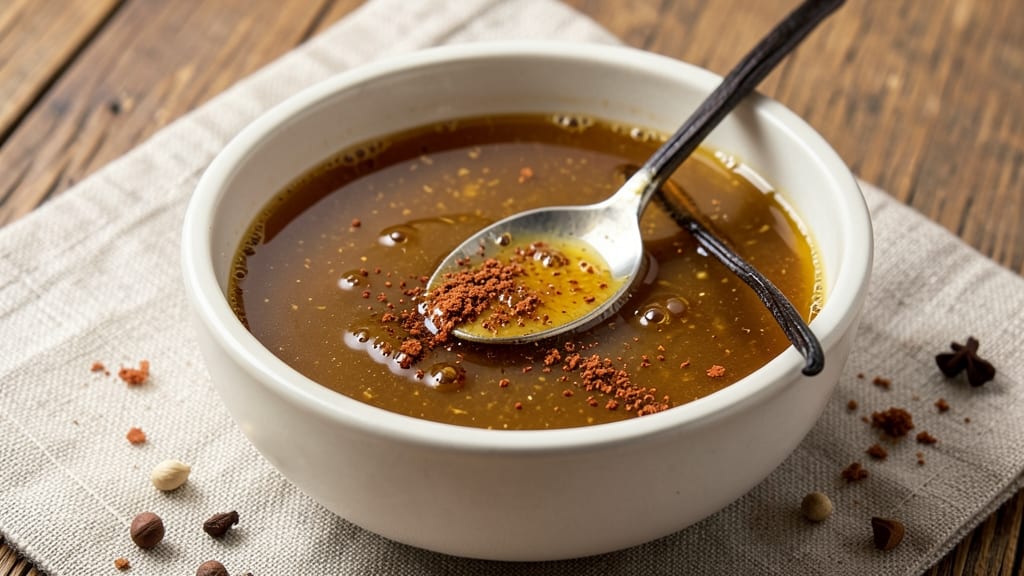
This apple cider reduction sauce transforms ordinary meals into something extraordinary with its caramelized depth and warm spice notes. Simmering cider, sugar, and aromatic spices creates a concentrated sauce that clings beautifully to roasted meats, glazes desserts, or elevates simple dishes with restaurant-quality richness.
The slow reduction process develops complex flavors that bottled sauces can't match, making it a versatile pantry staple worth the effort.
The magic happens through controlled reduction—evaporating liquid while caramelizing sugars to create a glossy, syrupy sauce with layers of vanilla, cinnamon, and subtle tartness. Professional chefs rely on this technique to add depth to dishes without overwhelming them, and you can achieve the same results with basic pantry ingredients.
A 30-minute process yields enough sauce to generously coat a roast, drizzle over pancakes, or enhance mashed potatoes with autumnal warmth.
What makes this sauce truly special is its adaptability—it works as a glaze for ham, a drizzle for cheese boards, or even a finishing touch for ice cream.
The concentrated flavor means you only need a small amount to transform a dish, and the spices can be adjusted to suit your taste preferences. Once you master this technique, you'll find yourself reaching for apple cider and sugar whenever you want to add sophisticated depth to your cooking.
Best of all, the sauce keeps beautifully in the refrigerator for up to two weeks or can be frozen for longer storage. This makes it perfect for holiday entertaining or meal prepping ahead of time.
Whether you're preparing for Thanksgiving, craving comfort food, or simply want to elevate everyday meals, this apple cider reduction sauce delivers professional results with minimal effort.
Ingredients for apple cider reduction sauce
Cider, sugar, and spices—just five essentials for this restaurant-worthy sauce that clings like magic.
| Ingredient | Amount | Notes |
|---|---|---|
| Unfiltered Apple Cider 🍎 | 4 cups | High-quality, preferably organic |
| Granulated Sugar 🍚 | 1 ½ cups | Light brown sugar for deeper flavor |
| Vanilla Bean 🌿 | 1 whole | Split lengthwise for seeds |
| Ground Cinnamon 🌶️ | 1 ½ tsp | Freshly ground preferred |
| Ground Cloves 🌶️ | ½ tsp | Lightly toasted for aroma |
| Ground Nutmeg 🌶️ | ¼ tsp | Freshly grated nutmeg |
| Orange Zest 🍊 | 1 tbsp | From organic orange |
| Orange Juice 🍊 | ½ cup | Freshly squeezed |
| Unsalted Butter 🧈 | 2 tbsp | Cold, cubed for finishing |
| Sea Salt 🧂 | ½ tsp | Diamond Crystal preferred |
The cider is everything here. Muller's or Woodchuck are my go-tos—their unfiltered, cloudy varieties add depth and texture. If you can't find those, any high-quality cider works, but avoid the sweet, pasteurized stuff from the juice aisle. Sugar is your flavor multiplier, so don't skimp. Light brown sugar adds caramel notes, but white works in a pinch. For spices, Penzeys bulk bins are worth the trip—their ground cinnamon and cloves stay aromatic for months. Fresh nutmeg makes a difference, but pre-ground is fine if it's labeled 'freshly ground' on the package. The orange zest and juice brighten the sauce without overpowering, so use fresh if possible—bottled juice lacks the same zing.
No vanilla bean? Pure vanilla extract at half the amount works, but you'll miss those little specks of magic. Running short on cider? Apple juice plus 1 tbsp lemon juice gets you close, though it won't have the same body. The butter at the end is non-negotiable—it emulsifies the sauce and adds richness that no plant-based oil can replicate. For a vegan version, use coconut oil instead, but expect a slightly different texture. Need to adjust sweetness? Taste as you go—add sugar in 1 tbsp increments rather than dumping it all in at once. The sauce should coat the back of a spoon with a glossy sheen, not drip like syrup.
This sauce is a pantry MVP—keeps for 2 weeks in the fridge sealed tightly, or 6 months frozen in ice cube trays for single-use portions. Reheat gently in a saucepan over low heat, stirring occasionally. I like to portion mine into small jars with a spoonful of butter on top—melts beautifully when reheated. For holiday entertaining, make a big batch and store in the freezer. Thaw overnight in the fridge, then reheat to serve. The flavors only deepen with time, so don't be afraid to make extra.
Why You'll Love This Recipe
- Pantry Magic: I swear by this sauce because it uses what I already have—no special shopping trips. Just grab that unfiltered cider (the cloudy stuff with sediment is key), a pinch of spices, and a vanilla bean scraped from last Christmas. Honestly, it’s the kind of recipe that makes me feel like a chef without the grocery haul.
- Spiced Gold: That first sip of reduction? It’s like autumn in a spoonful—warm cinnamon and cloves deepen as it thickens, while the vanilla adds this velvety richness. I’ll be real: the cloves make it special, but skip them if you’re nervous, and it’s still ridiculously good.
- Dinner Party Hack: I’ve drizzled this over roasted pork chops, spooned it into mashed potatoes, and even used it as a glaze for brussels sprouts. It’s the kind of sauce that turns a simple weeknight meal into something that feels intentional—no one will guess it took 20 minutes to make.
- Leftovers That Last: Make a double batch and store it in the fridge for up to two weeks. Thin it with a splash of water or stock when reheating, and it’s still better than takeout. Between us, I’ve even frozen it in ice cube trays for quick flavor boosts—because why not?
Step-by-step instructions for apple cider reduction sauce
Transform humble apple cider into a rich, caramelized masterpiece that clings perfectly to meats and desserts.
Combine Cider, Sugar, and Spices in a Heavy Saucepan
In a heavy-bottomed saucepan, combine the 4 cups unfiltered apple cider and 1.5 cups granulated sugar. I always use a heavy saucepan for this recipe because it distributes heat evenly and prevents scorching. Stir just until the sugar dissolves completely—you should see a clear, golden liquid with no graininess remaining.
Next, add the 1 whole vanilla bean (split lengthwise and scraped), 1.5 teaspoons ground cinnamon, 0.5 teaspoon ground cloves, and 0.25 teaspoon ground nutmeg. Give everything a gentle stir to distribute the spices evenly. Here's the thing—lightly toast the cloves for 30 seconds in a dry pan before adding if you have time. This enhances their aroma dramatically, but it's not mandatory if you're short on time.
Simmer Until Reduced by Half and Fragrant
Place the saucepan over medium-high heat and bring the mixture to a boil. Once boiling, reduce the heat to medium-low and let it simmer uncovered. You're looking for a gentle, steady simmer—not a rolling boil—that reduces the liquid by about half. This should take approximately 20-25 minutes.
As it simmers, you'll notice the aroma intensify—warm apple cider, cinnamon, and those deep, earthy notes from the cloves. Stir occasionally to prevent sticking, but don't over-stir. The sauce will thicken as it reduces, and you'll see a beautiful caramelized color develop along the edges of the pan. This is when the magic happens: the sugars concentrate, creating that rich, complex flavor we're after.
Add Orange Zest and Juice for Brightness
After the sauce has reduced by half, stir in the 1 tablespoon orange zest and 0.5 cup orange juice. The citrus brightens the deep, caramelized flavors and adds a refreshing contrast. I like to add the zest first, letting it infuse for about 2 minutes before adding the juice. This ensures the zest's oils fully meld with the sauce rather than just floating on top.
Taste the sauce at this point and adjust the seasoning if needed. You might find it needs a touch more salt—add the 0.5 teaspoon sea salt now if it tastes flat. The sauce should be syrupy but still pourable, with a glossy sheen that indicates proper reduction. If it's too thick at this stage, you can thin it slightly with a splash of water or apple cider, but it should naturally thicken more as it cools.
Finish with Butter for Richness and Gloss
Remove the sauce from heat and let it cool slightly for 2-3 minutes. This prevents the butter from separating when added. Stir in the 2 tablespoons cold, cubed unsalted butter until fully melted and incorporated. The butter adds a velvety texture and balances the acidity of the citrus and cider.
For the final touch, scrape the vanilla bean seeds from the split pod and add them to the sauce. This infuses the last bit of vanilla flavor and gives the sauce a beautiful, speckled appearance. Strain the sauce through a fine-mesh sieve if you prefer a smooth texture, or leave it as-is for a rustic look with visible spices. Either way, the sauce should now have a deep amber color and a rich, caramelized aroma that fills your kitchen.
Cool and Adjust Consistency
Let the sauce cool to room temperature. As it cools, it will thicken further—this is normal and actually improves the texture. If the sauce is too thick for your liking, thin it with a splash of warm water or apple cider, 1 tablespoon at a time, until it reaches your desired consistency.
This sauce is incredibly versatile. Use it immediately to glaze roasted meats, drizzle over vanilla ice cream, or reduce it further for a thicker consistency to serve alongside cheeses or charcuterie. The key to its success lies in the patience of simmering and the balance of sweet, spicy, and citrusy flavors. Trust the process, and you'll end up with a sauce that's far more impressive than the simple ingredients suggest.
Pro Tips For Making Apple Cider Reduction Sauce
- STIR CONSTANTLY AT FIRST: The first 5 minutes are when you’ll see the most dramatic reduction—if you walk away, you’ll end up with a thin, syrupy mess instead of a rich, glossy sauce. I learned this the hard way after letting a batch simmer unattended and watching it turn into apple cider glue.
- SCRUB THE VANILLA BEAN: Don’t just drop in the pod—split it lengthwise and scrape out every last bit of seeds with the back of a knife. The leftover pulp adds depth, and skipping this step means you’re missing half the vanilla’s flavor. (Yes, even if you’re impatient like me.)
- DON’T BOIL DRY: Once the mixture reaches a deep amber color, lower the heat to a bare simmer or it’ll burn before you hit the right consistency. I’ve ruined three batches by letting it boil too hard—now I watch for bubbles breaking gently, not rolling over like a pot of pasta water.
- STRAIN TWICE: Use a fine-mesh strainer first to catch clove bits, then a cheesecloth-lined sieve for the second pass to get a silky texture. The extra step feels tedious, but the result is a sauce so smooth it’ll make your guests ask what you added. (It’s just patience.)
Regional styles of this apple cider reduction sauce
New England Classic
In New England, this sauce takes center stage during harvest season, especially alongside roasted pork shoulder or turkey. The locals often add a touch of maple syrup—about 1 tablespoon—to the reduction for a deeper, caramelized sweetness that pairs perfectly with maple-glazed meats.
I've found that using hard cider from local orchards like Angry Orchard adds a crisp, tart edge that balances the richness of the sauce. 🍁
Southern Comfort Style
Down South, this sauce gets a smoky twist by incorporating 1 teaspoon of smoked paprika into the spice blend and finishing with a drizzle of bourbon—just 2 tablespoons—after removing it from heat. This variation works beautifully with slow-cooked pork ribs or as a glaze for cornbread.
I like to serve it warm over pecan pie for a decadent dessert. The bourbon adds a warm, slightly spicy note that complements Southern flavors.
Pacific Northwest Twist
In the Pacific Northwest, where apple orchards thrive, this sauce often includes 1 teaspoon of fresh rosemary or thyme—infused into the cider before reduction.
The earthy, piney notes of rosemary pair wonderfully with the warm spices, creating a sophisticated sauce that works with roasted lamb or as a drizzle for fresh cheese boards. I've also seen it used as a glaze for salmon, adding a bright, herbal contrast to the rich fish. 🌿
Midwest Harvest Variation
The Midwest leans into hearty, comforting flavors by adding 1/2 teaspoon of ground allspice—a spice commonly used in regional baking—to the spice blend. This variation is perfect for glazing ham or drizzling over mashed potatoes during holiday gatherings.
I've also seen it used as a dip for apple slices, especially when paired with sharp cheddar cheese. The allspice adds a warm, slightly floral note that enhances the sauce's depth.
Urban Fusion Adaptation
In urban kitchens, this sauce gets a modern makeover by incorporating 1/4 teaspoon of chili flakes—for a subtle heat—and finishing with a splash of ginger beer—about 2 tablespoons—instead of orange juice.
This fusion works brilliantly with grilled chicken or as a drizzle for creamy desserts like cheesecake. The ginger beer adds a fizzy, slightly spicy brightness that cuts through the richness of the sauce. 🌆
Nutrition facts
Frequently asked questions
Can I use apple juice instead of apple cider?
Apple juice works in a pinch, but it lacks the depth and texture of unfiltered cider. For the best results, use 100% unfiltered apple cider—the sediment adds complexity. If you must substitute, mix 3 cups apple juice with 1 cup water and 1 tbsp lemon juice to mimic the acidity and body of cider.
How do I know when the sauce is reduced enough?
The sauce should reduce by about half—from 4 cups to roughly 2 cups. Test it by chilling a small spoonful: it should coat the back smoothly without dripping. If it's too thick, thin with 1 tbsp warm water or cider at a time. Over-reducing can burn the sugars, so monitor closely.
Can I make this sauce ahead of time?
Store it in an airtight container in the fridge for up to 2 weeks or freeze for 6 months. Reheat gently over low heat, stirring occasionally. For easy reheating, freeze in ice cube trays—perfect for single-use portions. The flavors actually deepen over time!
What if my sauce crystallizes when cooled?
This happens when sugars separate during cooling. To fix it, gently reheat the sauce over low heat, stirring constantly until smooth. If it's too thick, thin with 1 tbsp warm water or cider. To prevent crystallization, avoid stirring too much while reducing—let the sugars caramelize naturally.
How can I use this sauce beyond meat glazes?
This versatile sauce elevates everything! Drizzle it over vanilla ice cream, mashed potatoes, or cheese boards. Use it as a dip for apple slices or fresh bread. Even a splash in cocktails (like bourbon or hot apple cider) adds depth. The key is balance—start with 1 tsp and adjust to taste.