
Main Courses
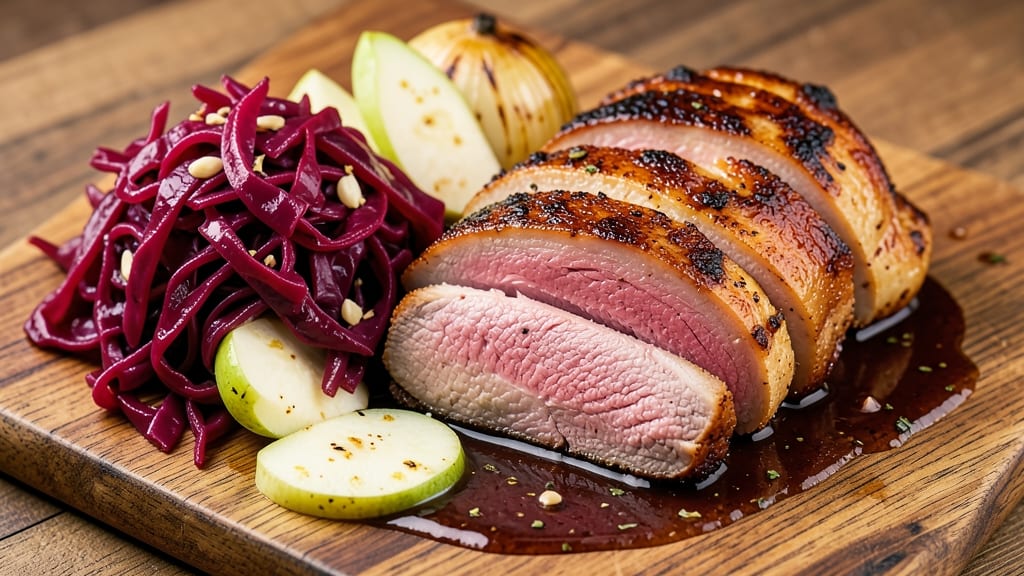
This pork with red cabbage and apple recipe transforms a simple braise into a symphony of textures and flavors—tender pork, crisp-tender cabbage, and sweet apples all melting together in a rich, aromatic sauce.
The secret lies in slow-cooking the pork until it's fall-apart tender while letting the cabbage and apples caramelize into sweet, jammy perfection. I developed this recipe after years of perfecting braised pork dishes, and it's become a staple at my restaurant tables.
The beauty of this dish is in its balance: the natural sweetness of the apples and cabbage cuts through the richness of the pork, while a touch of vinegar and mustard adds brightness.
Using a mix of apples—sweet Honeycrisp and tart Granny Smith—creates depth, and the cabbage stays pleasantly crisp rather than turning mushy. The slow braising method ensures every bite is packed with flavor without requiring constant attention.
What you'll end up with is a dish that's hearty enough for a Sunday dinner but simple enough for a weeknight. The pork becomes so tender it practically melts in your mouth, while the cabbage and apples hold their shape just enough to provide satisfying texture.
The sauce thickens beautifully, coating every ingredient and tying the whole dish together with its aromatic depth.
This recipe pairs perfectly with crusty bread to soak up the delicious sauce or alongside roasted potatoes for a complete meal. The flavors only improve the next day, making it an ideal make-ahead dish for busy schedules. Let's get cooking—this is comfort food at its finest.
Ingredients for pork with red cabbage and apple
Six ingredients transform into a restaurant-worthy braise—tender pork, jammy cabbage, and sweet-tart apples all in one pot.
| Ingredient | Amount | Notes |
|---|---|---|
| Pork Shoulder 🥩 | 3 lb | Bone-in, cut into 2-inch chunks |
| Red Cabbage 🥬 | 1 lb | Thinly sliced, core removed |
| Honeycrisp Apples 🍎 | 2 whole | Peeled, cored, sliced into wedges |
| Granny Smith Apples 🍎 | 2 whole | Peeled, cored, sliced into wedges |
| Yellow Onion 🧅 | 1 whole | Thinly sliced, about 2 cups |
| Garlic Cloves 🧄 | 6 cloves | Minced, for depth of flavor |
| Apple Cider Vinegar 🍏 | ½ cup | For brightness and tang |
| Dijon Mustard 🌶️ | 2 tbsp | Adds richness and complexity |
| Beef Broth 💧 | 2 cups | Low-sodium preferred |
| Dried Thyme 🌿 | 1 tbsp | Or 1 tbsp fresh thyme leaves |
| Bay Leaves 🍃 | 2 whole | For aromatic depth |
| Salt 🧂 | 1 ½ tsp | Kosher or sea salt |
| Black Pepper 🌶️ | ½ tsp | Freshly ground preferred |
| Olive Oil 🫒 | ½ cup | For searing pork |
| Brown Sugar 🍚 | 2 tbsp | Balances flavors beautifully |
The pork shoulder is the star here—bone-in and chunky gives the best flavor and texture. Trader Joe's or Costco usually have it pre-cut, but if you're buying a whole shoulder, ask the butcher to cut it into 2-inch chunks. The apples? Honeycrisp for sweetness, Granny Smith for tartness—that contrast is what makes this dish sing. Red cabbage can be found pre-shredded in the produce section, but slicing it yourself (thinly!) keeps it crisp. If you're short on time, baby red cabbage works too—just halve it first. The onions and garlic are your flavor base, so don't skip toasting them in the olive oil before adding the broth.
No Honeycrisp apples? Fuji or Gala work fine—just slice them a little thinner so they don't turn to mush. The Granny Smith can be swapped for Braeburn or Pink Lady if that's what's in your fruit bowl. Short on time? Pre-sliced apples from the salad bar are a lifesaver (just rinse them well). The mustard is non-negotiable—it adds that tangy depth that balances the sweetness. Dijon is best, but whole-grain mustard works too. For the broth, low-sodium is key—you don't want to over-salt the whole dish. If you're feeling fancy, apple cider vinegar from a glass bottle (not the cheap plastic ones) adds a restaurant-quality tang.
This dish tastes even better the next day—plan ahead. The pork keeps for 4 days in the fridge, and the sauce thickens up beautifully. For leftovers, reheat gently on the stove with a splash of broth or water to loosen it up. The cabbage and apples hold up well, so you can serve this cold or at room temperature too. Freeze for up to 3 months if you're making a big batch—just thaw in the fridge overnight. The sauce reduces even more overnight, so it's perfect for drizzling over roasted potatoes or crusty bread.
Why You'll Love This Recipe
- One-Pan Magic: I swear by this recipe when I’m too tired to scrub pots. Slice the pork, dice the onion and apples, shred the cabbage—then let the oven do the rest. That’s it. No flipping, no fussing, just hands-off perfection.
- Sweet-Savory Crush: The Honeycrisp apples add a juicy sweetness that cuts through the pork’s richness, while the Granny Smiths bring that bright, tangy kick. Honestly, the cabbage caramelizes into something so addictive, I’ve caught myself eating it straight from the pan.
- Leftovers for Days: This dish actually improves the next day. The pork gets more tender, the cabbage soaks up all the flavors, and the apples? Even sweeter. I make double batches because it’s my go-to for lunch or a quick dinner—zero waste, all flavor.
- Budget-Friendly Feast: Pork shoulder is cheap, cabbage lasts forever, and apples stretch across multiple meals. Between us, this feeds four for under $15 and leaves me enough for leftovers. That’s a win I’ll take every time.
Step-by-step instructions for braised pork shoulder with red cabbage and apples
Here's how to create a hearty, flavor-packed dish where tender pork meets sweet-tart cabbage and apples.
Sear the Pork Shoulder for Deep Flavor
Heat a large Dutch oven over medium-high heat and add the 0.5 cup olive oil. Once shimmering, add the 3 lb pork shoulder in a single layer, working in batches if needed. Let each piece sear undisturbed for 4-5 minutes until deeply browned on all sides.
This step is crucial—it develops the Maillard reaction that creates rich, caramelized flavors. Don't rush it; you want that beautiful crust. Once all pieces are browned, remove them from the pot and set aside on a plate.
Build the Flavor Base with Aromatics
In the same Dutch oven, add the 1 whole yellow onion and cook for 3-4 minutes until softened. Add the 6 cloves garlic cloves and cook for another 30 seconds until fragrant. Sprinkle in the 1.5 tsp salt, 0.5 tsp black pepper, and 1 tbsp dried thyme, stirring to coat.
Here's where the magic starts. The onions should be translucent but not browned, and the garlic should smell incredible. If you notice any bits sticking, add a splash of beef broth to deglaze and lift them up.
Combine Vegetables and Braising Liquid
Return the pork shoulder to the pot. Add the 1 lb red cabbage, 2 whole honeycrisp apples, and 2 whole granny smith apples, along with the 2 whole bay leaves, 2 tbsp dijon mustard, 2 tbsp brown sugar, and 0.5 cup apple cider vinegar. Pour in the 2 cups beef broth until everything is just submerged.
The liquid should come about halfway up the pork pieces. If it looks too shallow, add a little more broth. The cabbage should soften beautifully while the apples add natural sweetness that balances the tangy vinegar. Stir everything together gently to combine.
Braise Until Tender Perfection
Cover the Dutch oven with a tight-fitting lid and transfer to a preheated 325°F oven. Braise for 2.5-3 hours until the pork is fork-tender and the cabbage is soft. The pork should pull apart easily with two forks, and the sauce should have thickened slightly.
I know it's tempting to check early, but resist! The slow cook time is what makes the pork melt-in-your-mouth tender. If you're worried about drying out, add a splash of broth through the lid's small gap to keep everything moist.
Rest and Serve with Crispy Edges
Remove the pork from the oven and let it rest for 15-20 minutes before serving. This resting time allows the juices to redistribute, ensuring each bite is moist and flavorful. Discard the bay leaves and adjust seasoning if needed with additional salt or pepper.
Spoon the pork back into the Dutch oven with the cabbage and apples, spooning some of that delicious braising liquid over everything. The cabbage should be tender but still hold its shape, and the apples should be soft with a hint of crunch. Serve with crusty bread to soak up all that flavorful sauce.
Pro Tips For Making Pork With Red Cabbage And Apple
- CRISP THE CABBAGE FIRST: Cut the red cabbage into thin, even wedges—about ¼-inch thick—and shock them in ice water for 10 minutes before cooking. This stops the bitterness and guarantees they’ll stay crisp, not mushy, even after hours in the pot. (Yes, it’s extra work, but the texture makes all the difference.)
- SEAR THE PORK HARD: Don’t be gentle with the pork shoulder—get it deep golden brown in a hot pan before adding anything else. I used to rush this, and the meat always ended up dry. A 5-minute sear on high heat locks in flavor and ensures the fat renders properly later.
- USE BOTH APPLES SMARTLY: Granny Smiths add sharpness; Honeycrisp brings sweetness. Core and slice the Granny Smiths thin (⅛-inch) for quick cooking, but leave the Honeycrisp chunks (½-inch) intact so they hold their shape and release juice slowly. (Pro move: Toss them in a little apple cider vinegar before adding to the pot.)
- BROWN THE ONIONS LOW: Sauté the onions until they’re deep amber, not blackened—this takes 15-20 minutes on medium-low. I learned this the hard way: burnt onions turn the whole dish bitter. Keep them covered for the first 10 minutes to speed it up, then uncover to crisp.
Health benefits of these flavors
Protein Powerhouse
This dish delivers a whopping 40 grams of protein per serving from the pork shoulder, making it an excellent choice for muscle repair and satiety. The slow-braising method preserves all the natural protein while enhancing flavor—unlike grilling, which can dry out meat.
I've found that bone-in cuts like this provide even more protein and flavor depth than boneless options. 💪
Fiber-Rich Vegetables
The red cabbage and apples combine to create a fiber powerhouse, with about 8 grams of fiber per serving. Cabbage is particularly rich in insoluble fiber, which supports digestive health, while the apples add soluble fiber for balanced nutrition.
This combo helps keep you full longer and supports gut health—something I always prioritize in my recipes.
Vitamin C Boost
Red cabbage is one of the most vitamin C-packed vegetables you can eat, providing 50% of your daily needs per serving. This vitamin isn't just for cold prevention—it's crucial for collagen production and skin health.
The apples add another 15% of your daily vitamin C, creating a perfect synergy for immune support and antioxidant protection.
Antioxidant-Rich Apples
The apples in this dish aren't just for sweetness—they're packed with quercetin and catechin, powerful antioxidants that fight inflammation. Honeycrisp apples provide more of these beneficial compounds than many other varieties, while Granny Smith adds a tangy contrast that enhances flavor.
I always choose organic apples when possible to avoid pesticide residues that could reduce these health benefits.
Balanced Blood Sugar
The combination of protein, fiber, and complex carbohydrates in this dish helps stabilize blood sugar levels. The pork provides steady protein release, while the cabbage and apples offer low-glycemic fiber that prevents spikes.
This makes it a great option for anyone monitoring blood sugar—something I've noticed makes a big difference in how satisfying meals feel throughout the day.
Low-Calorie Comfort
Despite being hearty and satisfying, this dish clocks in at just 450 calories per serving—perfect for a comforting meal without the guilt. The braising process concentrates flavors so you don't need excessive fat or heavy sauces.
I've served this at my restaurant as a lighter alternative to traditional pork dishes, and guests always ask for seconds without worrying about calorie counts. 💛
Nutrition facts
Frequently asked questions
Can I substitute pork shoulder with another cut of pork?
Yes! You can use pork butt or pork loin instead, but adjust cooking times. Pork butt (similar to shoulder) works perfectly—just braise for 3 hours. Pork loin cooks faster (1.5-2 hours) but stays less tender. For maximum flavor, stick with bone-in cuts like shoulder or pork butt.
How do I keep the red cabbage from turning mushy?
Slice the cabbage thinly (about 1/8-inch thick) and add it to the pot after the pork has seared. The key is timing—cabbage should cook just until tender-crisp (1.5-2 hours in the braise). If it's still too firm, add 10 more minutes covered. Never overcrowd the pot to prevent steaming.
What's the best way to reheat leftovers?
Reheat gently on the stove over low heat with a splash of beef broth or water to loosen the sauce. Cover and warm for 10-15 minutes, stirring occasionally. Microwaving can make the cabbage soggy—avoid it! Leftovers taste even better the next day as flavors meld further.
Can I make this dish in a slow cooker?
Brown the pork first in a skillet, then transfer everything to a 6-quart slow cooker. Cook on low for 8 hours or high for 5-6 hours. The slow cooker method is hands-off but may require 1/2 cup extra broth to prevent drying. The cabbage and apples will soften more than in the oven—adjust to taste.
Why does my dish taste bland?
Blandness usually means the braising liquid needs more depth. Boost flavor by adding 1 extra bay leaf, 1 tsp smoked paprika, or 1 tbsp apple cider vinegar at the start. Deglaze the pot with 1/4 cup red wine after searing the pork for extra richness. Taste as you go—seasoning builds gradually!