Main Courses
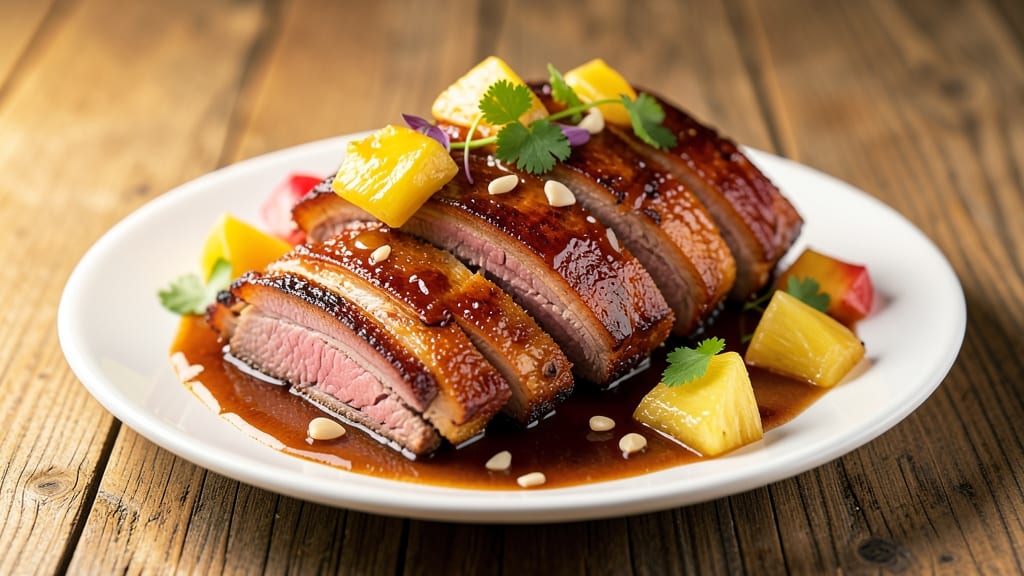
This pork spareribs with pineapple recipe transforms classic BBQ into a tropical-inspired masterpiece that balances smoky depth with bright, caramelized sweetness. Growing up in Georgia, I learned that pork's natural richness pairs beautifully with unexpected flavors—pineapple's acidity cuts through the fat while its natural sugars create an irresistible glaze.
The key lies in slow-cooking the ribs until they're fork-tender, then finishing with a sticky-sweet pineapple reduction that caramelizes into a glossy finish.
What sets this recipe apart is the two-stage cooking process: first, a low-and-slow smoke that renders fat and develops deep flavor, then a quick sear that creates that coveted bark.
I use a simple marinade of brown sugar, soy sauce, and garlic to prep the ribs, ensuring they're tender before they even hit the heat. The pineapple comes in during the final stages, where its juices reduce into a thick, aromatic glaze that clings to every rib.
By the time you serve these ribs, you'll have fall-off-the-bone meat with a glossy, caramelized crust and pockets of sweet pineapple glaze.
The contrast between the smoky pork and tropical fruit creates a flavor profile that's both familiar and exciting—perfect for summer gatherings or when you want to elevate a classic dish. The technique is straightforward but delivers restaurant-quality results that'll have everyone asking for seconds.
Pair these ribs with crispy coleslaw and buttery cornbread to complete the meal. The slaw's tangy crunch cuts through the richness, while the cornbread soaks up every last drop of that pineapple glaze.
This is the kind of recipe that turns a simple weeknight dinner into a memorable feast—one that proves you don't need to travel to Hawaii to enjoy tropical flavors.
Ingredients for pork spareribs with pineapple
Six pounds of ribs meet tropical sweetness—this is where smoky meets sticky-sweet perfection.
| Ingredient | Amount | Notes |
|---|---|---|
| Pork Spareribs 🍖 | 4 lb | Bone-in, cut into individual ribs |
| Fresh Pineapple 🍍 | 2 cups | Diced, fresh or frozen (thawed) |
| Brown Sugar 🍚 | ½ cup | Packed, light or dark |
| Soy Sauce 🍶 | ¼ cup | Low-sodium preferred |
| Garlic Cloves 🧄 | 6 cloves | Minced, fresh preferred |
| Apple Cider Vinegar 🍏 | ¼ cup | For tangy depth |
| Honey 🍯 | ¼ cup | Wildflower for floral notes |
| Smoked Paprika 🌶️ | 1 tbsp | For smoky flavor |
| Ground Black Pepper 🌶️ | 1 tbsp | Freshly cracked |
| Onion Powder 🧅 | 1 tsp | For base flavor |
| Olive Oil 🫒 | 2 tbsp | For searing ribs |
| Fresh Ginger 🌿 | 1 tbsp | Grated, for pineapple glaze |
| Kosher Salt 🧂 | 1 ½ tbsp | For seasoning and brining |
The ribs are the foundation, so bone-in, cut into individual ribs is key—it's what gives you that fall-off-the-bone texture. Costco sells them pre-cut, but if you're buying whole, look for good marbling and ask your butcher to separate them. The pineapple should be ripe but firm; frozen works in a pinch if you thaw it first. Brown sugar and honey are non-negotiable here—they caramelize beautifully during cooking, creating that glossy glaze. For the soy sauce, Kikkoman is my go-to, but any good-quality brand works. The garlic and ginger? Freshly grated or minced—dried just won't cut it for the depth of flavor you want in this dish.
No fresh pineapple? Canned crushed pineapple (drained) is a solid swap, though it lacks the bright acidity. Short on honey? Maple syrup at a 1:1 ratio works, but the floral notes are different. The smoked paprika adds that BBQ touch—if you can't find it, regular paprika plus a pinch of cayenne gets you close. For the ribs, bone-in is essential—it keeps them juicy. If you're worried about overcooking, use a meat thermometer and aim for 195°F internal temp before pulling them. The glaze reduces fast, so don't rush it—let it bubble away until it's thick enough to coat the back of a spoon.
Ribs reheat beautifully—just wrap them in foil with a splash of water and bake at 300°F for 20 minutes. The glaze? Store it in a jar in the fridge for up to 1 week—it's perfect for drizzling over grilled chicken or tofu later. For meal prep, cook the ribs ahead and store them in the fridge; reheat them with the glaze to keep everything cohesive. The leftovers? Tacos, sandwiches, or rice bowls—this glaze is versatile. And if you make extra? Freeze it in ice cube trays for quick portions later.
Why You'll Love This Recipe
- One-Pan Magic: I swear by this recipe because it’s that simple—just ribs, pineapple chunks, and a quick glaze of brown sugar, soy, and minced garlic. No flipping pans, no fussing with sauces. The pineapple caramelizes right on the sheet pan while the ribs get sticky-sweet perfection.
- Sweet-Savory Balance: Between us, the combo of smoky ribs and fresh pineapple is ridiculously good. That tangy-sweet glaze cuts through the richness, and the garlic? It’s the secret weapon—just a few cloves make the whole dish sing.
- Weeknight Crowd-Pleaser: This feeds six with leftovers that taste even better the next day. I’ve served it at BBQs, potlucks, and lazy Sundays, and no one ever questions why I make it so often. (Spoiler: It’s the brown sugar glaze.)
- Budget-Friendly Feast: Pork ribs are cheaper than you’d think, and pineapple stretches far when you cube it. I’ve made this for under $15 for four servings—plus, the leftovers reheat like a dream. Minimal cost, maximum satisfaction.
Step-by-step instructions for caramelized pork spareribs with tropical glaze
Here's how to transform tough ribs into tender, sweet-spicy masterpieces with a sticky pineapple glaze.
Prepare the Ribs with Dry Rub
Start by removing the pork spareribs from the package and patting them completely dry with paper towels. This step is crucial—moisture prevents the rub from sticking and creates steam that keeps the meat from browning properly. Place the ribs meat-side down on a cutting board and use a sharp knife to trim any excess fat, leaving about ¼-inch thickness.
In a small bowl, combine the 1.5 tablespoons kosher salt, 1 tablespoon smoked paprika, 1 tablespoon ground black pepper, and 1 teaspoon onion powder. Rub this mixture generously over every inch of the ribs, pressing firmly so the spices adhere. Let them sit at room temperature for 30 minutes while you prep the glaze—this allows the salt to penetrate and the spices to develop their flavors. Real talk: Don't skip this resting time, or your ribs will cook unevenly.
Sear the Ribs for Maximum Flavor
Heat a large oven-safe skillet over medium-high heat until it's smoking hot. Add the 2 tablespoons olive oil and swirl to coat the bottom evenly. Carefully arrange the ribs in a single layer, meat-side down, and let them sear undisturbed for 4-5 minutes until they develop a deep golden-brown crust. You'll see those beautiful Maillard reaction colors—this is where all the flavor happens.
Flip the ribs and sear the other side for another 4-5 minutes. If your skillet gets crowded, work in batches—don't overfill it, or the temperature will drop and you'll end up with soggy ribs instead of crispy ones. Once seared on both sides, transfer the ribs to a plate and set aside. Here's the thing—those browned bits in your skillet are pure flavor gold, so we'll use them to build our glaze next.
Create the Tropical Glaze
In the same skillet (don't wash those flavorful browned bits), reduce the heat to medium and add the 6 cloves minced garlic. Cook for 30 seconds until fragrant—don't let it burn, or you'll taste bitter smoke instead of sweet garlic. Add the 2 cups diced fresh pineapple, 0.5 cup packed brown sugar, 0.25 cup soy sauce, 0.25 cup apple cider vinegar, 0.25 cup honey, and 1 tablespoon grated fresh ginger. Stir everything together and let it simmer for 5-6 minutes until the pineapple softens slightly and the mixture thickens into a glossy sauce.
Here's where the magic happens: The acid from the vinegar cuts through the sweetness, the ginger adds warmth, and the brown sugar caramelizes slightly, creating that perfect balance of flavors. Taste the glaze now—it should be sweet, tangy, and just a touch smoky from the paprika. If it's too thin, let it reduce another minute or two. This is your sauce foundation, so don't rush it.
Braise the Ribs to Tenderness
Return the seared ribs to the skillet, spooning that glorious glaze over the top. The ribs should be mostly covered in the sauce, with just the tips peeking out. Transfer the entire skillet to a preheated 325°F oven and braise for 2 hours. This low-and-slow cooking breaks down the connective tissue, turning tough meat into melt-in-your-mouth perfection.
About halfway through cooking, flip the ribs and spoon more glaze over them. This ensures even cooking and maximum flavor absorption. You'll know they're done when a meat thermometer inserted into the thickest part reads 195-200°F and the ribs pull apart easily with two forks. If your oven runs hot, start checking at the 1 hour 45-minute mark—every oven behaves differently, so trust your thermometer over the clock.
Finish with a Sticky Glaze
Remove the ribs from the oven and increase the heat to broil. Let them broil for 3-5 minutes until the glaze caramelizes and bubbles dramatically. Watch carefully—you want it golden brown, not burnt. This final step intensifies all the flavors and gives you that restaurant-quality sticky glaze everyone loves.
Transfer the ribs to a serving platter and let them rest for 5 minutes before serving. The glaze will thicken as it cools, so don't worry if it looks a bit runny when you take them out of the oven. Serve with extra glaze spooned over the top and a side of steamed rice or roasted vegetables to soak up all that delicious sauce. Each bite should deliver tender meat with a perfect balance of sweet, smoky, and tangy flavors.
Pro Tips For Making Pork Spareribs With Pineapple
- BLANCH RIBS FIRST: Toss your spareribs in boiling water for 2-3 minutes before braising—this loosens the connective tissue and makes them tender faster. I learned this the hard way after chewing through tough ribs that looked perfect but tasted like shoe leather.
- USE COLD PINEAPPLE: Grab pineapple straight from the fridge and slice it thin—cold fruit caramelizes better and holds its shape in the sauce. Warm pineapple turns mushy, and nobody wants that gloppy texture cutting through their ribs.
- DON’T SKIP THE GARLIC MASH: Crush the garlic cloves into a paste with a pinch of salt before adding it to the sauce—this releases more flavor than minced garlic ever will. I was skeptical until I tried it, and now I never go back.
- BASTE WITH THE JUICES: Every 20 minutes, spoon the pan juices over the ribs while they cook—this keeps them moist and builds a glossy crust. Sounds tedious, but it’s the difference between dry edges and fall-off-the-bone perfection.
Storing and reheating your leftovers
Rib Storage Secrets
Store cooked ribs in an airtight container with a splash of pineapple glaze to keep them moist. I wrap mine in butcher paper first, then place the container in the fridge for up to 4 days.
The paper prevents sticking while the glaze adds extra flavor protection. For longer storage, freeze ribs with a thin layer of glaze—this preserves their texture and prevents freezer burn. 🥶
Glaze Preservation
Any leftover pineapple glaze stores beautifully in the fridge for 1 week in a sealed jar. I double the recipe when making these ribs because the glaze is perfect for drizzling over grilled chicken or even tacos later.
For freezing, portion it into ice cube trays—thawed cubes make quick glaze additions without reheating the whole batch.
Reheating Ribs
My foolproof method: Wrap ribs in heavy-duty foil with 2 tablespoons water and reheat at 300°F for 20 minutes. The foil traps steam, preventing dryness. For extra crispiness, broil for 2-3 minutes at the end.
If reheating from frozen, add 10 minutes to the time—just don't skip the foil, or you'll end up with sad, dry meat. ⏰
Glaze Refresh
Reheat glaze separately in a small saucepan over medium heat for 3-4 minutes until bubbly. Add 1 teaspoon water if it thickens too much. For extra shine, finish with a quick 30-second broil—this brings back that caramelized gloss.
I often reheat glaze in the microwave for 45 seconds when I'm in a hurry, though it loses some of that beautiful sheen.
Make-Ahead Ribs
Cook ribs completely ahead of time and store them in the fridge. Reheat with fresh glaze just before serving—this keeps everything vibrant. I've prepped these ribs the night before for weekend gatherings and still had juicy, flavorful results.
The key is reheating gently: low and slow preserves all that tender work you put in during cooking. 💫
Leftovers Reinvented
Turn leftover ribs into tacos with pineapple salsa or sandwiches with coleslaw. I also shred ribs for pulled pork nachos—just toss them with a little extra glaze and broil until crispy.
The glaze works wonders on grilled corn too: brush it on before grilling for a sweet-savory twist. Don't waste that flavor! 🌟
Nutrition facts
Frequently asked questions
Can I use baby back ribs instead of pork spareribs?
Yes, but there are key differences! Baby back ribs are leaner and more tender, so they'll cook faster—about 1.5 hours instead of 2 hours. Use a meat thermometer and pull them at 195°F to avoid drying out. The pineapple glaze will still work beautifully, but you might need to reduce it slightly since baby backs have less fat to render.
How do I adjust the recipe for a smoker?
For a smoker, cook the ribs at 225°F with indirect heat for 4-5 hours until they reach 195°F internal temp. Wrap them in butcher paper with apple juice or beer at the 2.5-hour mark to speed up cooking. Spritz with the pineapple glaze mixture (without sugar) every 30 minutes for extra flavor. Finish with the full glaze in a hot pan for 5 minutes before serving.
What's the best way to serve these ribs?
These ribs shine with crispy coleslaw and buttery cornbread—the slaw cuts through the richness while the cornbread soaks up the glaze. For a tropical twist, add grilled pineapple slices on the side. I also love serving them with jicama sticks or mango salsa to complement the sweet-savory flavors.
Can I make this recipe in a slow cooker?
Sear the ribs first, then add them to the slow cooker with all glaze ingredients. Cook on low for 6-7 hours or high for 4-5 hours. The pineapple will soften more in the slow cooker, so reduce it to 1 cup instead of 2 cups to prevent a watery glaze. Finish with a quick broil to caramelize the sauce before serving.
Why did my glaze turn out too sweet?
Too much sugar or not enough acid (vinegar) causes this. Next time, reduce brown sugar to ¼ cup and add 1 extra tablespoon of apple cider vinegar. Also, don't rush the reduction—simmer uncovered for 8-10 minutes to let the flavors balance. The glaze should coat the back of a spoon but still be pourable.