
Main Courses
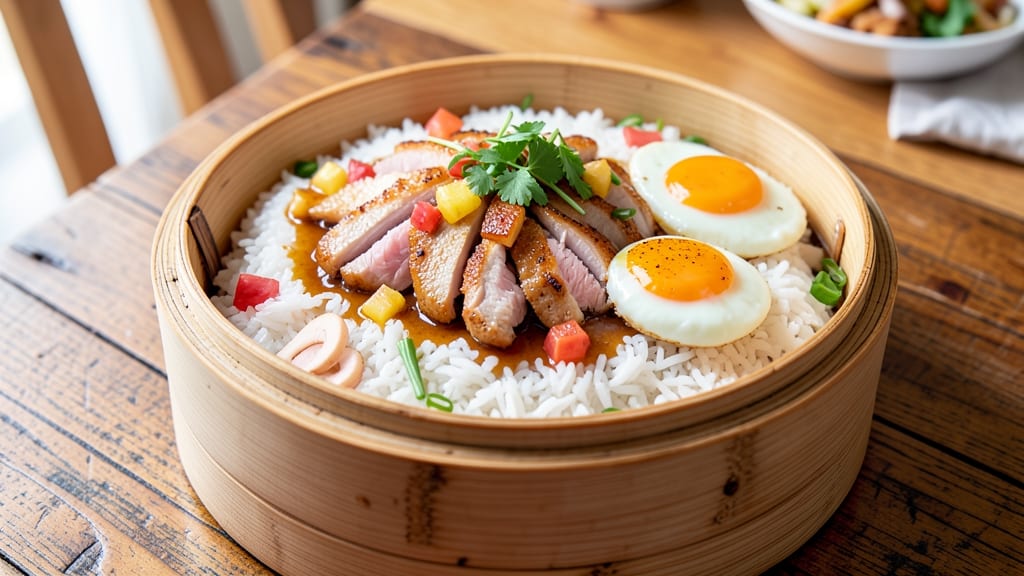
This pork pineapple fried rice recipe transforms a simple weeknight dinner into a vibrant, tropical-inspired feast with minimal effort. The secret lies in balancing sweet pineapple with savory pork and perfectly seasoned rice—all cooked in one pan for a hands-off, flavor-packed meal.
I’ve perfected this dish over years of testing, ensuring every bite delivers that perfect harmony of textures and tastes.
The recipe starts with tender pork strips seared just enough to lock in juices, then caramelized pineapple chunks that add natural sweetness without overpowering. Jasmine rice, cooked to fluffy perfection, soaks up the savory sauce while keeping its distinct texture.
The result? A dish that’s as visually appealing as it is delicious, with golden-brown pork, glossy pineapple, and fragrant rice in every bite.
What makes this recipe stand out is its versatility—it works as a main course for dinner or a satisfying lunch. The one-pan method cuts down on cleanup, and the flavors only get better as they meld together.
Whether you’re feeding a family or meal prepping for the week, this dish delivers restaurant-quality results with minimal fuss.
Garnish with fresh cilantro, a squeeze of lime, or a sprinkle of chili flakes to elevate the presentation and add a bright finish. The combination of sweet, savory, and slightly spicy flavors makes this fried rice a crowd-pleaser, perfect for any occasion. Let’s get cooking!
Ingredients for pork pineapple and rice
Jasmine rice, tender pork, and caramelized pineapple create this tropical one-pan masterpiece.
| Ingredient | Amount | Notes |
|---|---|---|
| Long-Grain Jasmine Rice 🍚 | 2 cups | Uncooked, day-old preferred for texture |
| Boneless Pork Shoulder 🥩 | 1 lb | Thinly sliced against grain |
| Fresh Pineapple 🍍 | 1 ½ cups | Diced, juicy variety preferred |
| Large Eggs 🥚 | 2 whole | Beaten for binding rice |
| Green Onions 🧅 | ½ cup | Sliced, white and green parts |
| Fresh Ginger 🧄 | 1 tbsp | Finely grated, aromatic |
| Garlic Cloves 🧄 | 4 cloves | Minced, aromatic |
| Soy Sauce 🍶 | ⅓ cup | Low-sodium preferred |
| Sesame Oil 🫒 | 1 tbsp | Toasted for aroma |
| Vegetable Oil 🫒 | 2 tbsp | High smoke point |
| Salt 🧂 | 1 tsp | Diamond Crystal preferred |
| Black Pepper 🌶️ | ½ tsp | Freshly ground |
| White Pepper 🌶️ | ¼ tsp | For subtle heat |
| Fresh Cilantro 🌿 | ¼ cup | Chopped, for garnish |
| Lime Juice 🍋 | 1 tbsp | Freshly squeezed |
The pork shoulder is key—look for well-marbled cuts at Whole Foods or your local butcher for optimal tenderness. Thinly slice it against the grain to ensure even cooking. Fresh pineapple should be vibrant yellow with no brown spots; Dole or Del Monte brands from the produce section work well. For the rice, jasmine varieties from Asian markets have the best fragrance and texture. Pre-cook the rice slightly underdone (about 90% cooked) for better texture when stir-frying.
No fresh ginger? Ground ginger at half the amount works in a pinch, though fresh is ideal. Substitute pork with chicken thigh strips for a lighter option, though pork delivers the best texture here. For pineapple, canned pineapple tidbits (drained) can replace fresh, but add an extra tablespoon of lime juice to balance sweetness. The sesame oil adds depth—Kadoya brand is reliable, or toast your own seeds for a fresher taste. If you lack white pepper, black pepper plus a pinch of nutmeg mimics the effect.
Store prepped pineapple in airtight containers for 3 days in the fridge. Cooked rice reheats beautifully—microwave with a splash of water for 1-2 minutes to restore moisture. Garnishes like cilantro and lime should be added fresh before serving. The dish keeps well for 2 days refrigerated, though flavors peak on day one. For meal prep, portion into containers with a layer of plastic wrap pressed against the rice to prevent drying.
Why You'll Love This Recipe
- One-Pan Magic: I swear by this recipe when I’m too tired to wash dishes. The pork, pineapple, and rice all cook together—no separate pots, no extra straining—just one skillet where everything mingles into golden perfection.
- Sweet-Savory Balance: That first bite? The caramelized pork meets the bright tang of fresh pineapple, then the fluffy jasmine rice soaks it all up. It’s the kind of dish where every mouthful feels like a little vacation—no heavy spices, just pure, satisfying harmony.
- Lunches for Days: Between us, this is my meal prep MVP. Cook a big batch, and you’ve got leftovers that taste just as good cold the next day—perfect for packed lunches. The eggs add protein, so it keeps you full, and the rice stays light even reheated.
- Budget-Friendly Feast: Pork shoulder stretches across plates, pineapple adds freshness without breaking the bank, and jasmine rice fills bowls generously. Honestly, it’s the kind of meal where you can feed four people for what you’d spend on takeout for two. Plus, the green onions add that fresh pop for almost no cost.
Step-by-step instructions for tropical pork pineapple fried rice
This one-pan method delivers restaurant-quality fried rice with perfect texture and vibrant flavors.
Prep and Cook the Pork
Slice the 1 lb boneless pork shoulder against the grain into thin strips—about ¼-inch thick. Heat 2 tablespoons vegetable oil in a large wok or skillet over medium-high heat until shimmering. Add the pork in a single layer and cook undisturbed for 2-3 minutes until the edges turn opaque and slightly crispy.
Stir the pork pieces and continue cooking for another 2-3 minutes until they're fully cooked through and no longer pink in the center. Remove the pork with a slotted spoon and set aside on a plate. The pork should be tender but still hold its shape—overcooking will make it rubbery. Keep the rendered fat in the pan for maximum flavor.
Sauté Aromatics and Pineapple
In the same pan, add 1 tablespoon vegetable oil if needed to maintain a thin layer of fat. Add the 4 cloves minced garlic and 1 tablespoon finely grated fresh ginger, stirring constantly for 30 seconds until fragrant but not browned. Add the 1.5 cups diced fresh pineapple and cook for 2 minutes until the pineapple softens slightly and releases its juices.
Here's the thing—don't overcook the pineapple or it'll turn mushy. You want it to retain just enough bite to contrast with the tender pork. If the pan starts to dry out, add 1 tablespoon water and let it evaporate before proceeding. The pineapple should glisten slightly from its natural juices.
Scramble the Eggs and Add Rice
Push the pineapple mixture to one side of the pan and add the 2 whole beaten large eggs to the empty space. Scramble the eggs quickly over medium heat for 30-45 seconds until just set but still slightly moist. Remove the eggs from the pan and set aside temporarily.
Add the 2 cups uncooked long-grain jasmine rice (use day-old rice if possible—it fries better) to the pan. Stir to coat the rice in the pineapple mixture and any remaining fat. Cook for 1-2 minutes until the rice becomes translucent at the edges. This step is crucial—it prevents the rice from becoming mushy during the final stir-fry.
Combine and Season
Return the pork, scrambled eggs, 0.33 cup soy sauce, 1 tablespoon sesame oil, 1 teaspoon salt, 0.5 teaspoon black pepper, and 0.25 teaspoon white pepper to the pan. Stir-fry everything together over high heat for 3-4 minutes, breaking up any rice clumps as you go. The rice should begin to develop a slightly crispy texture at the edges.
Add 0.5 cup sliced green onions and 1 tablespoon freshly squeezed lime juice, tossing everything together for another 1-2 minutes. The lime juice brightens the flavors and cuts through the richness. Taste and adjust seasoning—you might need a bit more soy sauce if the dish tastes bland. The rice should be hot, slightly crispy in spots, and well-coated with the pineapple and pork mixture.
Finish and Garnish
Remove the pan from heat and let the fried rice rest for 1 minute. This brief resting period allows the flavors to meld together. Garnish immediately with 0.25 cup chopped fresh cilantro and serve while hot. The dish should have vibrant colors—bright yellow rice, pink pork, and golden pineapple pieces—with an aromatic blend of sweet, savory, and citrusy flavors.
For best results, serve this tropical fried rice immediately while the rice maintains its texture. If storing, refrigerate and reheat in a skillet over medium heat with a splash of water to restore crispiness. The dish makes 4 generous servings—perfect for sharing or meal prep.
Pro Tips For Making Pork Pineapple And Rice
- CUT PORK IN EVEN STRIPS: After slicing the pork shoulder, resist the urge to eyeball it—use a ruler or measuring tape to cut ½-inch-wide strips. Uneven pieces cook at different rates, and you’ll end up with some rubbery while others turn to mush. (Yes, I’ve done it. Twice.)
- USE COLD PINEAPPLE: Slice the pineapple right before cooking and let it sit in cold water for 10 minutes. The cold water tightens the fibers so it releases sweetness instead of turning to mush when it hits the pan. I learned this the hard way when my pineapple turned into a sad, watery puddle.
- STEAM RICE FIRST: Cook the jasmine rice separately and let it sit covered for 10 minutes after turning off the heat. This keeps it fluffy and separate for mixing later—no one wants a gluey pork-pineapple-rice blob. (I used to skip this and always regretted it.)
- SEAR PORK IN BATCHES: Don’t crowd the pan when searing the pork—work in single layers with space between pieces. This guarantees a proper crust instead of steaming. If you’re impatient like me, use a nonstick skillet and lower the heat slightly to avoid burning before browning.
Pro cooking tips for perfect results
Perfect Pork Searing
Slice pork shoulder against the grain into ¼-inch strips for maximum tenderness. Use a sharp chef’s knife—I recommend the Mercer Culinary Genesis—to ensure clean cuts.
Sear pork in medium-high heat for 2-3 minutes undisturbed until edges crisp. Overcrowding the pan lowers temperature and steams the pork instead of searing. 🔥
Remove pork when it reaches 145°F internal temperature—use an instant-read thermometer like Thermoworks Smoke for accuracy. Let it rest 2 minutes before mixing back into the pan. This resting time prevents juices from leaking out when you combine everything later.
Pineapple Texture Control
Fresh pineapple should be diced into ½-inch pieces—smaller pieces cook faster and release more juice. Cook pineapple for only 2 minutes to maintain a slight bite. Overcooking turns it mushy, which throws off the dish’s balance of textures.
If your pan dries out, add 1 tablespoon water and let it evaporate completely before adding rice.
For extra caramelization, toss pineapple with 1 teaspoon brown sugar before cooking. This enhances sweetness and adds depth to the sauce. I like using Dole Gold pineapple—its juiciness keeps the fried rice moist without making it soggy. 🍍
Rice Prep Secrets
Use day-old jasmine rice for best results—it’s drier and absorbs flavors better. If using freshly cooked rice, spread it on a tray and refrigerate for 30 minutes to dry it out slightly.
This prevents a gummy final texture. Stir-fry rice over high heat for 1-2 minutes until edges become translucent before adding other ingredients.
For extra crispiness, add 1 teaspoon toasted sesame seeds to the pan while cooking the rice. These seeds add texture and aroma. I also recommend using basmati rice if jasmine isn’t available—it holds up well to stir-frying and has a similar nutty flavor.
Egg Scramble Mastery
Scramble eggs over medium heat for 30-45 seconds until just set but still slightly runny. Overcooking makes them dry and rubbery. Push eggs to one side of the pan while cooking pineapple to maintain even heat distribution. Remove eggs temporarily—they’ll reabsorb heat when mixed back in later.
For extra richness, add 1 tablespoon heavy cream to the beaten eggs before scrambling. This creates a velvety texture that balances the dish’s bold flavors. I also like adding a pinch of white pepper to the eggs for subtle warmth. 🥚
Sauce Balance Tips
Start with ⅓ cup soy sauce but taste as you go—add more if needed. The pineapple’s natural sweetness should complement, not overpower, the savory flavors. Balance with 1 tablespoon lime juice at the end to brighten the dish.
If the fried rice tastes too salty, add 1 teaspoon honey to mellow the flavors.
For depth, add 1 teaspoon fish sauce (like Red Boat) to the soy sauce mixture. This umami boost elevates the dish without overpowering the tropical flavors. I also recommend finishing with ½ teaspoon toasted chili oil for a smoky kick. 🌶️
Nutrition facts
Frequently asked questions
Can I use canned pineapple instead of fresh?
Yes, but with one key adjustment! Use 1 (20 oz) can of pineapple tidbits (drained well) and add an extra 1 tablespoon lime juice to balance the sweetness. Fresh pineapple has more natural juices that help create the perfect sauce, so you might need to add 1 tablespoon water if the rice seems dry during cooking.
What's the best rice for this recipe?
Jasmine rice is ideal for its fragrant aroma and slightly sticky texture, but basmati works too. For best results, use day-old rice—it's drier and absorbs flavors better. If using freshly cooked rice, spread it on a tray and refrigerate for 30 minutes to dry it out slightly before stir-frying. Never use sticky rice varieties like sushi rice.
How do I fix mushy pineapple in the fried rice?
This happens when pineapple cooks too long. To prevent it, cook pineapple for only 2 minutes and use ½-inch pieces (smaller pieces cook faster). If it's already mushy, drain excess liquid before adding to the pan. For extra texture, add 1 teaspoon cornstarch mixed with 1 tablespoon water to the pineapple before cooking.
Can I make this dish in a slow cooker?
Not recommended—fried rice relies on quick, high-heat cooking to get that perfect texture. However, you can make a similar version by cooking the pork and pineapple separately, then combining with pre-cooked rice in a skillet for 3-4 minutes to crisp everything up. The slow cooker would make the rice too soft and watery.
What's the best way to reheat leftovers?
Reheat in a skillet over medium heat with 1 tablespoon water for 2-3 minutes until hot. Avoid microwaving—it makes the rice soggy. For extra crispiness, add ½ teaspoon sesame oil while reheating. Store leftovers in airtight containers for up to 2 days, though flavors peak on day one.