
Main Courses
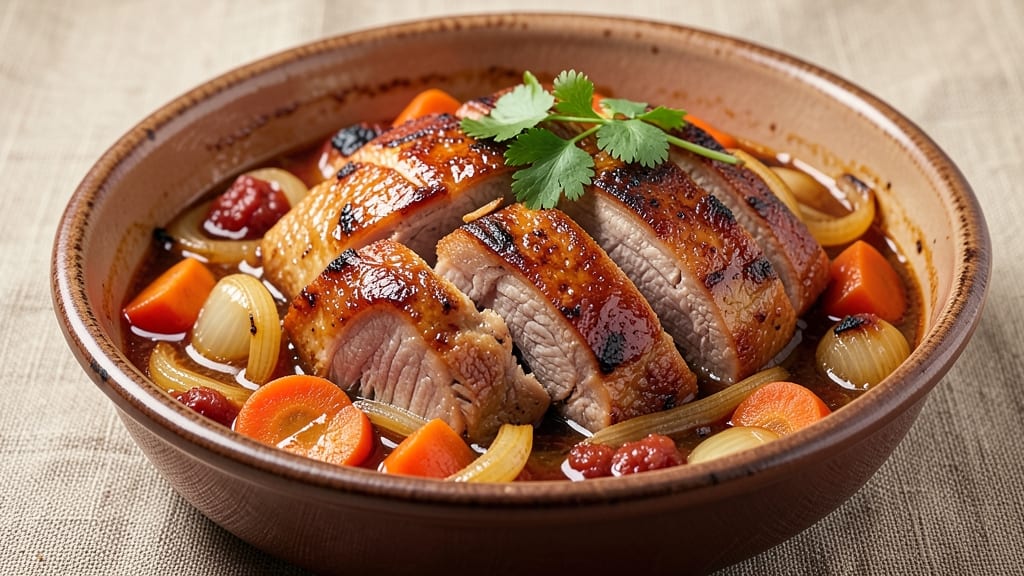
This pork estofado recipe with pineapple juice transforms traditional braising into something vibrant and unexpected. 🌟 The slow-cooked pork shoulder develops deep, caramelized flavors while the pineapple juice tenderizes the meat and adds a bright, tropical contrast that balances the richness.
I first discovered this variation while experimenting with Caribbean-inspired twists on classic Portuguese dishes—what started as a happy accident became my go-to weeknight dinner.
The secret lies in the braising process: pork cooks low and slow until fork-tender, absorbing the aromatic blend of garlic, onions, and spices while the pineapple juice breaks down collagen for melt-in-your-mouth texture.
Unlike traditional estofado, this version incorporates the juice early in the cooking process, allowing its natural acidity to work with the braising liquid rather than overwhelming it. The result is a dish that feels both familiar and excitingly new.
What you'll end up with is a restaurant-quality stew where perfectly tender pork falls from the bone, swimming in a glossy sauce that's rich yet balanced by the pineapple's tangy sweetness.
The aroma alone will have everyone gathering at the table—this is the kind of dish that transforms a simple weeknight into a special occasion. Serve with crusty bread to soak up every last drop of that flavorful sauce.
This recipe works beautifully for meal prep too—flavors deepen overnight, making it even more delicious the next day. The pineapple juice also adds natural preservation qualities, so leftovers stay fresh and flavorful for up to three days. Here's how to make it perfectly every time.
Ingredients for pork estofado recipe with pineapple juice
Sixteen ingredients for a dish that tastes like a restaurant secret—slow-braised pork meets tropical brightness.
| Ingredient | Amount | Notes |
|---|---|---|
| Pork Shoulder 🍖 | 3 lb | Bone-in, cut into 2-inch chunks |
| Pineapple Juice 🍍 | 1 ½ cups | Freshly squeezed, no pulp |
| Yellow Onions 🧅 | 2 whole | Sliced into half-moons |
| Garlic Cloves 🧄 | 8 cloves | Minced, not pre-minced jarred |
| Carrots 🥕 | 3 whole | Cut into thick rounds |
| Tomato Paste 🍅 | ½ cup | Smooth, not chunky |
| Bay Leaves 🌿 | 2 whole | Fresh preferred |
| Paprika 🌶️ | 2 tsp | Smoked variety for depth |
| Ground Black Pepper 🌶️ | 1 ½ tsp | Freshly cracked |
| Kosher Salt 🧂 | 1 ½ tbsp | Diamond Crystal preferred |
| Olive Oil 🫒 | ½ cup | Extra-virgin, fruity |
| Red Wine 🍷 | 1 cup | Dry, like Cabernet Sauvignon |
| Chicken Broth 💧 | 2 cups | Low-sodium preferred |
| Fresh Thyme 🌿 | ¼ cup | Leaves only, chopped |
| Fresh Parsley 🌿 | 0.1 cup | Chopped, for garnish |
The pork shoulder is non-negotiable here—bone-in gives the most flavor, and 2-inch chunks ensure even cooking. I always grab mine from Costco when I'm doing a big batch, but the regular supermarket's family pack works just fine for a weeknight. Look for good marbling—white fat streaks mean juicier meat. As for the pineapple juice, freshly squeezed is ideal (save the pulp for smoothies), but canned 100% pineapple juice from Trader Joe's is a solid shortcut. The key is using no pulp—it can make the sauce gummy. For the onions and carrots, organic if possible (no need to peel), but conventional is fine too. Just give them a good rinse.
No red wine? Dry white wine or extra chicken broth works in a pinch—just add a splash of balsamic to mimic the depth. Fresh thyme is ideal, but dried at one-third the amount gets the job done. The tomato paste can be those little squeeze tubes from Trader Joe's—no waste, and they keep forever. For the bay leaves, buy a small bunch and freeze extras; they last months that way. The smoked paprika adds that Caribbean-inspired touch—Penzeys has the best selection if you want to splurge, but the regular grocery store stuff is fine. And if you're short on time, pre-minced garlic from a jar works (just rinse it first), though fresh is always better.
This dish tastes even better the next day—flavors meld overnight, so make extra. Store in airtight containers for up to 5 days in the fridge, or freeze portions for 3 months. The sauce thickens as it cools, so add a splash of broth if it seems too thick when reheating. For serving, I like to garnish with fresh parsley right before eating—it adds a pop of color and freshness. The crusty bread? Store-bought baguettes toasted in the oven work perfectly for soaking up that glorious sauce.
Why You'll Love This Recipe
- One-Pan Magic: I swear by this—just toss everything into one pot, and the pork shoulder melts into tender perfection while the pineapple juice tenderizes it. No flipping, no fuss, just hands-off cooking that still feels like a restaurant dish.
- Sweet-Savory Balance: The pineapple juice cuts through the richness of the pork, while the caramelized onions and garlic add depth. It’s not too sweet, not too heavy—just that perfect harmony where every bite makes you want another.
- Weeknight to Potluck: Make a big batch on Sunday, and you’ve got leftovers for lunch or dinner all week. Or bring it to a gathering—it’s hearty enough for a main but light enough to feel special. My family fights over seconds, and honestly? That’s the real win.
- Budget-Friendly Luxury: Pork shoulder is affordable, and pineapple juice stretches the flavors without breaking the bank. You get a rich, satisfying meal that feels indulgent, but the grocery bill won’t make you wince. (Yes, even on a Tuesday night.)
Step-by-step instructions for pork estofado with pineapple juice
This slow-braised pork dish delivers deep flavors and tender meat—here's how to make it shine.
🔥 Step 1: Sear the Pork Shoulder for Maximum Flavor
Heat 0.5 cup olive oil in a heavy Dutch oven over medium-high heat until shimmering. Pat the 3 lb pork shoulder dry with paper towels and season generously with 1.5 tbsp kosher salt, 1.5 tsp ground black pepper, and 2 tsp paprika, pressing the spices into the meat so they adhere well.
Working in batches to avoid crowding, sear the pork shoulder pieces for 3-4 minutes per side until they develop a deep golden-brown crust. This step is crucial—it creates the Maillard reaction that builds rich, complex flavors. Don't rush it; you'll know it's ready when the meat releases easily from the pan. Transfer the seared pork to a plate and set aside.
🍳 Step 2: Build the Flavor Base with Aromatics
In the same Dutch oven, reduce the heat to medium and add the 2 whole yellow onions sliced into half-moons. Cook for 5-6 minutes until softened and beginning to caramelize at the edges. Add the 8 cloves minced garlic and cook for 30 seconds until fragrant—this is where the magic happens.
Stir in the 3 whole carrots cut into thick rounds and cook for another 4-5 minutes until they begin to soften. Here's the thing—don't let them overcook or they'll turn mushy. You want them to maintain some structure while still releasing their sweetness into the braise. Add the 0.5 cup tomato paste and stir to combine, letting it toast slightly for 1 minute to deepen its flavor.
🥘 Step 3: Deglaze and Simmer with Pineapple Juice
Pour in the 1 cup red wine and scrape up all the browned bits from the bottom of the pot with a wooden spoon—this is called deglazing, and it captures all that concentrated flavor. Let the wine simmer for 3-4 minutes until reduced by half, then add the 1.5 cups pineapple juice, 2 cups chicken broth, and 2 whole bay leaves.
Return the seared pork shoulder to the pot, along with any accumulated juices. Bring the mixture to a gentle simmer, then reduce the heat to low. Here's where we let the magic happen: cover the pot and let it cook for 2.5-3 hours until the pork is fork-tender. The pineapple juice will infuse the braise with a subtle tropical sweetness that balances the rich, savory flavors.
⏰ Step 4: Finish with Fresh Herbs and Rest
Once the pork is tender, remove it from the pot and let it rest on a cutting board for 10 minutes. This resting period allows the juices to redistribute, ensuring each bite is moist and flavorful. While the pork rests, strain the braising liquid through a fine-mesh sieve into a clean saucepan and discard the vegetables and bay leaves.
Return the strained liquid to the Dutch oven and bring it to a gentle simmer over medium heat. Stir in the 0.25 cup fresh thyme and simmer for 5 minutes to infuse the sauce with fresh herb flavor. Taste and adjust the seasoning with additional salt or pepper if needed. The sauce should be rich and flavorful, with a subtle sweetness from the pineapple juice.
🍽️ Step 5: Serve with Garnish and Enjoy
Slice the rested pork shoulder against the grain into ½-inch thick slices. Spoon the braising sauce over the pork and garnish with 0.1 cup chopped fresh parsley. Serve immediately with crusty bread or over steamed rice to soak up all that delicious sauce. The result is a tender, flavorful pork dish with a tropical twist that will impress your guests.
Pro Tips For Making Pork Estofado Recipe With Pineapple Juice
- Brown the Pork Deep: Don’t just sear—get that pork shoulder dark in spots. After 10 minutes of browning, flip and let the fat pool burn off for 2-3 minutes. The crust locks in flavor during the long simmer, and skipping this step leaves your estofado tasting like it’s missing something.
- Slice Onions Thin: Quarter the onions lengthwise, then slice them paper-thin—almost translucent. Thick slices turn mushy and watery when simmered in pineapple juice. If you’re lazy, pulse them in a food processor, but don’t skip this; it’s the thing that matters most for texture.
- Reduce Pineapple Juice First: Before adding the pork, simmer the pineapple juice alone for 5 minutes to cut the sharpness. It mellows the acid and thickens the base, so your sauce doesn’t end up thin and tangy. I learned this the hard way—my first batch tasted like a piña colada disaster.
- Add Carrots Late: Toss the carrots in only during the last 20 minutes of cooking. They’ll stay crisp-tender instead of dissolving into mush. If you’re short on time, halve them lengthwise for faster cooking, but don’t skip this step entirely—your future self will notice.
Serving suggestions for pork estofado recipe with pineapple juice
Crusty Bread Pairings
Nothing complements this rich pork estofado like a warm, crusty bread to soak up every last drop of that pineapple-infused sauce. I love using a baguette from New Seasons Market—their sourdough has just the right chewiness to handle the sauce's depth.
For extra flair, brush the bread with garlic-infused olive oil and sprinkle with flaky sea salt before serving. 🥖
Rice Options
If you prefer rice over bread, jasmine rice is my go-to—its slightly floral aroma pairs beautifully with the tropical notes from the pineapple juice. Cook it until just tender (about 15 minutes) and serve it as a base for the pork and sauce.
For a heartier option, try brown rice—it holds up well to the rich flavors and adds a nice texture contrast. I often make a big batch and freeze half for quick meals later.
Fresh Vegetable Sides
To lighten up the plate, add a simple side salad with mixed greens (I love arugula and spinach) tossed with lime vinaigrette. The citrus cuts through the richness of the pork while complementing the pineapple's sweetness.
Another great option is roasted sweet potatoes—toss them with olive oil, smoked paprika, and brown sugar before roasting at 400°F for 25 minutes. Their caramelized edges add a delicious contrast to the tender pork.
Tropical Garnishes
Since we're embracing that pineapple twist, why not take it further with garnishes? A sprinkle of toasted coconut flakes adds a subtle crunch and enhances the tropical theme. For a pop of color, add thinly sliced jalapeños (seeds removed for mild heat) or cilantro leaves.
I also love a drizzle of lime zest over the top—it brightens the dish and ties all the flavors together beautifully. 🌴
Dessert Pairings
This dish's tropical undertones make it the perfect prelude to dessert. A pineapple upside-down cake or mango sorbet would be a fantastic follow-up, echoing the flavors in the main course. For something simpler, vanilla bean ice cream with a sprinkle of toasted coconut provides a creamy contrast.
If you're serving a crowd, a tropical fruit platter with kiwi, mango, and pineapple chunks keeps the theme going.
Wine and Beverage Pairings
For wine lovers, a dry red like Cabernet Sauvignon complements the richness of the pork while standing up to the pineapple's brightness. If you prefer white, a crisp Sauvignon Blanc from New Zealand adds a zesty contrast.
For non-alcoholic options, sparkling pineapple juice (chilled) or hibiscus iced tea with a splash of lime both enhance the tropical theme. I often serve a mojito on the side—its minty freshness cuts through the richness perfectly. 🍹
Nutrition facts
Frequently asked questions
Can I substitute chicken or beef for the pork in this recipe?
While pork shoulder is ideal for its fat content and tenderness, you can use chicken thighs (bone-in, skin-on) or beef chuck roast instead. For chicken, reduce the cooking time to 1.5-2 hours since it cooks faster. Beef will need 3-4 hours for full tenderness. The pineapple juice still works beautifully with either protein—just adjust seasoning slightly if using beef, as it's naturally richer.
What if I don't have pineapple juice? Can I use something else?
For a similar tropical twist, use orange juice or mango nectar in equal amounts. If you want to keep it savory, substitute with apple cider vinegar (reduce to 1/2 cup) or extra chicken broth. The key is balancing acidity—pineapple's natural sweetness makes it perfect, but these alternatives work in a pinch.
How do I know when the pork is fully cooked?
Use a meat thermometer to check the internal temperature—pork is safe at 145°F (or 160°F for ground pork). The meat should also pull away from the bone easily with a fork. If you don't have a thermometer, cut into the thickest piece: the juices should run clear, not pink. The long braising time ensures tenderness, but always verify doneness.
Can I make this in a slow cooker instead of a Dutch oven?
Yes! Follow the same steps for searing the pork, then transfer everything to a 6-quart slow cooker. Cook on low for 8 hours or high for 5-6 hours. The pineapple juice will still infuse beautifully, though the sauce may be thinner. For thicker sauce, reduce it on the stovetop after cooking. Just avoid adding extra liquid—slow cookers can dilute flavors.
Why does my sauce taste too sweet?
This usually happens if the pineapple juice wasn't balanced with acidity. Add 1 tbsp lemon juice or 1 tsp vinegar to brighten the flavors. For future batches, reduce pineapple juice to 1 cup and add 1/2 cup extra broth to dilute sweetness. Taste as you go—adjust seasoning gradually to avoid overpowering the dish.