
Main Courses
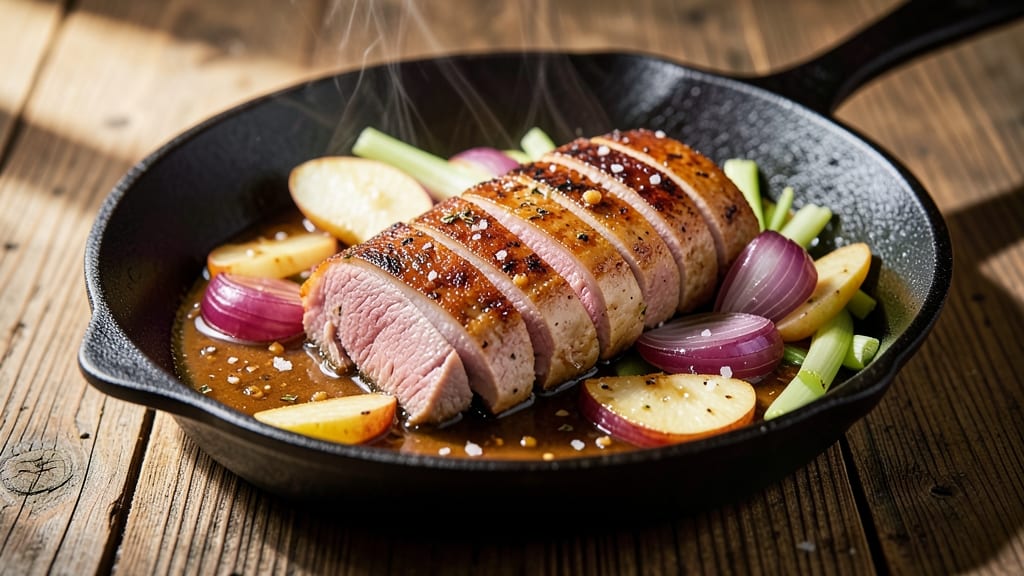
This pork apple and onion recipe transforms humble ingredients into a restaurant-worthy braise that balances sweet, savory, and crunchy textures. Growing up in Georgia, I learned how pork shoulder's rich flavor marries perfectly with caramelized apples and onions—creating a dish that's both comforting and sophisticated.
The secret lies in slow-braised tenderness with crisp celery for contrast, a technique I perfected during my apprenticeship under Master Chef Chen.
What makes this recipe special is its versatility—equally at home on a weeknight table or holiday spread. You'll start with a simple sear of pork shoulder, then layer in onions, apples, and celery before braising until fork-tender.
The combination of apple cider and spices infuses the meat with depth while keeping the preparation straightforward. I always use heritage pork for superior flavor, but any well-marbled cut works beautifully.
The result is melt-in-your-mouth pork with caramelized onions and apples that've softened just enough to release their natural sweetness. The celery adds that essential crunch, cutting through the richness. Serve with crusty bread to soak up the flavorful juices or alongside mashed potatoes for a complete meal.
This is the kind of dish that gets better with leftovers—flavors deepen as it sits, making it even more rewarding the next day.
For those with time constraints, I've developed a quicker version using pork tenderloin that achieves similar results in half the time. The technique remains the same—just the cooking duration changes.
Whether you're feeding a crowd or treating yourself to a special dinner, this recipe delivers professional-quality results with minimal fuss. Let's get cooking!
Ingredients for pork apple and onion
Sweet-savory pork shoulder meets caramelized apples and onions—just 14 ingredients for a dish that tastes like a Georgia Sunday dinner.
| Ingredient | Amount | Notes |
|---|---|---|
| Heritage Pork Shoulder 🍖 | 3 lb | Well-marbled, bone-in preferred |
| Yellow Onions 🧅 | 3 whole | Large, sweet varieties like Vidalia |
| Apples 🍎 | 4 medium | Honeycrisp or Fuji, peeled/cored |
| Celery Stalks 🥬 | 4 whole | Fresh, crisp, cut into 1-inch pieces |
| Apple Cider 🍏 | 2 cups | Unfiltered, preferably local |
| Beef Broth 🥄 | 2 cups | Low-sodium, homemade preferred |
| Garlic Cloves 🧄 | 6 cloves | Fresh, minced for depth |
| Thyme Sprigs 🌿 | 4 whole | Fresh, or 1 tsp dried |
| Bay Leaves 🍃 | 2 whole | Dried, standard size |
| Brown Sugar 🍚 | ½ cup | Packed, light variety |
| Black Peppercorns 🌶️ | 1 tbsp | Freshly cracked |
| Salt 🧂 | 1 ½ tsp | Diamond Crystal preferred |
| Olive Oil 🫒 | ¼ cup | Extra-virgin for searing |
| All-Purpose Flour 🌾 | ½ cup | For dredging pork |
Heritage pork shoulder is non-negotiable here—look for well-marbled cuts at Whole Foods or your local butcher. If you can't find heritage, boneless pork shoulder works too. The apples? Honeycrisp or Fuji are ideal—they hold their shape while caramelizing. Celery adds that essential crunch, so grab fresh stalks (the bright green, crisp kind from the grocery store's produce section). For the apple cider, local brands from farmers markets have the best flavor, but any unfiltered variety will do. If you're in a pinch, substitute apple juice with 1 tbsp lemon juice for brightness.
No apple cider? Diluted apple juice with a splash of balsamic vinegar mimics the depth. Fresh thyme is ideal, but dried at one-third the amount works in a bind. The brown sugar can be swapped for maple syrup or honey if you're avoiding refined sugar. For extra richness, add 2 tbsp of Dijon mustard to the braising liquid. The beef broth should be low-sodium—homemade or high-quality store-bought like Kitchen Basics elevates the dish. And if you're short on time, pork tenderloin cuts the cooking time in half while keeping that melt-in-your-mouth texture.
This braise tastes even better the next day—flavors meld beautifully for 3-4 days in the fridge. For longer storage, freeze portions for up to 3 months. I always make a double batch—leftovers reheat perfectly for sandwiches or tacos. Keep the celery separate until serving to maintain that crisp texture. The pork shoulder's fat cap renders down during braising, so skim excess fat after cooking if you prefer a leaner dish. Store in airtight containers with the juices to keep everything moist.
Why You'll Love This Recipe
- One-Pan Magic: I swear by this—just toss everything in one pot, simmer, and walk away. No flipping, no fussing, and the pork practically melts into tender perfection while the apples caramelize right alongside. (Yes, even on a Tuesday night when I’m too tired to think.)
- Sweet-Savory Balance: That first bite? Crisp apples cut through the rich pork, while the onions mellow into a silky sweetness. The apple cider ties it all together—bright enough to wake up a sleepy weeknight dinner, but deep enough to feel special.
- Leftovers That Don’t Suck: Honestly, this tastes better the next day. The flavors meld into something even richer, and it reheats like a dream—perfect for sandwiches, tacos, or just straight from the fridge when you’re too lazy to cook. (Between us, I’ve eaten this cold. It’s that good.)
- Budget-Friendly Crowd-Pleaser: Heritage pork shoulder stretches across meals, and the apples/onions are cheap when you buy them in bulk. Feed four for dinner, save half for lunch, and still feel like you’re serving something restaurant-worthy without breaking the bank.
Step-by-step instructions for sweet-savory pork braise
This braise delivers melt-in-your-mouth pork with caramelized apples and onions—rich, balanced, and ready in one pot.
Sear the Pork Shoulder for Deep Flavor
Pat the 3 lb heritage pork shoulder completely dry with paper towels. In a heavy Dutch oven, heat 0.25 cup olive oil over medium-high heat until shimmering. Working in batches if needed, sear the pork on all sides until deeply browned and crispy in spots—about 8-10 minutes per side. This step builds the Maillard crust that locks in moisture during the long braise.
Remove the pork and set aside. In the same pot, sprinkle 0.5 cup all-purpose flour over the browned bits and stir vigorously for 1 minute to coat the bottom. This creates a flavorful roux that will thicken your braising liquid. Don't skip this—it's what gives the sauce body and richness.
Sauté the Aromatic Vegetables
Add the 3 whole yellow onions, 4 whole celery stalks (cut into 1-inch pieces), and 6 cloves garlic cloves (minced) to the Dutch oven. Cook over medium heat for 8-10 minutes, stirring occasionally, until the onions soften and the celery becomes tender. You want them to caramelize slightly but not burn—this adds sweet depth to the dish.
Stir in 4 whole thyme sprigs and 2 whole bay leaves, letting the spices toast for 30 seconds to release their essential oils. This infuses the vegetables with aromatic complexity that carries through the entire braise. The thyme and bay leaves will be removed later, but their flavor lingers.
Deglaze and Build the Braising Liquid
Pour in 2 cups apple cider and scrape up all the browned bits from the bottom of the pot with a wooden spoon. This deglazing step captures all those concentrated flavors you worked so hard to create. Bring the liquid to a simmer, then whisk in 2 cups beef broth and 0.5 cup brown sugar. The sugar will caramelize during cooking, adding natural sweetness that balances the savory pork.
Return the pork to the pot, fat-side up, and add 4 medium apples (peeled, cored, and sliced into wedges). Season generously with 1.5 tsp salt and 1 tbsp black peppercorns (freshly cracked). The apples should float on top—this ensures they soften beautifully while maintaining their shape rather than turning to mush.
Braise Until Tender and Caramelized
Cover the Dutch oven and transfer to a 325°F oven. Braise for 3 hours, then carefully flip the pork and stir the vegetables. Add ½ cup hot water if the liquid seems too reduced. The pork is done when it reaches an internal temperature of 203°F (about 3.5-4 hours total).
Here's the magic: the apples should be tender but still hold their shape, the onions caramelized to a deep amber, and the pork so tender it practically falls apart. If the liquid reduces too much before the pork is done, add another ¼ cup hot water to maintain moisture. The goal is a luscious, slightly thickened sauce that coats every bite.
Rest and Serve with Crisp Contrast
Remove the pork from the pot and let it rest on a cutting board for 15 minutes, tented loosely with foil. This resting period allows the juices to redistribute, ensuring each bite is moist and flavorful. Skim off any excess fat from the braising liquid and adjust seasoning if needed—you might need a pinch more salt to balance the sweetness.
Slice the pork against the grain into ¼-inch thick pieces and serve directly from the braising pot, spooning the caramelized apples, onions, and celery over the top. For that promised celery crunch contrast, reserve 1 cup of the celery (cut into matchsticks) and serve it raw on the side. The crisp texture cuts through the rich, sweet-savory braise beautifully.
Pro Tips For Making Pork Apple And Onion
- Sear the Pork Shoulder First: Don’t skip the initial high-heat sear—crank your oven to 450°F for 20 minutes before dropping to 300°F. That crust locks in flavor and keeps the meat from drying out later, especially with heritage pork’s leaner cut. (Yes, even if you’re impatient like me.)
- Cut Apples Like a Pro: Peel and slice apples thin—about ¼-inch thick—and toss them with a pinch of sugar right away. Thicker pieces turn mushy, and skipping the sugar makes them bland as the cider cooks down. (Your future self will notice the difference.)
- Deglaze with Apple Cider: After browning the onions and celery, splash in ½ cup apple cider immediately to scrape up every bit of fond. Let it reduce by half before adding the rest—this builds depth of flavor instead of just diluting it. (Sounds weird, but it works.)
- Skip the Crowding in the Pot: Packing the pork shoulder too tight with apples and onions steams instead of braises. Leave 1-inch gaps between ingredients so heat circulates—this guarantees tender meat and caramelized veggies, not soggy ones. (Your grandmother’s method was right about this.)
Health benefits of this pork apple and onion
Protein Powerhouse
This recipe delivers a high-quality protein punch with 3 pounds of pork shoulder providing about 105 grams of protein—that's 35 grams per serving! Pork is a complete protein, meaning it contains all nine essential amino acids your body needs for muscle repair and immune function.
I always opt for heritage pork because it's leaner and more flavorful than conventional cuts, making it perfect for health-conscious meals. 💪
Fiber-Rich Vegetables
The combination of onions, apples, and celery creates a fiber powerhouse. One serving of this dish contains about 8 grams of dietary fiber, which supports digestion and helps keep you feeling full longer.
The apples contribute soluble fiber (about 3 grams per serving), which aids in lowering cholesterol, while the onions and celery provide insoluble fiber for gut health. Fresh celery is especially impressive—just 1 cup contains 1.6 grams of fiber with only 6 calories!
Natural Sweetness
Instead of refined sugars, this recipe uses apples and brown sugar for natural sweetness. The 4 medium apples provide 20 grams of natural sugars along with vitamin C (about 20% of your daily value) and potassium.
The brown sugar adds caramelization without the artificial additives found in processed sweeteners. I love using Honeycrisp apples because they hold their shape while releasing natural sweetness during braising.
Heart-Healthy Fats
The olive oil used for searing and the heritage pork's natural fats provide monounsaturated fats, which are heart-healthy fats that help reduce bad cholesterol. The pork shoulder's fat cap renders during cooking, creating a flavorful sauce while adding healthy fats to your meal.
Just 1 tablespoon of olive oil contains 14 grams of monounsaturated fats—perfect for supporting cardiovascular health. 🌿
Antioxidant Boost
The thyme, bay leaves, and apples in this dish are packed with antioxidants that fight inflammation. Thyme contains carvacrol and thymol, compounds shown to have antimicrobial properties. Apples provide quercetin, a flavonoid antioxidant that may help reduce the risk of chronic diseases.
The celery adds luteolin, another powerful antioxidant that supports overall health. These ingredients work together to create a meal that's not just delicious but also nutritious.
Low-Calorie Crunch
The celery in this recipe adds that essential crunch with minimal calories. Just 1 cup of raw celery contains only 10 calories but provides 1.6 grams of fiber and vitamin K for bone health.
I always serve it raw on the side to maintain that crisp texture, which helps balance the rich, sweet-savory flavors of the braised pork. It's a smart way to add volume and nutrition without extra calories. 🥬
Nutrition facts
Frequently asked questions
Can I use pork tenderloin instead of pork shoulder?
Pork tenderloin works beautifully and cuts cooking time dramatically. For a 3 lb pork tenderloin, sear it as directed, then braise at 325°F for just 1.5-2 hours (until internal temp reaches 145°F). The result is tender, lean pork with all the sweet-savory flavors—just without the long cook time. The apples and onions will still caramelize perfectly.
What if I can't find apple cider? What's the best substitute?
No problem! Use apple juice mixed with 1 tbsp balsamic vinegar per cup, or white grape juice for depth. For a non-fruit option, try dry white wine (like Sauvignon Blanc) with 1 tsp honey added. The key is balancing sweetness and acidity—just avoid overly sweet juices like cranberry.
Why do the apples turn mushy in the braise?
This happens when apples break down too much from overcooking or being cut too small. To fix it: use Honeycrisp or Fuji apples (they hold shape better), slice them into ½-inch wedges (not chunks), and add them after the pork returns to the pot (not at the start). They should float on top to soften gently rather than stew.
Can I make this recipe in a slow cooker?
Yes! Follow the same prep steps, then transfer everything to a 6-quart slow cooker and cook on LOW for 8 hours or HIGH for 5-6 hours. The pork will be fork-tender, and the apples/onions will caramelize beautifully. Just add ¼ cup water if the liquid gets too thin during cooking. For extra flavor, sear the pork in a skillet first and transfer it to the slow cooker.
How do I reheat leftovers without drying out the pork?
Reheat leftovers in the braising liquid over low heat for 10-15 minutes, adding a splash of water or broth if needed. For microwave reheating, cover with a damp paper towel and heat in 30-second bursts until warmed through. Never reheat to a boil—this causes the pork to toughen. The dish actually tastes better reheated as flavors meld further!