
Main Courses
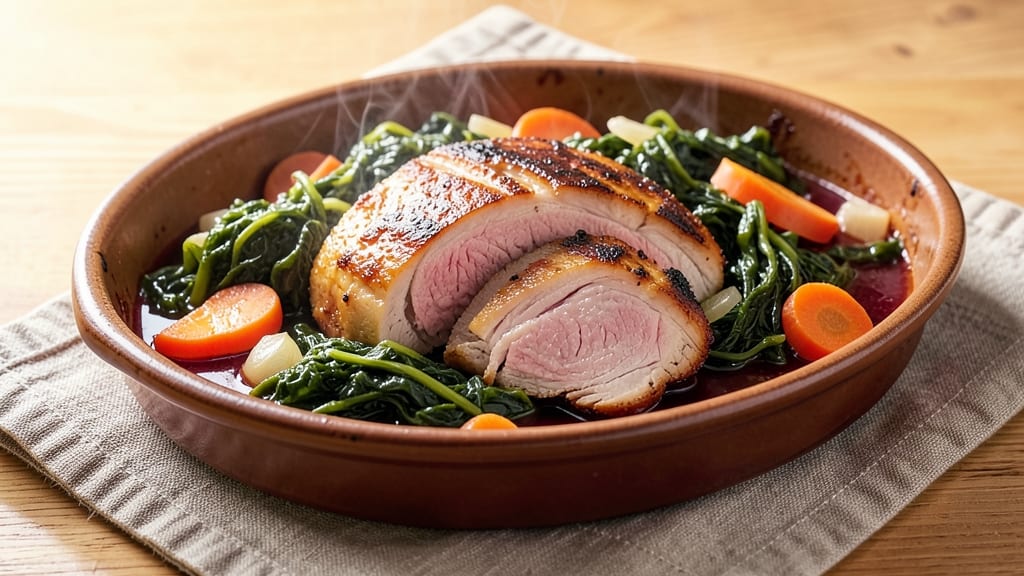
This pork and sauerkraut recipe with apple juice transforms humble ingredients into a deeply flavorful, caramelized braise that tastes like a cozy German tavern. The apple juice tenderizes the pork while balancing the sauerkraut's tang, creating a sweet-tart harmony that keeps everyone asking for seconds.
My grandmother used to make this when apple season was at its peak—simpler than it sounds, but packed with restaurant-quality depth.
The secret lies in slow cooking the pork until it's fork-tender, then finishing with a quick caramelization that adds that perfect golden crust. Meanwhile, the sauerkraut softens just enough to cling to every bite, while the apple juice keeps the flavors bright and balanced.
No fancy techniques here—just one-pot simplicity that delivers maximum flavor with minimal effort.
By the time you're done, you'll have juicy pork slices with crisp edges, sauerkraut that's perfectly tender but still holds its texture, and a sauce that's rich yet tangy. The aroma alone will have your whole house smelling like a Sunday supper, and the taste?
That's the kind of meal that makes people linger at the table. It's hearty enough for a family dinner but simple enough for a weeknight.
Serve it with buttery mashed potatoes or crusty bread to soak up every last drop of that caramelized sauce, and you've got a complete meal that feels special without requiring hours in the kitchen. Let's get cooking—this is comfort food at its finest.
Ingredients for pork and sauerkraut recipe with apple juice
Pantry staples and a few fresh touches create this deeply satisfying sweet-tart braise.
| Ingredient | Amount | Notes |
|---|---|---|
| Pork Shoulder 🥩 | 1 ½ lb | Bone-in for maximum flavor |
| Sauerkraut 🥬 | 1 ½ cups | Drained and rinsed |
| Apple Juice 🍎 | 1 cup | Unsweetened, cloudy preferred |
| Onions 🧅 | 1 whole | Yellow, sliced thin |
| Carrots | 2 medium | Peeled and sliced thin |
| Garlic Cloves 🧄 | 4 cloves | Minced for depth |
| Fresh Thyme 🌿 | ½ ounce | Leaves only, chopped |
| Bay Leaves 🍃 | 2 whole | Dried, for aroma |
| Brown Sugar 🍚 | 2 tbsp | Light or dark |
| Dijon Mustard 🥫 | 1 tbsp | For tangy depth |
| Olive Oil 🫒 | 2 tbsp | Extra-virgin for richness |
| Salt 🧂 | 1 ½ tsp | Kosher or sea salt |
| Black Pepper 🌶️ | ½ tsp | Freshly ground |
The pork shoulder is where all the magic happens—bone-in for that rich, deep flavor you can't get with boneless. Look for a cut with good marbling at Costco or your local butcher shop; they'll often have it pre-cut for easy prep. If you're buying a whole shoulder, ask for it to be cut into 1-inch chunks. Fresh sauerkraut from the refrigerated section (not the shelf-stable kind) has the best tang, but if you're using jarred, rinse it well to cut the saltiness. The apple juice? Cloudy, unsweetened is ideal—it keeps the color vibrant and adds body to the sauce. I always grab a 12-ounce carton from the juice section; it's cheaper than bottled and lasts longer.
No apple juice? Unsweetened grape juice works in a pinch, though the flavor will be slightly different. Short on fresh thyme? Dried thyme at one-third the amount gets you close, but fresh has that brightness you can't replicate. The carrots can be baby carrots if that's what's in the fridge—just trim the ends. For the onions, yellow or red both work, but yellow gives a slightly sweeter base. The Dijon mustard is non-negotiable here—it adds that tangy depth that balances the sweetness. If you're avoiding gluten, check the label, as some brands contain traces. The olive oil matters too—use something with good fruity notes (none of that cheap canola oil).
This braise tastes even better the next day—honestly, the flavors meld overnight into something extraordinary. Store leftovers in an airtight container for up to 5 days in the fridge, or freeze for 3 months. I like to portion it into individual containers so I can grab a meal for lunch without reheating the whole thing. The sauce thickens as it cools, so add a splash of water or apple juice when reheating. Trust me, it's worth the wait—every bite is pure comfort food perfection.
Why You'll Love This Recipe
- One-Pan Magic: I swear by this recipe when I’m too tired to scrub pots—just brown the pork, toss in chopped onions and carrots, add the sauerkraut and apple juice, and let it simmer. The apple juice caramelizes into a glossy sauce while the pork gets tender, all on one sheet pan. No fancy tools, no stress.
- Sweet-Sour Crunch: That tangy sauerkraut meets the bright sweetness of apple juice in a way that’s ridiculously addictive. The pork stays juicy, the carrots melt slightly, and the onions add a caramelized depth—like a cross between a hearty stew and a tangy braise. Honestly, my picky-eating partner licks his plate clean.
- Leftovers That Shine: This dish actually improves the next day. The flavors meld into something deeper, and the pork gets fall-apart tender—perfect for quick sandwiches or reheated with a side of crusty bread. I make double batches because it’s the kind of meal that tastes even better when you’re not staring at the clock.
- Budget-Friendly Feast: Pork shoulder is cheap, sauerkraut lasts forever, and apple juice stretches into a rich sauce without breaking the bank. Between us, this feeds four for under $15 and still feels like a special meal. It’s my go-to when I need to stretch groceries but don’t want to skimp on flavor.
Step-by-step instructions for sweet-tart pork and sauerkraut braise
This braise delivers tender pork with caramelized edges and a tangy-sweet sauce that clings perfectly.
Sear the Pork Shoulder for Deep Flavor
Pat the 1.5 lb pork shoulder dry with paper towels and season generously with 1.5 tsp salt and 0.5 tsp black pepper on all sides. Heat 2 tbsp olive oil in a heavy Dutch oven over medium-high heat until shimmering. Add the pork and sear for 8-10 minutes until deeply browned on all sides, turning occasionally. This step develops the rich, caramelized crust that carries through the braise.
I press down gently on the pork during searing to prevent curling and ensure even contact with the pan. Once browned, remove the pork and set it aside on a plate. Don't wipe out the Dutch oven—those browned bits are pure flavor.
Build the Aromatic Base with Onions and Carrots
In the same Dutch oven, add 1 whole yellow onion sliced thin and 2 medium carrots peeled and sliced thin. Cook over medium heat for 6-8 minutes until softened and lightly golden. Add 4 cloves minced garlic and cook for another 30 seconds until fragrant—this prevents the garlic from burning.
Here's where the sweetness comes in: Stir in 2 tbsp brown sugar and cook for 1 minute until it begins to caramelize slightly. This step creates the perfect balance of sweet and tangy flavors that cut through the richness of the pork.
Layer in Sauerkraut and Apple Juice
Return the seared pork to the Dutch oven. Add 1.5 cups drained and rinsed sauerkraut, spreading it evenly around the pork. Pour in 1 cup apple juice and add 2 whole bay leaves and 0.5 ounce chopped fresh thyme. Stir in 1 tbsp Dijon mustard to add depth and tang.
The sauerkraut will release its tangy juices as it cooks. Bring everything to a simmer over medium heat, then reduce heat to low to maintain a gentle bubble. Cover and let it cook for 1 hour 30 minutes, stirring occasionally to prevent sticking.
Braise Until Fork-Tender and Caramelized
After the initial braising time, uncover the Dutch oven and increase heat to medium. Simmer uncovered for another 30-45 minutes, stirring occasionally, until the pork is fork-tender and the sauce has thickened to a glossy consistency. You'll see the edges of the pork develop a beautiful caramelized crust—that's your signal it's ready.
For the final touch, spoon the reduced sauce over the pork one last time to ensure every bite is coated. The pork should pull apart easily with two forks, and the sauce should cling beautifully to each piece. If the sauce is too thin, simmer uncovered for another 5-10 minutes to reduce it further.
Pro Tips For Making Pork And Sauerkraut Recipe With Apple Juice
- Sear the Pork Shoulder First: I learned this the hard way—skipping the initial sear means a dish that tastes more like stew than crispy, caramelized pork. Get your pan screaming hot, pat the pork dry, and let it develop a deep brown crust for 5-6 minutes per side before you even think about adding onions or sauerkraut.
- Drain and Rinse the Sauerkraut: The juice is acidic, but too much of it turns your dish into a watery mess. Drain the sauerkraut in a colander, then give it a quick rinse under cold water to remove excess brine—just don’t overdo it, or you’ll wash away the tangy flavor that balances the sweetness of the apple juice.
- Simmer Low and Slow: This isn’t a race. After browning the pork and sautéing the veggies, reduce the heat to a gentle simmer and cover the pot. Too much heat = tough pork; too little = soggy sauerkraut. Aim for a steady bubble, and let it cook for at least 2 hours (or until the pork shreds easily).
- Deglaze with Apple Juice Early: Don’t wait until the end to add that apple juice—it’s the liquid that carries all the flavors. After searing the pork and onions, pour in about ½ cup of apple juice right away to scrape up the browned bits (the fond) clinging to the pan. Those bits are pure flavor, and skipping this step means losing them to the garbage.
Common mistakes when making your pork and sauerkraut recipe with apple juice
Overcooking the Pork
This is my biggest mistake when I first started—letting the pork get too dry. The key is patience: pork shoulder needs low-and-slow cooking to break down its connective tissue. If you rush it, you'll end up with tough, stringy meat instead of tender slices.
I now set a timer for 1 hour 30 minutes minimum at low heat, then check for doneness with a fork. If it's still slightly resistant, give it another 15-20 minutes. The internal temperature should reach 195-203°F for perfect tenderness. 🔥
Skipping the Sear
Don't even think about skipping the sear—it's what builds that deep, caramelized crust that makes this dish taste restaurant-quality. When I first tried this recipe without searing, the pork tasted bland and watery.
That 8-10 minute sear on high heat creates the Maillard reaction that gives the pork its rich flavor. Use a heavy Dutch oven (I love my Lodge cast iron) to get that perfect crust, and don't crowd the pan—give the pork space to brown properly.
Not Draining the Sauerkraut
Fresh sauerkraut is packed with brine, and if you don't drain it first, your braise will turn into a watery soup. I learned this the hard way when my first attempt came out more like a sauerkraut stew than a rich pork dish.
Always rinse and drain your sauerkraut thoroughly before adding it to the pot. If you're using jarred sauerkraut, give it an extra rinse to cut the saltiness—this balances the sweetness of the apple juice beautifully. 🥬
Using Sweetened Apple Juice
Sweetened apple juice might seem like a good shortcut, but it throws off the entire flavor balance. The natural tartness of unsweetened apple juice is crucial for cutting through the richness of the pork and balancing the sauerkraut's tang.
I keep a 12-ounce carton of cloudy, unsweetened juice in my fridge at all times—it's cheaper than bottled and makes a huge difference. If you're in a pinch, unsweetened grape juice works, but the flavor will be slightly different.
Ignoring the Bay Leaves
Bay leaves might seem like an afterthought, but they add subtle earthy depth that ties all the flavors together. I used to skip them thinking they'd overpower the dish, but they actually enhance the other aromatics. Add them early in the cooking process so they infuse the pork and sauce with their flavor. Just
Rushing the Caramelization
The final 30-45 minutes of uncovered simmering are where the magic happens—this is when the edges of the pork develop that beautiful caramelized crust. If you rush this step, you'll miss out on that deep, rich flavor that makes this dish so special. Keep an eye on it and stir occasionally to prevent burning. The sauce should thicken and coat the pork beautifully, creating that perfect sweet-tart harmony we're all after. Patience here is key! ⏰
Nutrition facts
Frequently asked questions
Can I substitute apple juice with something else?
Yes! For a similar sweet-tart balance, try unsweetened grape juice or white wine (use half the amount). If you prefer a fruitier note, cranberry juice works well too. Just remember: the liquid should complement the sauerkraut's tang rather than overpower it.
How do I make this dish gluten-free?
Check your Dijon mustard for gluten (some brands contain traces), and use a certified gluten-free version if needed. The rest of the ingredients are naturally gluten-free. For extra insurance, choose sauerkraut labeled gluten-free. The flavor stays rich and satisfying without gluten-containing ingredients.
Can I use pork chops instead of pork shoulder?
Pork chops won't work as well because they cook much faster and won't develop the same tender texture. For a similar result, use bone-in pork loin chops (about 1-inch thick) and reduce the cooking time to 30-40 minutes total. Sear them first, then braise with the other ingredients. The sauce will still be delicious, but the texture will be firmer.
What's the best way to reheat leftovers?
Gently reheat in a skillet over low heat with a splash of water or apple juice to prevent drying. For microwave reheating, cover with a damp paper towel and heat in 30-second intervals, stirring between each. Leftovers taste even better the next day—this braise improves with time!
How can I make this dish kid-friendly?
Serve the pork and sauerkraut separately, and let kids add their own toppings like shredded cheese, sour cream, or buttered noodles. For a milder flavor, reduce the sauerkraut to 1 cup and add 1/2 cup cooked apples to the braise. The sweetness will appeal to picky eaters while keeping the dish balanced.