
Main Courses
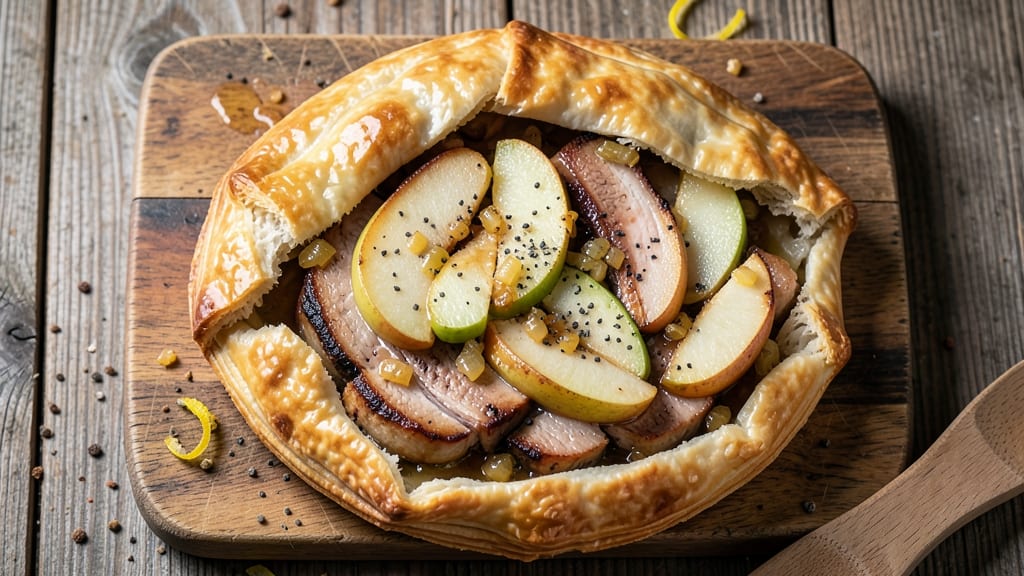
This pork and apple pasty recipe brings the heart of Appalachian cooking to your kitchen table, where flaky crust encases a perfect balance of savory pork and sweet apples.
Growing up in small-town Georgia, I learned that a pasty isn’t just a meal—it’s a tradition, a way to stretch a little meat and fruit into something deeply satisfying.
The secret lies in the dough’s crisp layers and the filling’s harmony of salted pork, tart apples, and warm spices that bake into a tender, juicy center.
The magic happens in the 30-minute bake, where the crust turns golden and the filling transforms from raw ingredients into something rich and comforting. Unlike store-bought pasties, this recipe delivers that restaurant-quality flakiness—thanks to a cold butter dough that layers like pages in a book.
The filling isn’t just about the pork; it’s the apples that bring sweetness to cut through the salt, while onions and spices deepen every bite. This is the kind of dish that tastes even better the next day, reheated with a side of apple cider.
What makes this recipe stand out is its versatility—swap the apples for pears, or add a pinch of cinnamon if you prefer a sweeter profile. The foolproof folding technique ensures your pasties stay sealed while baking, and the dough’s simplicity means you won’t need to spend hours prepping.
Whether you’re feeding a family or prepping for a picnic, this pasty delivers on flavor, texture, and nostalgia. Let’s get to the dough.
Once you try this, you’ll understand why pasties were a staple for miners and farmers alike—they’re hearty, portable, and packed with flavor. The crust’s crisp edges contrast perfectly with the tender filling, making every bite worth the effort.
Store leftovers in the fridge for up to 5 days, or freeze for a quick meal on busy nights. This is comfort food at its finest, and it starts with a simple dough and a handful of ingredients you likely already have.
Ingredients for pork and apple pasty
These simple, rustic ingredients create the perfect balance of flaky crust and savory-sweet filling.
| Ingredient | Amount | Notes |
|---|---|---|
| All-Purpose Flour 🌾 | 3 ½ cups | Sifted for flaky layers |
| Cold Unsalted Butter 🧈 | ¾ cup | Cut into small cubes |
| Salted Pork Shoulder 🐖 | 1 lb | Diced into small pieces |
| Granny Smith Apples 🍎 | 2 medium | Peeled and diced small |
| Yellow Onion 🧅 | 1 medium | Diced into small pieces |
| Ground Black Pepper 🌶️ | ½ tsp | Freshly cracked |
| Ground Nutmeg 🌿 | ¼ tsp | Freshly grated |
| Ground Allspice 🌶️ | ½ tsp | For warm spice depth |
| Ice Water 💧 | ¼ cup | For dough elasticity |
| Coarse Sea Salt 🧂 | 1 tsp | For dough and filling |
| All-Purpose Flour (extra) 🌾 | ¼ cup | For dusting work surface |
The butter is non-negotiable here—cold cubes create those signature flaky layers. Store-brand butter works just as well as name brands, but make sure it's unsalted. The salted pork shoulder should have good marbling for juiciness. Costco or Walmart usually carry it pre-cut, but if you're buying a whole shoulder, ask the butcher to dice it for you. Granny Smith apples are ideal for their tartness, but Fuji or Honeycrisp work too. Just make sure they're firm and free of bruises—no one wants mushy filling. The onions should be sweet, not bitter, so yellow or white work best here.
No salted pork? Substitute with smoked bacon—just drain it well and chop it small. Running short on apples? Pears or peaches add a lovely twist, though they'll change the flavor profile. The spices are key—if you can't find allspice, cinnamon and cloves mixed will get you close. For the dough, don't skip the ice water—it keeps the butter from melting too fast and gives you that perfect flaky texture. Need to make this gluten-free? Substitute the flour with a 1:1 gluten-free blend, but expect a slightly denser crust.
The dough keeps best in the fridge for 2 days wrapped tightly in plastic, or 3 months frozen between parchment paper. The filling can be prepped ahead and stored in the fridge for 1 day before baking. Once baked, these pasties reheat beautifully—just wrap them in foil and warm in a 350°F oven for 15 minutes. I always make a double batch—one for dinner, one to freeze for lazy days. The crust stays crisp even after reheating, which is basically a miracle in comfort food.
Why You'll Love This Recipe
- No-Fuss Dough: I swear by that cold butter trick—it makes the crust flaky without any fuss. You don’t even need a food processor; just rub it into the flour with your fingers until it looks like crumbs. That’s how I roll when I’m tired but still want something impressive.
- Sweet-Savory Magic: Granny Smiths cut through the saltiness of the pork shoulder like a knife through butter. The onions caramelize just enough to add depth, but it’s that crispy, golden crust sealing in all the juices that makes it ridiculously good.
- Picnic to Potluck: Between us, this is my go-to for tailgates, office parties, or when my book club wants snacks. It reheats beautifully—just pop it in the oven for 10 minutes—and the apples stay tender. (Yes, even on a Tuesday night.)
- Budget-Friendly Feast: Pork shoulder is cheap, apples last forever, and you’re using basic pantry staples. One pasty feeds four, and leftovers? They’re even better the next day—if there are any. My kids fight over them, honestly.
Step-by-step instructions for pork and apple pasty
Here's how to create a golden, flaky crust that perfectly hugs the tender pork and sweet-tart apple filling.
Make the Flaky Dough
In a large mixing bowl, combine the 3.5 cups all-purpose flour and 1 teaspoon coarse sea salt. Cut in the 0.75 cup cold unsalted butter using a pastry cutter or your fingers until the mixture resembles coarse crumbs with pea-sized butter pieces. The butter should be cold but workable - if it's too hard, let it sit at room temperature for 10 minutes.
Gradually add the 0.25 cup ice water, 1 tablespoon at a time, mixing gently with a fork until the dough just comes together. Be careful not to overwork it - you're looking for a soft, slightly sticky dough that holds together when pressed. Turn it out onto a lightly floured surface and knead just 5-6 times until smooth. Wrap in plastic and refrigerate for at least 30 minutes while you prepare the filling.
Prepare the Savory-Sweet Filling
In a large skillet, cook the 1 lb salted pork shoulder over medium-high heat for 8-10 minutes, breaking it into small pieces with a wooden spoon until the fat begins to render and the meat loses its raw pink color. Remove the pork and set aside, leaving the fat in the skillet.
In the same skillet, add the 1 medium yellow onion and cook for 5 minutes until softened. Add the 2 medium Granny Smith apples, diced small, and cook for another 5 minutes until the apples begin to soften and release their juices. Stir in the 0.5 teaspoon ground black pepper, 0.25 teaspoon ground nutmeg, and 0.5 teaspoon ground allspice, mixing well to combine. Return the pork to the skillet and stir to coat everything in the spices and juices. Let the mixture cool slightly while you roll out the dough.
Assemble the Pasty
On a lightly floured surface, roll out the chilled dough into a 12-inch circle, about 1/8-inch thick. Pile the warm pork and apple filling onto one half of the dough, leaving a 2-inch border around the edges. Fold the opposite edge of the dough over the filling, pressing gently to seal. Trim any excess dough from the edges with a sharp knife, then crimp the edges decoratively using your fingers or a fork.
Place the pasty on a parchment-lined baking sheet and brush the top with a little beaten egg (optional, for extra shine). Cut 4-5 small slits in the top to allow steam to escape during baking. This prevents the pasty from bursting open while creating a beautiful, rustic appearance.
Bake to Golden Perfection
Preheat your oven to 375°F. Bake the pasty for 45-50 minutes until the crust is deep golden brown and the filling is bubbling through the slits. The internal temperature should reach 165°F when measured in the center of the filling.
For the crispiest crust, I like to increase the oven temperature to 425°F for the last 10 minutes of baking. This creates that beautiful caramelized color and crisp texture we're after. Let the pasty rest for 10 minutes before slicing - this allows the juices to redistribute and makes for easier cutting.
Pro Tips For Making Pork And Apple Pasty
- Pre-Cook the Pork: DESCRIPTION: Brown the salted pork shoulder in a cold pan first—no oil needed. The fat will render and crisp the edges, giving your pasty that deep, savory base without drying out the meat later. I used to skip this, and the filling always tasted flat.
- Peel and Core Apples: DESCRIPTION: Granny Smiths stay firmer when peeled, but don’t skip coring—whole chunks turn mushy in the oven. Cut them into ½-inch pieces and toss with a pinch of salt to keep them bright. (Yes, even if you’re impatient like me.)
- Chill the Dough: DESCRIPTION: Roll out the butter-flour dough between two sheets of parchment, then fold it like a letter and refrigerate for 20 minutes. This prevents shrinking and makes sealing the edges easier. I learned this the hard way after my first pasty looked like a sad deflated balloon.
- Vent the Top: DESCRIPTION: Cut a small X in the dough before baking—steam needs an escape, or your pasty will burst like an overstuffed sausage. Use a sharp knife and don’t overdo it; just enough to let air out. (Your future self will thank you.)
Flavor customization for this dish
Sweet-Tart Apple Variations
Swap the Granny Smith apples for Honeycrisp or Braeburn if you prefer a sweeter profile—they caramelize beautifully while baking. For a winter twist, try crabapples (peeled and diced) with a pinch of cinnamon—their tartness balances the pork perfectly.
I once used pear slices instead, adding ½ tsp lemon zest to keep the filling bright. 🍎
Savory Pork Substitutes
No salted pork? Smoked bacon works beautifully—just drain it well and chop it small. For a game-day crowd, try pulled pork (shredded and warmed) mixed with ½ cup barbecue sauce.
A vegetarian version? Use mushrooms and lentils sautéed in pork fat (or olive oil) with the same spices. The key is keeping the filling juicy and flavorful.
Spice Level Adjustments
Love heat? Add ½ tsp cayenne to the filling for a smoky kick. Prefer warmth over spice? Boost the nutmeg to ½ tsp and add ¼ tsp ginger. For a rustic touch, sprinkle dried thyme directly on the dough before baking—it infuses the crust with earthy notes.
I often double the allspice for a deeper, almost cinnamon-like depth.
Herb & Cheese Additions
Fold in ½ cup shredded sharp cheddar into the filling for a gooey center. Fresh herbs like thyme or rosemary (chopped) add brightness—just add them with the apples. For a Southern twist, mix in ½ cup cooked grits with the pork for a creamy texture.
The cheese melts into the filling, creating pockets of richness that make every bite irresistible. 🧀
Gluten-Free & Crust Swaps
For a gluten-free crust, replace the all-purpose flour with a 1:1 gluten-free blend (like Bob’s Red Mill). The dough will be slightly denser, so chill it 45 minutes longer. Want a crispier crust?
Roll out the dough ⅛-inch thick and bake on a preheated pizza stone. For a savory twist, brush the crust with garlic-infused olive oil** before baking—it adds a subtle, aromatic depth.
Nutrition facts
Frequently asked questions
Why does the dough need to be cold for the flaky crust?
The cold butter in the dough creates those signature flaky layers by melting slowly in the oven. When the butter stays solid until the oven heats up, it creates steam pockets between the dough layers, resulting in a light, crisp texture. If your butter gets too warm, the layers won't separate properly, and you'll end up with a tougher crust.
Can I make this recipe without a pastry cutter?
Use your fingers to work the cold butter into the flour until it resembles coarse crumbs. Just be gentle—you don't want to melt the butter or overwork the dough. A fork works too if you're in a hurry. The key is keeping everything cold until it hits the oven.
How do I prevent the pasty from leaking filling while baking?
Seal the edges tightly when folding the dough, and cut small steam vents in the top before baking. Avoid overfilling—leave that 2-inch border around the edges for structural integrity. If the filling threatens to escape, press the edges more firmly or add a bit of extra dough to reinforce them. A well-sealed pasty should hold together beautifully.
What's the best way to reheat leftover pasty?
Wrap the pasty in foil and warm it in a 350°F oven for 15 minutes to restore its crisp edges and keep the filling tender. For a quick fix, pop it in the microwave for 20-30 seconds**—just cover it loosely with a damp paper towel to prevent drying. The oven method preserves texture better, though!
Can I make mini pasties instead of one large one?
Yes! Divide the dough into 4 equal pieces and roll each into a 6-inch circle. Fill with about ¼ of the filling mixture, fold, and crimp the edges. Bake at 375°F for 30-35 minutes—they'll be perfect for appetizers or picnic snacks. Mini pasties freeze beautifully too!