
Sauces & Condiments
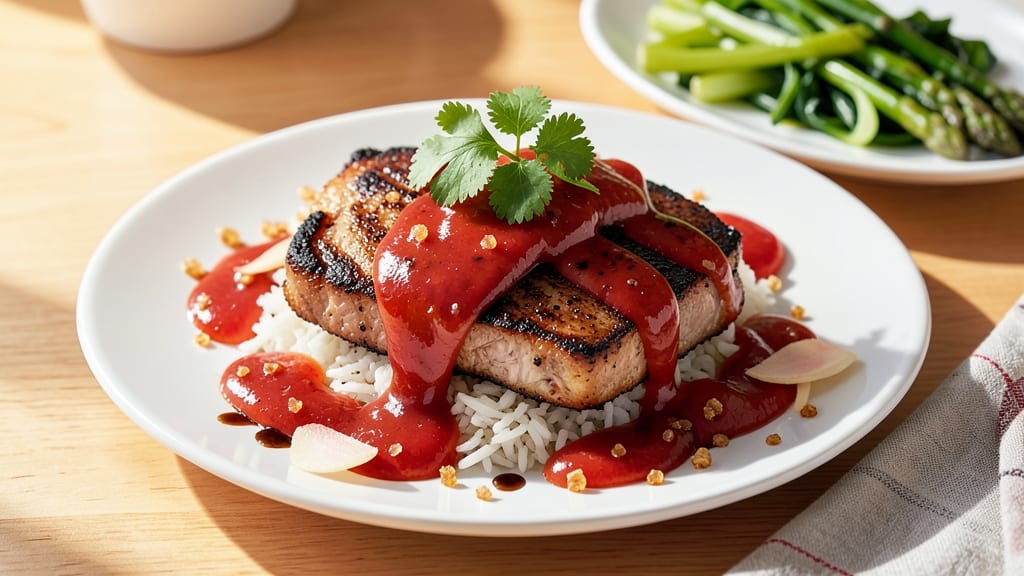
This pineapple pork sauce recipe transforms ordinary pork into a restaurant-worthy masterpiece with its perfect balance of sweet, tangy, and umami flavors. 🌟 The secret lies in simmering pineapple juice with just the right amount of brown sugar, vinegar, and a touch of ginger—creating a glaze that caramelizes beautifully while clinging to every bite of grilled pork chops, ribs, or stir-fry.
I developed this sauce after years of experimenting with marinades that promised bold flavors but often fell flat, and this version never disappoints.
The sauce’s magic comes from its simplicity: just five core ingredients combine to create a complex, sticky-sweet glaze that enhances pork’s natural richness without overpowering it. The brown sugar caramelizes during simmering, adding depth, while the vinegar cuts through the sweetness, creating that signature tangy brightness.
A splash of soy sauce ties everything together, ensuring the sauce works equally well as a marinade, glaze, or dipping sauce.
What you’ll end up with is a glossy, aromatic sauce that transforms plain pork into something irresistibly flavorful. The caramelized edges on your pork will be sticky and sweet, while the sauce’s tangy finish keeps each bite balanced.
This isn’t just a sauce—it’s the difference between a good meal and a showstopper.
Perfect for grilled pork chops, slow-cooked ribs, or stir-fried pork slices, this sauce also stores well in the fridge for up to two weeks. Double the batch and keep it on hand for spontaneous weeknight dinners or weekend barbecues. Here’s how to make it—your taste buds will thank you.
Ingredients for pineapple sauce recipe for pork
Five ingredients, one game-changing sauce that turns pork into a sticky-sweet masterpiece.
| Ingredient | Amount | Notes |
|---|---|---|
| Pineapple Juice 🍍 | 1 cup | Freshly squeezed preferred |
| Light Brown Sugar 🍚 | ½ cup | Packed firmly for caramelization |
| Distilled White Vinegar 💧 | ¼ cup | For tangy brightness |
| Fresh Ginger Root 🌿 | 1 ½ tbsp | Finely grated, aromatic |
| Soy Sauce 🍜 | 2 tbsp | Light or dark preferred |
Pineapple juice is the star here—Dole or Del Monte cans work perfectly, but fresh is ideal if you've got it. The brown sugar needs to be light for proper caramelization (dark sugar can get bitter). Trader Joe's has the best-priced organic ginger, but regular grocery store ginger works too—just make sure it's firm and free of mold. The soy sauce should be light for balance, though dark adds depth if you prefer richer flavor. I always double-check my vinegar isn't cloudy—clear is best for this sauce.
No fresh ginger? Ground ginger at half the amount works in a pinch, but it lacks that bright zing. Substitute pineapple juice with coconut water plus 1 tbsp lemon juice if needed. For extra sweetness, add 1 tbsp honey or maple syrup (though the intro recipe avoids it). The vinegar can be swapped for rice vinegar or apple cider vinegar—just taste as you go. This sauce is forgiving, but the ginger-to-vinegar ratio matters most for that perfect tang-sweet balance.
This sauce keeps for 2 weeks in the fridge, sealed tightly. The flavors actually improve over time as the caramelization deepens. For longer storage, freeze in ice cube trays—perfect for single-use portions. I always make a double batch and keep it in the fridge for spontaneous pork nights. The sauce thickens as it cools, so stir before using. Leftovers? Toss it on grilled chicken or use as a marinade for shrimp—it's that versatile.
Why You'll Love This Recipe
- Five-Ingredient Magic: I swear, this sauce comes together with stuff you already have—no fancy shopping required. The ginger and vinegar cut through the sweetness just enough to make it actually good, not cloying.
- Sweet-Savory Balance: That caramelized brown sugar and pineapple juice combo? It’s like a hug in a bottle. The soy sauce adds this deep, umami punch that makes it taste way more restaurant-worthy than it is to make.
- Leftover Superstar: Make a double batch—it keeps for weeks in the fridge and turns weeknight pork into something special. I’ve used it on rice bowls, tacos, even as a glaze for roasted chicken. (Yes, even on a Tuesday night.)
- Budget-Friendly Flex: Brown sugar and vinegar stretch your dollar, and pineapple juice is cheaper than fresh chunks. Honestly, it’s the kind of sauce that makes you feel fancy without breaking the bank or stressing over ingredients.
Step-by-step instructions for pineapple pork sauce
Here's how to create that perfect sweet-tart glaze that clings beautifully to pork.
🍳 Step 1: Caramelize the Brown Sugar
In a medium saucepan over medium-low heat, combine the 0.5 cup Light Brown Sugar with the 1 cup Pineapple Juice. Stir constantly for 5-7 minutes until the sugar fully dissolves and the mixture begins to bubble gently. You'll notice the color deepening to a rich amber—this is your caramelization signal.
I like to use a wooden spoon here because it gives me better control when stirring. If the sugar starts to burn (you'll smell it immediately), reduce the heat slightly. The goal is to develop that deep, caramelized flavor without letting it scorch. Once fully dissolved, let the mixture simmer gently for another 2 minutes to meld the flavors.
🍳 Step 2: Add Vinegar and Ginger
Increase the heat to medium-high and add the 0.25 cup Distilled White Vinegar along with the 1.5 tbsp Fresh Ginger Root. The vinegar will cause the mixture to bubble vigorously—this is normal. Stir continuously for 3-4 minutes until the liquid reduces by about 25% and the aroma becomes fragrant and complex.
Here's where the magic happens: the vinegar cuts through the sweetness while the ginger adds warmth. You'll see the sauce thicken noticeably as it reduces. If you're using a grater, make sure the ginger is finely grated so it dissolves completely into the sauce. If you see any undissolved ginger pieces, mash them with the back of your spoon to incorporate fully.
🥘 Step 3: Incorporate Soy Sauce and Simmer
Reduce the heat to low and stir in the 2 tbsp Soy Sauce. Let the sauce simmer gently for 5-7 minutes, stirring occasionally. You're looking for a consistency that coats the back of a spoon but is still pourable—this will cling beautifully to your pork.
This is the moment that matters: the sauce should be thick enough to glaze but still fluid enough to coat. If it's too thick, add 1 tablespoon water at a time until you reach the right consistency. The soy sauce adds depth and umami that balances the sweet-tart profile. Taste and adjust seasoning if needed—you might want to add a pinch more salt or a splash of vinegar for perfect balance.
⏰ Step 4: Finish and Strain (Optional)
Remove the sauce from heat and let it cool slightly. If you prefer a completely smooth sauce, strain it through a fine-mesh sieve to remove any ginger fibers. This step isn't mandatory, but it gives you that silky texture that's perfect for drizzling over pork.
For the best results, use the sauce immediately on grilled, roasted, or pan-seared pork. The warm pork will help the sauce cling beautifully. If you need to store it, transfer to an airtight container and refrigerate for up to 5 days. Reheat gently in a saucepan over low heat, stirring constantly, until warmed through. The sauce will thicken slightly as it cools, so you may need to add a splash of water when reheating.
Pro Tips For Making Pineapple Sauce Recipe For Pork
- Simmer Slow and Steady: The sauce will split if you rush it—reduce the pineapple juice over medium-low heat until it thickens to syrup consistency (about 15-20 minutes). High heat turns it into glue; patience gives you that glossy, balanced glaze.
- Grate Ginger Like a Pro: Buy a knob with thick skin—peel it first, then grate it fine (no food processor, the texture matters). Too coarse? Your sauce will taste like it’s hiding something. (Yes, I learned this after one lumpy batch.)
- Balance the Vinegar: Add the distilled white vinegar last, just before tasting—it cuts through sweetness but evaporates fast. Too early, and you’ll need to compensate with more sugar later. (I used to dump it in first and wonder why my sauce tasted sharp.)
- Upgrade with a Splash: Swap 1 tablespoon of soy sauce for dark soy sauce—it adds depth and a caramelized richness that light soy can’t match. Not essential, but it turns a good sauce into a standout one. (Your pork will thank you.)
Health benefits of this dish
Digestive Aid
The pineapple in this sauce contains bromelain, a natural enzyme that aids digestion by breaking down proteins. A 1-cup serving provides about 30mg of bromelain, which can help reduce bloating and improve nutrient absorption—especially after rich pork dishes. 🌟
Blood Sugar Balance
While the brown sugar adds sweetness, the vinegar and ginger in this sauce help stabilize blood sugar levels. Studies show vinegar can lower post-meal glucose spikes by up to 20%, making this sauce a smarter choice than sugary glaze alternatives.
The fiber in pineapple also contributes to slower sugar absorption.
Anti-Inflammatory Benefits
Ginger is a powerhouse for reducing inflammation, with its active compound gingerol helping to ease muscle soreness and joint discomfort. The pineapple’s vitamin C content (about 50% daily value per cup) further supports immune function and skin health. Together, they create an anti-inflammatory profile that complements pork’s protein benefits.
Electrolyte Boost
Pineapple juice provides potassium and magnesium, essential electrolytes that help maintain proper muscle function and hydration. The soy sauce adds a touch of sodium, balancing the electrolytes while enhancing flavor. This makes the sauce not just delicious, but also a functional addition to meals—especially after physical activity.
Antioxidant Powerhouse
Both pineapple and ginger are packed with antioxidants like manganese and quercetin, which combat oxidative stress in the body. A ½-cup serving of this sauce delivers about 15% of your daily manganese needs, supporting metabolism and bone health. The caramelization process even creates new beneficial compounds during cooking.
Protein Synergy
When paired with pork, this sauce creates a complete protein profile by combining pork’s amino acids with pineapple’s vitamin C, which aids in collagen production. The ginger also enhances circulation, helping your body utilize the protein more efficiently. It’s a flavorful way to boost your nutritional intake with every bite!
Nutrition facts
Frequently asked questions
Can I use this pineapple sauce for other meats besides pork?
This sauce works beautifully with chicken, shrimp, or even tofu. The sweet-tart balance complements seafood especially well, while the ginger adds warmth that pairs nicely with poultry. For beef, reduce the soy sauce slightly to avoid overpowering the meat's richness.
How do I adjust the sweetness level if I prefer it less sugary?
Start by reducing the brown sugar to 0.375 cup and taste as you go. For extra tang without sweetness, add 1 extra tablespoon of vinegar at the end. If you want to keep the caramelization, use honey instead of sugar—it caramelizes differently but adds floral notes. Always adjust gradually!
Can I make this sauce without fresh ginger?
Yes! Use 1 teaspoon ground ginger instead, but expect slightly less complexity. For best results, add ½ teaspoon extra vinegar to compensate for the missing freshness. Alternatively, add 1 clove minced garlic for depth. The sauce will still work—just with a milder ginger profile.
What's the best way to use this sauce with pork chops?
For maximum flavor, use half the sauce as a marinade (coat chops and refrigerate for 30-60 minutes) and the other half as a glaze. Brush on during the last 5 minutes of grilling or pan-searing when the pork reaches 145°F internally. The residual heat will create beautiful caramelized edges!
Why did my sauce turn out too thick?
This happens when the liquid reduces too much during simmering. To fix it, stir in 1 tablespoon water or pineapple juice at a time until you reach a pourable consistency. For prevention, reduce the heat slightly during simmering and stir more frequently. The sauce should coat the back of a spoon but still be drizzable.