
Sauces & Condiments
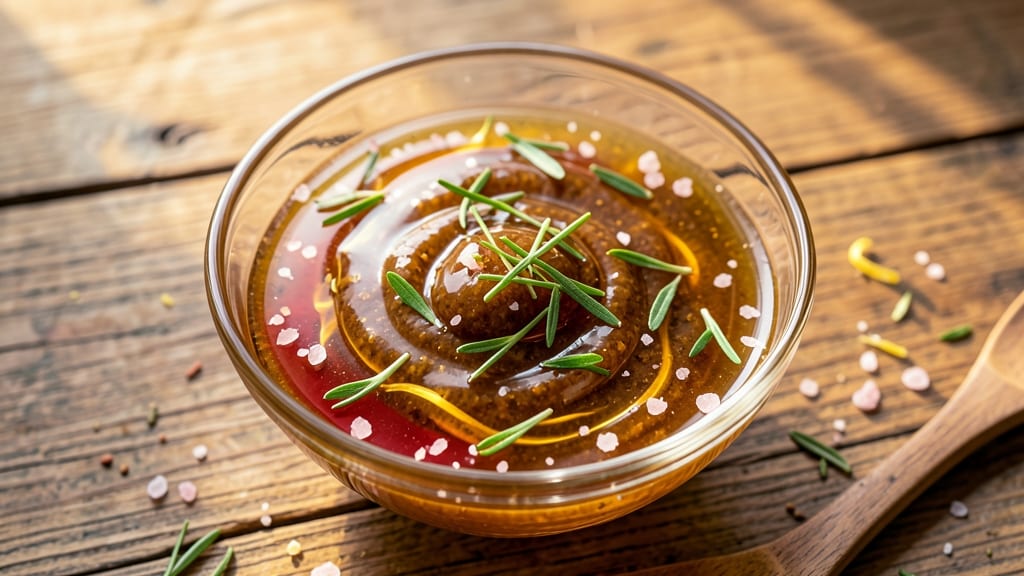
This French dressing recipe with apple cider vinegar transforms ordinary salads into restaurant-worthy meals with just a few simple ingredients. The sharp tang of apple cider vinegar cuts through rich ingredients, creating a balanced dressing that clings beautifully to greens and vegetables.
I developed this recipe during a particularly busy week when I needed something quick but impressive for a dinner party—it never fails to deliver.
The secret lies in the emulsification technique, which creates a silky, velvety texture that stays consistent even after shaking. With just five basic ingredients—apple cider vinegar, olive oil, Dijon mustard, honey, and a pinch of salt—you’ll achieve a dressing that’s bright, tangy, and perfectly balanced.
The Dijon mustard acts as a natural emulsifier, ensuring the dressing doesn’t separate, while the honey adds a touch of sweetness to complement the sharp vinegar.
This dressing elevates everything from simple green salads to hearty grain bowls, and it even works as a marinade for grilled chicken or fish. The apple cider vinegar not only adds depth of flavor but also introduces a subtle sweetness that pairs beautifully with savory dishes.
It keeps well in the refrigerator for up to two weeks, making it a versatile addition to your pantry.
For extra sophistication, consider adding fresh herbs like tarragon or thyme, or a dash of smoked paprika for a hint of warmth. The possibilities are endless, but the base recipe remains foolproof and adaptable to any season or occasion. Let’s get started!
Ingredients for french dressing recipe with apple cider vinegar
Five core ingredients plus two optional upgrades—this dressing delivers restaurant-quality tang in minutes.
| Ingredient | Amount | Notes |
|---|---|---|
| Apple Cider Vinegar 🍎 | ¼ cup | Raw, unfiltered preferred |
| Extra-Virgin Olive Oil 🫒 | ½ cup | Light or fruity variety |
| Dijon Mustard 🧄 | 1 tbsp | High-quality for emulsification |
| Raw Honey 🍯 | 2 tbsp | Wildflower or clover preferred |
| Diamond Crystal Kosher Salt 🧂 | ½ tsp | Fine grain preferred |
| Fresh Tarragon Leaves 🌿 | 1 tbsp | Chopped finely, optional |
| Smoked Paprika 🌶️ | ¼ tsp | For subtle warmth, optional |
The apple cider vinegar is non-negotiable for that signature crispness. Raw, unfiltered brands like Bragg or local orchard varieties add depth—avoid the sweetened commercial types. For the olive oil, California extra-virgin with fruity notes works best; cheap supermarket oil can taste flat. Dijon mustard must be genuine—Maille is the gold standard, but any quality brand will work. Honey should be raw to preserve its delicate flavor profile, and local varieties add subtle regional notes. Tarragon and smoked paprika are optional but elevate the dressing significantly—fresh tarragon from the market has the most vibrant flavor, while smoked paprika adds complexity without overpowering.
No apple cider vinegar? White wine vinegar or champagne vinegar works in a pinch, though the flavor will be sharper. Olive oil shortages? Avocado oil maintains the same neutral profile. Dijon mustard unavailable? Whole-grain mustard thinned with water mimics the texture. Honey substitute? Maple syrup or agave nectar at the same quantity, though texture may vary slightly. For the tarragon, fresh thyme or basil can replace it if needed—just adjust to taste. Smoked paprika too strong? Regular paprika at half the amount gives a milder effect. Always taste as you go—the balance between sweet, tangy, and savory should be harmonious.
This dressing keeps beautifully in the fridge for up to 2 weeks when stored in an airtight container. For longer storage, transfer to a sterilized glass jar and add a thin layer of olive oil on top to preserve freshness. Shake well before each use, as separation is normal. The optional herbs and spices can be omitted entirely if you prefer a cleaner base flavor, but adding them just before serving maximizes their freshness. Portion into small containers for salads, marinades, or drizzling—1/4 cup portions work perfectly for individual servings.
Why You'll Love This Recipe
- Here’s what sold me: that perfect push-pull of sharp apple cider vinegar cutting through the richness of olive oil, then honey stepping in to smooth it out. The Dijon adds a little bite that makes it taste alive—not just another bottled dressing. I’ll be real: I’ve used it on everything from salads to roasted Brussels sprouts, and it never lets me down.
- Five-Ingredient Magic: I keep this on speed dial because it’s the kind of dressing that proves you don’t need a fancy pantry to make something special. Just whisk together apple cider vinegar, olive oil, Dijon, honey, and salt—no emulsifiers, no stress. The mustard does all the heavy lifting while I’m still debating what to eat for dinner.
- Tangy-Sweet Balance: Here’s what sold me: that perfect push-pull of sharp apple cider vinegar cutting through the richness of olive oil, then honey stepping in to smooth it out. The Dijon adds a little bite that makes it taste alive—not just another bottled dressing. I’ll be real: I’ve used it on everything from salads to roasted Brussels sprouts, and it never lets me down.
- Weeknight Workhorse: Between us, this is my go-to for lazy nights when I’m tossing together a salad for one or a big batch for a crowd. It’s the kind of dressing that doesn’t demand attention—just shake it up, pour it on, and move on. Honestly, I’ve even drizzled it over grilled chicken or mashed potatoes when I’m feeling experimental. (Yes, even on a Tuesday night.)
Step-by-step instructions for French dressing with apple cider vinegar
This dressing delivers a perfect balance of sharpness, sweetness, and herbal depth—ideal for crisp greens or hearty salads.
Whisk Together the Vinegar and Honey
In a medium bowl, combine the 0.25 cup apple cider vinegar and 2 tablespoons raw honey. Whisk vigorously for 30 seconds until the honey dissolves completely and the mixture becomes smooth. The vinegar's acidity will help break down the honey's viscosity, creating a silky base for the dressing.
Here's the thing—don't rush this step. You want the honey fully incorporated so it doesn't create graininess later. If you notice any undissolved bits after whisking, let the mixture sit for 1 minute and whisk again. This ensures a velvety texture that coats salad ingredients beautifully.
Gradually Incorporate the Olive Oil
With the whisk moving continuously, slowly drizzle in the 0.5 cup extra-virgin olive oil over 1-2 minutes. This gradual addition is critical—it allows the oil to emulsify properly with the vinegar and honey mixture. If you add it too quickly, the dressing will separate.
Watch for the moment when the mixture begins to thicken slightly. This indicates the emulsification process is working. You're aiming for a consistency similar to heavy cream—thick enough to coat ingredients but still pourable. If it looks too thin, we'll adjust it in the next step.
Add Mustard, Salt, and Spices
Add the 1 tablespoon Dijon mustard, 0.5 teaspoon kosher salt, and 0.25 teaspoon smoked paprika to the bowl. Whisk for 30 seconds until fully combined. The Dijon mustard acts as an emulsifier, helping bind the oil and vinegar mixture. The salt enhances all flavors while the smoked paprika adds subtle warmth that complements the tartness.
If the dressing appears too thick after whisking, gradually add 1-2 teaspoons of warm water while whisking continuously until you reach your desired consistency. Conversely, if it's too thin, whisk in 1 teaspoon of Dijon mustard to help thicken it. The goal is a dressing that clings beautifully to salad ingredients without being gluey.
Fold in Fresh Tarragon
Finally, gently fold in the 1 tablespoon finely chopped fresh tarragon leaves using a silicone spatula. Unlike whisking, you want to preserve the tarragon's delicate texture rather than chopping it further. The tarragon adds a bright, anise-like note that elevates the dressing from simple vinaigrette to something truly special.
Give the dressing one final taste and adjust seasoning if needed. It should balance tart, sweet, and herbal notes with a subtle smokiness from the paprika. For best results, let the dressing sit at room temperature for 10 minutes before using—this allows all the flavors to meld together perfectly. Store any leftovers in an airtight container in the refrigerator for up to 1 week.
Pro Tips For Making French Dressing Recipe With Apple Cider Vinegar
- Whisk Slowly First: Start with just the vinegar and mustard, whisking until fully combined—no oil yet. Adding the olive oil too soon creates a stubborn emulsion that’s harder to blend smoothly, and you’ll end up with clumps. I learned this after making a batch that looked like someone had thrown it in a blender instead of a bowl.
- Use Cold Honey: Chill your raw honey for 10 minutes before adding it to the dressing. Cold honey blends in like silk, while warm honey can turn the mixture grainy or separate the oil. Trust me, your dressing will look and taste more polished—no one wants to see honey globs in their vinaigrette.
- Salt in Stages: Taste before adding all the salt—Diamond Crystal runs stronger than table salt, and you might not need the full amount. Add half the salt first, let it sit for 5 minutes, then adjust. I used to dump it all in and end up with a dressing that could double as a marinade for tough cuts.
- Shake Before Measuring Oil: Extra-virgin olive oil often separates in the bottle. Give it a good shake before pouring to ensure you’re measuring the full flavor, not just the clear liquid on top. Skimping here means your dressing tastes flat, like it’s missing something—because it is.
Wine and beer pairings for this recipe
Crisp White Wine Pairings
For a classic French-inspired pairing, reach for a dry Sauvignon Blanc from Loire Valley—its bright acidity mirrors the apple cider vinegar's tang while crisp citrus notes complement the honey's sweetness. I love Sancerre or Pouilly-Fumé for their mineral finish that cleanses the palate after each bite. 🍷
If you prefer something slightly richer, a Champagne or Crémant from France adds effervescence that enhances the dressing's herbal notes. The bubbles cut through the salad's richness, making every mouthful feel refreshing. For a local Texas twist, try a Highland Hills Viognier—its floral aroma pairs beautifully with the tarragon.
Hoppy Beer Complements
A Belgian Witbier like Hoegaarden or Stella Artois brings citrusy coriander notes that echo the apple cider vinegar's brightness. The subtle sweetness of the beer balances the dressing's tang, creating a harmonious flavor profile. 🍺
For beer lovers who prefer something bolder, a German Helles Lager offers a clean, malty backbone that stands up to the dressing's complexity. The light body won't overwhelm, making it perfect for pairing with hearty salads like kale or roasted vegetable bowls.
Unexpected Wine Surprises
Don't overlook dry Riesling from Alsace—its stone fruit notes and crisp acidity make it a surprising but excellent match. The wine's slight sweetness enhances the honey in the dressing, while its mineral finish keeps the palate refreshed. 💫
For red wine enthusiasts, a light Pinot Noir with earthy undertones pairs surprisingly well, especially with salads featuring mushrooms or grilled meats. The wine's delicate tannins won't clash with the dressing's herbal notes, creating a balanced pairing that works beautifully for dinner parties.
Seasonal Beverage Swaps
In warmer months, swap wine for sparkling water with a splash of apple cider vinegar—it's refreshing and maintains the dressing's signature tang. Add a slice of cucumber or mint for extra flair. This non-alcoholic option works perfectly for daytime salads or picnics.
During fall, a spiced cider infused with cinnamon and cloves complements the dressing's apple cider vinegar base. The warm spices echo the smoked paprika in the dressing, creating a cohesive seasonal experience that feels cozy and inviting.
Nutrition facts
Frequently asked questions
Why does my French dressing separate after mixing?
The most common cause is adding oil too quickly. Always drizzle the oil slowly while whisking continuously to create a proper emulsion. If separation happens, simply whisk vigorously for 30 seconds before using. For extra stability, add 1/2 teaspoon of Dijon mustard per 1/4 cup of dressing.
Can I make this dressing without Dijon mustard?
Yes! For a mustard-free version, use 1/2 teaspoon of xanthan gum dissolved in 1 tablespoon water as an emulsifier. Alternatively, whisk 1/4 cup plain yogurt into the vinegar-honey mixture before adding oil. Both methods work well, though the texture will be slightly different.
How long does this dressing keep in the fridge?
This dressing stays fresh for 2 weeks when stored in an airtight container. For longer storage, transfer to a sterilized glass jar and cover with a thin layer of olive oil to preserve freshness. Always shake well before using, as separation is normal. The flavors actually improve slightly after 24 hours of resting!
What's the best way to use this dressing beyond salads?
This versatile dressing works as a marinade for chicken, pork chops, or fish (use within 4 hours of making). Drizzle over roasted vegetables, grain bowls, or even as a dip for crudités. For extra richness, reduce the dressing by simmering 1/4 cup for 5 minutes to create a glaze for grilled meats.
Can I substitute apple cider vinegar with white vinegar?
While white vinegar works, it lacks the subtle sweetness and complexity of apple cider vinegar. For a similar flavor, use white wine vinegar or champagne vinegar at the same quantity. If you must use white vinegar, add 1/2 teaspoon of maple syrup to compensate for the sharper taste. The dressing will still be delicious but with a more traditional French vinaigrette profile.