
Sauces & Condiments
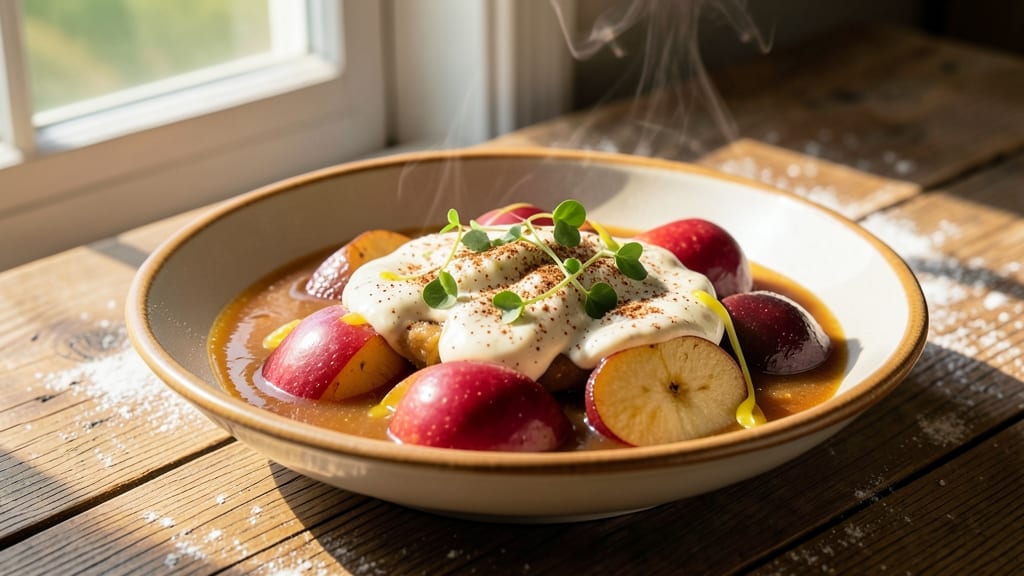
This classic apple sauce recipe delivers the warm, spiced comfort of homemade without relying on refined sugar.
The secret lies in balancing natural apple sweetness with just the right amount of cinnamon and nutmeg, creating a smooth, velvety sauce that's perfect for pairing with everything from roasted pork to buttery toast.
I developed this version after years of testing—it's the one that finally convinced even my sugar-conscious family that homemade apple sauce could be just as satisfying as the store-bought kind.
The process is simpler than you might think: just peel, core, and chop your apples, then simmer them with water or apple juice until tender. A touch of lemon juice brightens the flavor while preventing browning, and the spices infuse beautifully during the gentle cooking.
The best part? You can adjust the texture to your preference—blend it smooth for elegant presentations or leave it slightly chunky for rustic appeal. This recipe makes about 4 cups, enough to generously top your favorite fall dishes.
What makes this apple sauce truly classic is its versatility. Use it as a topping for pancakes or waffles, a glaze for roasted meats, or a filling for pies and tarts. The warm spices create a comforting aroma that transforms any meal into something special.
Best of all, it keeps beautifully in the refrigerator for up to two weeks or can be frozen for months, making it a perfect make-ahead condiment for holiday gatherings.
For those watching their sugar intake, the natural sweetness of the apples does most of the work—just one tablespoon of honey or maple syrup enhances the flavor without overpowering it.
The slow cooking process allows the flavors to meld perfectly, resulting in a sauce that's rich, aromatic, and full of autumnal warmth. Let's get started on creating this timeless pantry staple that will become a household favorite.
Ingredients for classic apple sauce
Eight simple ingredients transform ordinary apples into velvety, spiced apple sauce that tastes homemade.
| Ingredient | Amount | Notes |
|---|---|---|
| Apples (mix of sweet and tart) 🍎 | 4 lb | Peeled, cored, chopped into even pieces |
| Water or Apple Juice 💧 | 1 ½ cups | Apple juice adds subtle sweetness |
| Granulated Sugar (optional) 🍯 | ¼ cup | Or sub honey/maple syrup for depth |
| Lemon Juice 🍋 | 2 tbsp | Freshly squeezed for brightness |
| Ground Cinnamon 🌿 | 1 ½ tsp | Freshly ground for maximum aroma |
| Ground Nutmeg 🌿 | ½ tsp | Freshly grated adds warm depth |
| Salt 🧂 | ¼ tsp | Kosher or sea salt preferred |
| Extra-Virgin Olive Oil 🫒 | 1 tbsp | Prevents sticking during cooking |
The apples are the heart of this recipe—mix sweet varieties like Gala with tart ones like Granny Smith for perfect balance. Local farmers markets often have the best selection, but any grocery store's produce section works. Look for apples that are firm but yield slightly when pressed—this means they're ripe but still hold their shape during cooking. I always buy a mix of organic and conventional since organic apples are only needed if you're concerned about pesticide residue. The key is to peel and chop them evenly so they cook at the same rate, avoiding any mushy spots in your sauce.
No sugar? No problem—the natural sweetness of ripe apples does the job. Still want a touch of sweetness? Maple syrup or honey work beautifully (just reduce the water slightly). If you prefer chunky apple sauce, skip blending entirely—just mash with a potato masher. For a smoother texture, blend until silky. The spices are non-negotiable though—freshly ground cinnamon and nutmeg make all the difference. Pre-ground spices work in a pinch, but they lose their punch quickly. If you're feeling adventurous, add a pinch of allspice or cardamom for extra complexity.
This apple sauce keeps beautifully—up to 2 weeks in the fridge in an airtight container. For longer storage, freeze for up to 6 months. I like to portion it into ice cube trays before freezing, then transfer to a bag. This way, you can grab just what you need without thawing the whole batch. The sauce actually improves with time as the flavors meld together. For serving, warm it gently in a saucepan with a splash of water or apple juice to restore its silky texture.
Why You'll Love This Recipe
- No-Fuss Simplicity: I swear by this recipe because it’s literally apples, water, and a pinch of cinnamon—no fancy gadgets, no peeling required. Just core, chop, simmer, and blend. Honestly, if you can boil pasta, you can make this.
- Taste That Balances: That perfect mix of sweet (like Honeycrisp) and tart (Granny Smith) apples, brightened with lemon juice? It’s the kind of flavor that’s cozy without being cloying, and the cinnamon ties it all together like a warm hug in a bowl.
- Every Meal’s Sidekick: Spread it on toast for breakfast, serve it with pork chops for dinner, or pack it in lunchboxes—this stuff works everywhere. I’ve even used it as a pie filling base when I’m in a rush. (Yes, even on a Tuesday night.)
- Budget-Friendly Pantry Hero: Apples are cheap, sugar is optional, and cinnamon lasts forever. A big batch costs pennies and keeps for weeks in the fridge. Between us? This is how I stretch grocery money and keep my family happy.
Step-by-step instructions for classic apple sauce
Here's the method I've perfected for that perfect balance of spice and sweetness—no added sugar needed.
Prep the Apples for Even Cooking
Start by peeling, coring, and chopping the 4 lb apples (mix of sweet and tart) into even ½-inch pieces. I use a sharp chef's knife for this—it gives you more control than a food processor. The key is consistency; if pieces vary in size, some will cook faster than others, leading to an uneven texture.
As you chop, I like to taste a piece to gauge sweetness. If they're particularly tart, you might want to use the 0.25 cup granulated sugar (optional) later. But if they're naturally sweet, you can skip it entirely. Transfer the chopped apples to a large, heavy-bottomed pot—this helps distribute heat evenly during cooking.
Simmer with Water and Spices
Add the 1.5 cups water or apple juice to the pot with the apples. I always use apple juice when I want that extra depth of flavor—it's subtle but noticeable. Then stir in the 2 tbsp lemon juice, 1.5 tsp ground cinnamon, 0.5 tsp ground nutmeg, and 0.25 tsp salt. This is where the magic happens—the spices will infuse into the apples as they cook.
Bring the mixture to a boil over medium-high heat, then reduce to a gentle simmer. You'll know it's simmering properly when small bubbles form around the edges but not a full rolling boil. Let it cook uncovered for 20-25 minutes, stirring occasionally. You're looking for the apples to soften completely—when a knife slides in easily, they're ready.
Mash and Finish with Olive Oil
Once the apples are tender, use a potato masher or wooden spoon to break them down to your preferred texture. I like mine slightly chunky, so I give it a few good mashes but leave some small pieces intact. If you prefer it completely smooth, use an immersion blender at this stage.
Stir in the 1 tbsp extra-virgin olive oil—this isn't just for flavor (though it adds a nice richness), but also to help prevent the sauce from sticking to the pot. Taste and adjust seasoning if needed. The sauce should be perfectly balanced—sweet from the apples, bright from the lemon, and warm from the spices. If it needs more sweetness, add a little of the optional sugar now.
Cool and Store for Perfect Texture
Let the apple sauce cool to room temperature before transferring it to an airtight container. This cooling step is crucial—it allows the flavors to meld completely and the texture to set properly. If you're not using it immediately, store it in the refrigerator for up to 5 days or freeze for up to 3 months. The sauce will thicken as it cools, so if you prefer it slightly looser, you can reheat it gently with a splash of water or apple juice.
Serve warm with roasted meats, pancakes, or straight from the jar with a spoon. This classic apple sauce delivers that perfect harmony of spice and sweetness—just like Grandma used to make, but with a little modern twist.
Pro Tips For Making Classic Apple Sauce
- PEEL AND CORE UNIFORMLY: Peeling apples thinly and cutting them into even chunks—about ½-inch pieces—means they soften at the same rate. I used to toss in random sizes and end up with a mushy mess on one side and still-crunchy bits on the other.
- START HOT, END LOW: Boil the apples hard for the first 5 minutes to break down their structure, then drop the heat to a simmer. Rushing the simmering leads to a watery, thin sauce—this method keeps it thick and velvety.
- SALT THE WATER: Add a pinch of salt (½ teaspoon) to the cooking liquid—it’s not just for flavor, it also helps tenderize the apples faster. I learned this the hard way after making bland, mushy applesauce that tasted like nothing.
- STRAIN OR DON’T: If you love texture, skip the strainer. If you want silky smoothness, press the cooked apples through a fine-mesh sieve—just don’t skip the lemon juice after straining, or it’ll taste flat. (Yes, even if you’re impatient like me.)
Best sauces and condiments for classic apple sauce
Sweet & Savory Pairings
This apple sauce shines as a glaze for roasted pork tenderloin or chicken thighs—simmer it with 1 tbsp Dijon mustard and brush it on during the last 10 minutes of cooking.
For a vegetarian twist, serve it alongside grilled cheese sandwiches with sharp cheddar and caramelized onions. The warm spices cut through the richness beautifully. 🍗
Breakfast Elevations
Swap store-bought syrup for this homemade apple sauce on pancakes or waffles—it adds a sophisticated spiced note. I like to drizzle it over buttermilk biscuits with a pat of salted butter.
For a decadent treat, spoon it over vanilla ice cream with a sprinkle of toasted pecans. The texture contrasts perfectly with cold dairy.
Baking Applications
Use it as a pie filling substitute by mixing 2 cups apple sauce with 1 cup rolled oats and 1 tsp vanilla extract, then baking at 350°F for 25 minutes.
It also makes an excellent tart filling—just mix with 1 egg and 2 tbsp flour before pouring into a crust. The natural sweetness reduces the need for added sugar in desserts.
Savory Sauce Base
Blend 1 cup apple sauce with 1 cup Greek yogurt and 1 tsp smoked paprika for a creamy dip that pairs perfectly with roasted vegetables or pretzels. For a tangy twist, stir it into 1 cup sour cream and use as a dip for fries or veggie sticks.
The acidity from the lemon juice keeps it fresh-tasting.
International Variations
For a German-inspired twist, stir in ½ tsp ground cloves and serve with bratwurst or sauerkraut. In Scandinavian kitchens, it's often mixed with lingonberry jam for a sweet-tart balance.
The Japanese version sometimes includes mirin and soy sauce—a perfect pairing for teriyaki dishes. Each variation keeps the core apple sauce while adding cultural flair.
Storage Hacks
Portion cooled apple sauce into 1-cup glass jars before freezing—this makes it perfect for quick breakfasts or last-minute meal components. For fridge storage, place parchment paper directly on the surface before sealing the container to prevent a skin from forming.
Reheat gently with 1 tsp water per cup to restore its silky texture. ✨
Nutrition facts
Frequently asked questions
Can I make apple sauce without peeling the apples? Yes, you can skip peeling for a rustic texture and more natural color! Use organic apples if possible to minimize pesticide exposure. The skins add fiber and a lovely golden hue, though the texture will be slightly grainier. Just
What's the best way to store leftover apple sauce?
Store in an airtight container in the fridge for up to 2 weeks or freeze for 6 months. For freezing, portion into ice cube trays first—this makes thawing easier. To reheat, warm gently with 1 tsp water per cup to restore its silky texture.
Why did my apple sauce turn out too tart?
This usually happens when using too many tart apples or skipping the optional sugar. Next time, balance with 1 tbsp honey or maple syrup per cup of sauce. For extra depth, add ½ tsp vanilla extract—it rounds out the flavors beautifully.
Can I substitute apple juice for water in this recipe?
Apple juice adds natural sweetness and deeper flavor. Use it 1:1 for water, but reduce the sugar by 1-2 tablespoons if using sweet apple varieties. The result will be richer with subtle caramel notes.
How do I adjust the texture for chunky vs. smooth apple sauce?
For chunky: Mash with a potato masher after cooking. For smooth: Use an immersion blender or transfer to a blender (vent the lid!). If too thick after blending, stir in 1-2 tablespoons water or apple juice** while warm to adjust consistency.