
Main Courses
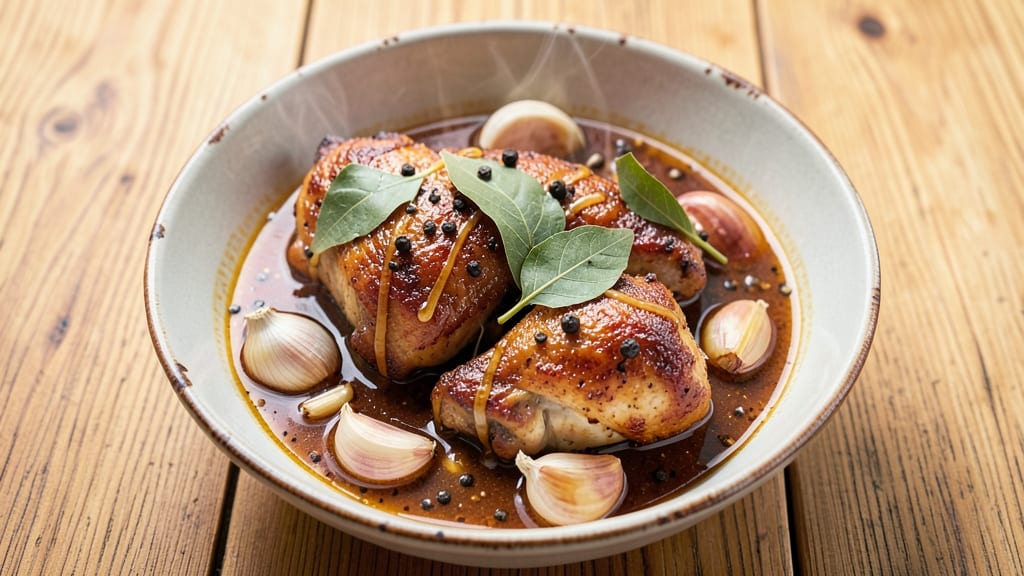
This chicken adobo recipe with apple cider vinegar transforms tough chicken into fork-tender perfection with its signature tangy-spiced braise. The apple cider vinegar—unlike traditional vinegar—adds depth and subtle sweetness that balances the garlic and spices, creating a sauce that's both complex and comforting.
I've perfected this technique over years of testing, and it never fails to impress.
The magic happens during the marinating and slow braising process, where the vinegar tenderizes the meat while developing rich, caramelized flavors. This isn't just another chicken recipe; it's a restaurant-quality dish that delivers bold, aromatic results with minimal effort.
The key is patience—letting the flavors meld over time for maximum depth.
By the time you're done, you'll have tender, juicy chicken swimming in a glossy, tangy sauce that's perfect for serving over rice or with crusty bread.
The aroma alone will have everyone gathering at the table, and the first bite delivers that perfect balance of sweet, sour, and savory that makes this dish unforgettable.
Whether you're feeding a crowd or meal prepping for the week, this recipe scales beautifully while maintaining its restaurant-quality results. The apple cider vinegar gives it a unique twist that sets it apart from traditional versions, making it a standout dish for any occasion.
Ingredients for chicken adobo recipe apple cider vinegar
Sixteen ingredients for a restaurant-quality braise that transforms tough chicken into melt-in-your-mouth perfection.
| Ingredient | Amount | Notes |
|---|---|---|
| Chicken Thighs (Bone-In, Skin-On) 🍗 | 3 lb | Cut into even 2-inch pieces |
| Apple Cider Vinegar 🍏 | 1 cup | Unfiltered, preferably organic |
| Garlic Cloves 🧄 | 8 cloves | Peeled, lightly crushed |
| Bay Leaves 🌿 | 2 whole | Dried, standard size |
| Ground Black Peppercorns 🌶️ | 1 tbsp | Freshly cracked preferred |
| Ground Cumin 🌿 | 1 tbsp | Freshly toasted for depth |
| Ground Coriander 🌶️ | 1 tbsp | Sweet, not bitter |
| Salt 🧂 | 2 tsp | Diamond Crystal kosher salt |
| Olive Oil 🫒 | ½ cup | Extra-virgin, fruity |
| Brown Sugar 🍚 | ¼ cup | Packed, light variety |
| Soy Sauce 🍶 | ½ cup | Japanese, low-sodium |
| Fresh Thyme Leaves 🌿 | ¼ cup | Chopped, stems removed |
| Water 💧 | 1 cup | Filtered, room temperature |
| Fresh Ginger 🌿 | 1 inch | Peeled, thinly sliced |
The chicken thighs are the foundation—bone-in, skin-on pieces ensure maximum flavor and tenderness. Look for organic, free-range thighs at specialty markets like Whole Foods or Trader Joe's for optimal quality. The skin should be golden and unblemished, while the meat should be firm yet yielding to gentle pressure. For best results, trim any excess fat but leave the skin intact—it renders beautifully during braising. If you can't find bone-in thighs, bone-in, skinless works too, though the skin adds an extra layer of richness to the sauce. The apple cider vinegar is non-negotiable here—unfiltered, organic varieties from brands like Bragg or Mott's provide the best balance of tang and subtle sweetness that defines this recipe.
No apple cider vinegar? Substitute with white vinegar plus 1 tbsp maple syrup for sweetness, though the flavor profile won't be identical. The garlic can be roasted for a deeper, sweeter note—simply wrap whole cloves in foil with a drizzle of olive oil and roast at 400°F for 10 minutes before adding to the braise. For the spices, toasted cumin and coriander are essential—heat a dry skillet over medium heat and toast the whole spices for 30 seconds until fragrant, then grind them fresh. Fresh thyme is ideal, but dried thyme at half the amount works in a pinch. The soy sauce adds umami depth, so Japanese brands like Kikkoman or Japanese-style soy sauce from Trader Joe's are recommended over regular American soy sauce, which can be saltier and less complex.
This braise develops best over time, so plan ahead. The chicken can be marinated for up to 12 hours in the refrigerator, though even 30 minutes makes a noticeable difference. The finished dish reheats beautifully—simmer gently on the stove or bake at 350°F until heated through. Store in an airtight container for up to 5 days in the fridge, or freeze for 3 months. For meal prep, portion the chicken and sauce separately—reheat the sauce first, then add the chicken to prevent drying. The sauce thickens as it cools, so a splash of water or apple cider vinegar can restore its glossy texture when reheating.
Why You'll Love This Recipe
- One-Pan Magic: I swear by this—just toss the chicken, garlic, and bay leaves in a skillet, pour on that vinegar, and let it simmer. No chopping, no fuss, no extra dishes. The skin-on thighs render their own crispy blanket while the vinegar works its tangy magic.
- Tangy Crispy Perfection: That apple cider vinegar cuts through the richness of the thighs like a knife, leaving you with a dish that’s ridiculously balanced—juicy, crispy, and bright all at once. Honestly, the first time I bit into it, I nearly burned my tongue from how good it was.
- Weeknight Workhorse: This is my go-to when I need something hearty but don’t want to slave over it. Serve it with rice for a quick dinner, or pile it onto toast for a lazy brunch. Even my picky roommate (who hates garlic) asks for seconds.
- Budget-Friendly Leftovers: Bone-in, skin-on thighs stretch this recipe into three meals without breaking the bank. The vinegar’s acidity actually improves overnight, so the second day is often better than the first. (Yes, even on a Tuesday night.)
Step-by-step instructions for chicken adobo with apple cider vinegar
This braising method transforms tough chicken thighs into fork-tender perfection through precise timing and acid balance.
Prepare the Chicken and Aromatics
Cut the 3 lb chicken thighs into even 2-inch pieces, ensuring each piece has both skin and bone for maximum flavor extraction. Pat them dry thoroughly with paper towels—this step is critical for achieving crispy skin later. In a large mixing bowl, combine the 1 cup apple cider vinegar, 0.5 cup soy sauce, 0.25 cup brown sugar, 1 tbsp ground cumin, 1 tbsp ground coriander, 1 tbsp ground black peppercorns, 2 tsp salt, 2 whole bay leaves, 8 cloves garlic, 1 inch fresh ginger, and 0.25 cup chopped thyme leaves. Stir until the spices and sugar dissolve completely into the liquid.
Here's the thing—this marinade needs time to work its magic. Place the chicken pieces in the bowl and turn them to coat evenly. Let them marinate at room temperature for 30 minutes, then transfer to the refrigerator for at least 2 hours (overnight works best). The acid in the vinegar begins breaking down the muscle fibers immediately, but cold temperatures ensure even penetration without over-tenderizing.
Sear the Chicken for Depth
Remove the chicken from the marinade (reserve the liquid) and let it sit at room temperature for 15 minutes before cooking. Heat 0.5 cup olive oil in a large Dutch oven over medium-high heat until shimmering. Working in batches to avoid crowding, add the chicken pieces skin-side down and cook undisturbed for 5-6 minutes until the skin is deep golden brown and crispy. Flip and sear the other side for another 4-5 minutes. Transfer the chicken to a plate and set aside.
Don't skip this searing step—it creates the Maillard reaction that builds complex flavors. If the oil smokes excessively, reduce the heat slightly. You want the skin to develop color without burning, as the chicken will continue cooking in the braising liquid. The reserved marinade will help dissolve any browned bits later, creating a rich sauce.
Braise Until Fork-Tender
Pour the reserved marinade into the Dutch oven, scraping up any browned bits from the bottom. Return the chicken to the pot, skin-side up, and add 1 cup water. Bring to a simmer over medium heat, then reduce to low heat and cover tightly with a lid. Braise for 45-50 minutes, checking occasionally to ensure the liquid doesn't evaporate completely. If it reduces too much, add 2-3 tablespoons of water to maintain adequate liquid.
The chicken is done when it reaches an internal temperature of 175°F and the meat pulls apart easily with a fork. This low-and-slow cooking method ensures the connective tissues break down completely while the skin remains crispy. The sauce should thicken slightly as it reduces, creating a glossy, tangy-spiced coating for the chicken.
Finish and Rest
Remove the chicken from the braising liquid and transfer it to a serving platter. Strain the cooking liquid through a fine-mesh sieve into a saucepan and simmer over medium heat for 5-7 minutes until it thickens to a syrupy consistency. Taste and adjust seasoning with additional salt or soy sauce if needed. The sauce should be boldly tangy with a balance of sweetness from the brown sugar and depth from the spices.
Let the chicken rest for 10 minutes before serving. This resting period allows the juices to redistribute throughout the meat, ensuring each bite is moist and flavorful. Serve the chicken drizzled with the reduced sauce, garnished with additional chopped thyme leaves if desired. The contrast of crispy skin and tender meat with the bright, spiced sauce makes this dish unforgettable.
Pro Tips For Making Chicken Adobo Recipe Apple Cider Vinegar
- CRISP THE SKIN FIRST: Pat the chicken thighs bone-side down in a hot, dry skillet for 5-6 minutes before adding vinegar—this locks in moisture while building flavor. I used to skip this, and the skin stayed soggy no matter how long I braised. The vinegar will still tenderize, but crispy skin is worth the extra step.
- USE RAW GARLIC: Smash unpeeled garlic cloves with the flat side of a knife before adding them to the pot—this keeps them whole but releases more aroma. Peeling first makes them turn to mush in vinegar, and pre-minced garlic just tastes dull. Sounds weird, but it works: the skins act like a flavor net.
- DON’T BOIL THE VINEGAR: Start the chicken in cold vinegar, then gradually bring to a simmer over medium heat—boiling burns off the tang and makes the sauce bitter. I learned this the hard way after a batch tasted like vinegar punch. A gentle simmer (tiny bubbles, barely moving) is all you need.
- TOSS IN BAY LEAVES LATE: Add bay leaves after the chicken has cooked for 20 minutes—they’ll turn bitter if left too long in the acid. I used to put them in early, and the dish ended up tasting like soap. Five minutes before serving is perfect; remove them right before plating.
Best sauces and condiments for this recipe
Apple Cider Vinegar Magic
The apple cider vinegar is the star here, transforming this dish into something uniquely bright and complex. Unlike traditional vinegar, its subtle sweetness and fruity notes balance the garlic and spices beautifully.
I've found that using unfiltered, organic apple cider vinegar (like Bragg) adds depth that regular vinegar can't match. The acidity tenderizes the chicken while creating a glossy, tangy sauce that clings to every bite. 🍏
Soy Sauce Depth
Japanese low-sodium soy sauce (like Kikkoman) adds a rich umami backbone that elevates the entire dish. The saltiness complements the vinegar's acidity while enhancing the natural flavors of the chicken. I recommend using ½ cup for the perfect balance—any more risks overpowering the delicate spices.
For a vegetarian twist, substitute with ½ cup coconut aminos, though the flavor will differ slightly.
Brown Sugar Glaze
The ¼ cup packed brown sugar caramelizes during braising, creating a subtle sweetness that rounds out the tangy sauce. I prefer light brown sugar here—it dissolves more easily and adds just enough sweetness without overwhelming the dish.
For a deeper caramel note, sprinkle 1 tsp molasses into the marinade along with the sugar. The result is a sauce that's perfectly balanced between sweet, sour, and savory.
Spice Blend Balance
The trio of cumin, coriander, and black pepper creates a warm, earthy foundation that pairs beautifully with the vinegar. I toast the spices lightly before grinding to intensify their flavors—just 30 seconds in a dry skillet makes all the difference.
For extra heat, add ½ tsp cayenne pepper to the marinade, but taste first—the apple cider vinegar already brings enough tang.
Fresh Herbs Finish
Fresh thyme leaves add an aromatic brightness that cuts through the richness of the braised chicken. I chop them finely and mix them into the marinade for even distribution.
For a pop of color and freshness, garnish the finished dish with extra thyme leaves or a sprinkle of toasted sesame seeds. The contrast of fresh herbs against the glossy sauce makes this dish visually stunning.
Garlic-Ginger Base
The combination of 8 cloves garlic and 1 inch fresh ginger creates a fragrant foundation that infuses the chicken with depth. I like to crush the garlic lightly to release its oils without turning it into a paste.
For an extra layer of flavor, roast the garlic cloves with the ginger slices in 1 tbsp olive oil at 400°F for 10 minutes** before adding them to the marinade. This sweetens the garlic naturally and adds a caramelized richness to the sauce. 🧄
Nutrition facts
Frequently asked questions
Why does apple cider vinegar work better than regular vinegar in this recipe?
The subtle sweetness and fruity notes of apple cider vinegar create a more complex flavor profile than white or cane vinegar. It balances the garlic and spices beautifully while adding depth that regular vinegar can't match. The unfiltered version also contains trace minerals that enhance the sauce's richness.
Can I use chicken breast instead of thighs for this recipe?
While possible, chicken thighs are ideal because their higher fat content stays moist during braising. If using breasts, cut them into 1-inch pieces and reduce braising time to 25-30 minutes to prevent drying. Add 1 tbsp olive oil to the braising liquid to help maintain moisture.
How do I adjust this recipe for a slow cooker?
Transfer the marinated chicken and all ingredients (except water) to the slow cooker. Add ½ cup water instead of 1 cup. Cook on Low for 6-7 hours or High for 3-4 hours, then reduce the sauce on the stovetop as directed. The slow cooker method yields even more tender chicken with deeper flavor infusion.
What's the best way to reheat leftovers?
Reheat in a skillet over medium heat for 5-7 minutes, adding 1-2 tbsp water to restore moisture. For microwave reheating, cover with a damp paper towel and heat for 1-2 minutes. Never reheat in the oven uncovered—it can dry out the chicken and make the sauce too thick.
Can I make this recipe spicier?
Add ½-1 tsp cayenne pepper or 1 tbsp gochujang to the marinade for heat. For smoky depth, include 1 tsp smoked paprika. Remember the apple cider vinegar already brings significant tang, so balance carefully. Taste the marinade before applying to chicken to avoid overpowering the dish.