
Main Courses
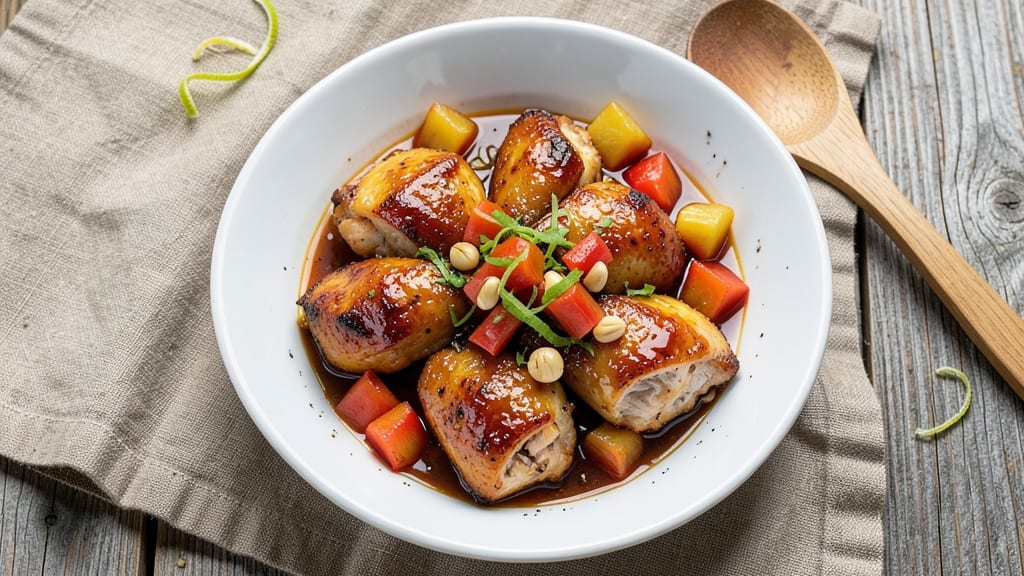
This baked pineapple teriyaki chicken delivers restaurant-quality flavors with juicy, flaky chicken and a caramelized glaze that balances sweet and savory perfectly. I developed this recipe after years of experimenting with Asian-inspired dishes, and it's become a weeknight favorite that never fails to impress.
The secret lies in marinating the chicken overnight, which ensures maximum tenderness and flavor penetration.
The teriyaki sauce gets its signature sweetness from fresh pineapple juice and chunks, which caramelize beautifully during baking. This isn't just another sticky glaze—it's a complex blend of soy sauce, brown sugar, and ginger that creates depth while keeping the dish approachable.
The chicken emerges with crisp edges and moist centers, ready to be served with steamed rice or fresh vegetables.
What makes this recipe special is how it transforms simple ingredients into something extraordinary. No complicated techniques here—just proper marinating, precise baking times, and a sauce that comes together in minutes.
The result? Juicy chicken pieces coated in a glossy, caramelized glaze that's sweet enough to please kids but balanced enough for adults.
Perfect for meal prep or a special dinner, this dish delivers restaurant-quality results with minimal effort. The pineapple adds natural sweetness while keeping the sauce from becoming overly cloying, and the baking method ensures even cooking every time. Let's get to the recipe!
Ingredients for baked pineapple teriyaki chicken
Restaurant-quality teriyaki flavors start with these carefully chosen ingredients that balance sweet, savory, and umami perfectly.
| Ingredient | Amount | Notes |
|---|---|---|
| Boneless, Skinless Chicken Thighs 🍗 | 1 ½ lb | Cut into 1-inch pieces for even cooking |
| Fresh Pineapple Juice 🍍 | ½ cup | From 1 small fresh pineapple |
| Fresh Pineapple Chunks 🍍 | 1 cup | Reserved for sauce caramelization |
| Low-Sodium Soy Sauce 🍶 | ⅓ cup | Kikkoman preferred for authentic flavor |
| Brown Sugar 🍚 | ¼ cup | Packed for accurate measurement |
| Fresh Ginger 🌿 | 2 tbsp | Finely grated, aromatic freshness |
| Garlic Cloves 🧄 | 4 cloves | Minced for sauce depth |
| Honey 🍯 | 2 tbsp | Wildflower preferred for floral notes |
| Sesame Oil 🫒 | 1 tbsp | Toasted sesame for nutty aroma |
| Cornstarch 🌾 | 1 tbsp | For sauce thickening |
| Vegetable Oil 🫒 | 2 tbsp | Light coating for baking tray |
| Diamond Crystal Kosher Salt 🧂 | 1 tsp | Fine grain for even seasoning |
| Freshly Ground Black Pepper 🌶️ | ½ tsp | Cracked peppercorns preferred |
| Sesame Seeds 🌾 | 1 tbsp | Toasted for garnish |
The chicken thighs are the foundation—bone-in thighs would work too, but boneless skinless ensures consistent cooking. Look for organic or free-range when possible, as the fat content enhances flavor and moisture. For the pineapple, fresh is non-negotiable—canned juice lacks the complexity and caramelization potential. I source my pineapples from Whole Foods or local farmers' markets during peak season (spring through summer) for optimal sweetness and acidity balance. The ginger should be vibrant and firm, with no signs of drying out. For the soy sauce, Kikkoman remains the gold standard, though San-J is an excellent budget alternative with comparable depth.
No fresh pineapple? Pineapple nectar works in a pinch, though you'll need 0.25 cup more to compensate for reduced acidity. Substituting honey? Maple syrup provides similar sweetness, though the flavor profile will shift slightly. For the sesame oil, toasted is essential—regular sesame oil lacks the nutty aroma. If you're avoiding gluten, tamari replaces soy sauce one-to-one. The cornstarch thickening can be swapped for arrowroot powder at the same ratio. For extra umami depth, add 1 tbsp fish sauce (ensure it's gluten-free if needed), though this alters the vegetarian nature slightly. Always taste the sauce before baking—adjust sweetness with additional honey or saltiness with soy sauce as needed.
Marinated chicken keeps 3 days in the fridge, while the sauce can be prepped 2 days ahead. For meal prep, bake the chicken fully, then reheat with a splash of water to restore moisture. The sauce thickens upon cooling—reheat gently and thin with water if needed. Store sauce separately in an airtight container for up to 5 days. For longer storage, freeze sauce portions in ice cube trays—perfect for quick glazes later. Sesame seeds should be toasted fresh before serving, as they lose crispness when stored. The pineapple chunks can be frozen for future use, though texture softens slightly.
Why You'll Love This Recipe
- Sheet Pan Magic: I swear by this one—just toss the chicken thighs and pineapple chunks on a single sheet pan, drizzle with that sticky-sweet teriyaki mix (soy sauce, brown sugar, fresh pineapple juice), and pop it in the oven. No pots, no pans, no stress. The pineapple caramelizes right alongside the chicken, so you get that perfect balance of tangy and savory without standing at the stove.
- Sweet-Savory Balance: Between us, the combo of fresh pineapple juice and low-sodium soy sauce cuts through the richness of the chicken thighs like a dream. The brown sugar adds a subtle caramel depth, while the chunks of pineapple keep every bite bright and juicy. It’s the kind of flavor that makes you want to eat it straight from the pan—no shame here.
- Lunchbox Hero: This recipe is my go-to for meal prep because it reheats like a champ. The teriyaki glaze stays glossy, the chicken stays tender, and the pineapple adds a little tropical twist that makes even a sad office lunch feel special. Pack it in containers, and you’ve got a week’s worth of lunches that won’t make you groan when you open the fridge.
- Budget-Friendly Feast: Chicken thighs are cheaper than breasts, and pineapple’s a pantry staple that stretches far. A single fresh pineapple gives you juice and chunks for multiple meals, and the soy sauce and brown sugar are basics you likely already have. Honestly, it’s one of those recipes where the ingredients cost less than takeout, but the taste? Way better.
Step-by-step instructions for baked pineapple teriyaki chicken
Here's how to achieve tender, caramelized chicken with a perfect balance of sweet and savory.
Prepare the Chicken and Marinate
Cut the 1.5 lb boneless, skinless chicken thighs into 1-inch pieces for even cooking. In a large bowl, combine the chicken with 0.5 cup fresh pineapple juice, 0.33 cup low-sodium soy sauce, 2 tbsp finely grated fresh ginger, 4 minced garlic cloves, and 0.5 tsp freshly ground black pepper. Mix gently to coat all pieces evenly.
Cover the bowl and refrigerate for at least 30 minutes (or up to 2 hours). This marinade not only infuses flavor but also helps tenderize the chicken. The pineapple juice breaks down proteins, ensuring juicy, flaky bites. Don't skip this step—it's what makes the difference between dry chicken and melt-in-your-mouth perfection.
Make the Pineapple Teriyaki Glaze
In a small saucepan, combine 0.25 cup packed brown sugar, 2 tbsp honey, 1 cup fresh pineapple chunks, and 1 tbsp sesame oil. Bring to a simmer over medium heat, then reduce to low heat and cook for 5-7 minutes until the mixture thickens slightly and the pineapple begins to caramelize.
Stir in 1 tbsp cornstarch mixed with 1 tablespoon water to create a smooth, glossy glaze. The mixture should coat the back of a spoon when you lift it. If it's too thick, add 1-2 teaspoons water to reach the right consistency. Remove from heat and set aside—this glaze will transform ordinary chicken into something extraordinary.
Preheat and Prepare the Baking Tray
Preheat your oven to 400°F. Line a large baking sheet with parchment paper and lightly coat it with 2 tbsp vegetable oil using a paper towel. This prevents sticking and ensures the chicken browns beautifully. Arrange the marinated chicken pieces in a single layer, leaving space between them for even cooking.
Drizzle the pineapple teriyaki glaze evenly over the chicken, coating each piece thoroughly. The glaze should pool slightly in the bottom of the tray—this will caramelize during baking, creating a sticky, flavorful crust. If you have any leftover glaze, reserve it for basting later.
Bake to Juicy Perfection
Bake the chicken for 20-25 minutes, until the internal temperature reaches 165°F and the edges are deep golden brown. About halfway through baking, spoon the reserved glaze over the chicken to enhance caramelization. You'll know it's done when the chicken pulls away from the edges of the tray and the glaze has thickened into a glossy sheen.
For the final touch, sprinkle the chicken with 1 tbsp toasted sesame seeds while still hot. These add a nutty crunch that contrasts beautifully with the soft, sticky glaze. Let the chicken rest for 5 minutes before serving—this allows the juices to redistribute, ensuring every bite is moist and flavorful.
Pro Tips For Making Baked Pineapple Teriyaki Chicken
- Pat the Chicken Dry: Skip the paper towels—just run your hands over the thighs to wipe away moisture. Wet chicken steams instead of browning, and you’ll end up with soggy teriyaki instead of that sticky, caramelized crust. Trust me, that first crispy bite is worth the extra 30 seconds.
- Reduce the Sauce First: Simmer your teriyaki mix (soy sauce, pineapple juice, brown sugar) in a small saucepan until it thickens to a syrup—about 5 minutes. Pouring raw, thin sauce over chicken means it’ll pool at the bottom of the pan instead of clinging to the meat. (Yes, even if you’re impatient like me.)
- Cut Pineapple Small: Dice those chunks into ½-inch pieces or smaller—they’ll cook faster and release more juice into the pan. Big hunks stay undercooked and turn mushy while the chicken finishes. You’re not making a fruit salad; you want that sweet, caramelized flavor to soak into everything.
- Bake at 425°F: Start hot, then lower to 375°F halfway through. The high heat sears the chicken and evaporates excess moisture fast, while the lower temp lets the teriyaki glaze without burning. I learned this the hard way—my first batch turned into a sticky mess because I played it too safe with the heat.
Creative variations of this baked pineapple teriyaki chicken
Spicy Pineapple Kick
Add 1 tbsp gochujang or 1 tsp cayenne pepper to the teriyaki glaze for a fiery twist that cuts through the sweetness. I like using gochujang for its fermented depth—it adds umami alongside heat.
Start with ½ tsp cayenne if you're new to spicy food, then adjust to taste. Serve with cooling sides like cucumber salad or steamed edamame to balance the heat. 🌶️
Coconut Milk Twist
Replace ½ cup of the soy sauce with ½ cup coconut milk for a tropical fusion that pairs beautifully with pineapple. The coconut adds creamy richness while keeping the dish light.
I recommend using full-fat coconut milk for the best texture, and add 1 tsp lime zest to brighten the flavors. This version works especially well with jasmine rice for a complete Asian-inspired meal.
Honey-Glazed Carrots
Roast 1 lb baby carrots with 1 tbsp honey and 1 tsp soy sauce while the chicken bakes. Toss them in a single layer on a parchment-lined tray, drizzle with the honey-soy mixture, and roast at 400°F for 20 minutes.
The carrots caramelize beautifully and complement the teriyaki perfectly. I often serve them alongside the chicken for a complete, balanced plate. 🥕
Sesame Crusted Chicken
For extra texture, coat the marinated chicken in a mix of 2 tbsp toasted sesame seeds, 1 tbsp panko breadcrumbs, and 1 tsp sesame oil before baking. Press the mixture gently onto each piece so it sticks.
This creates a delightful crunch that contrasts with the soft, sticky glaze. Bake as directed, but watch closely after 15 minutes to ensure the crust doesn't burn. 🌾
Asian-Inspired Slaw
Shred 2 cups cabbage and 1 carrot, then toss with 2 tbsp rice vinegar, 1 tbsp sesame oil, and 1 tsp honey. Add 1 tbsp chopped cilantro or green onions for freshness.
This crunchy slaw balances the richness of the teriyaki chicken and adds a refreshing contrast. I like to serve it chilled alongside the warm chicken for a perfect temperature contrast.
Make-Ahead Marinade
Double the marinade recipe and store it in an airtight container in the fridge for up to 3 days. This is perfect for meal prep—simply marinate the chicken for 30 minutes before baking.
I often make a big batch on Sundays so I can throw together weeknight dinners in minutes. For extra flavor, add 1 tbsp fish sauce to the marinade (ensure it's gluten-free if needed). This variation keeps the chicken incredibly tender and packed with flavor. 💡
Nutrition facts
Frequently asked questions
Can I use chicken breast instead of thighs?
You can try, but thighs are ideal for this recipe. Chicken breasts cook faster and can dry out more easily in the oven. If you use breasts, cut them into ½-inch thick pieces and reduce baking time to 18-20 minutes. For extra moisture, add 1 tbsp honey to the marinade or bake with a splash of water in the tray.
How do I adjust the sweetness level?
The pineapple teriyaki glaze balances sweet and savory perfectly, but you can tweak it. For less sweetness, reduce brown sugar to 0.2 cup and honey to 1 tbsp. For extra sweetness, add 1 tbsp more honey or 2 tbsp pineapple juice to the glaze. Taste as you go—adjust gradually to avoid overwhelming the dish.
Can I make this recipe without fresh pineapple?
Yes, but the flavor will be different. Use ½ cup pineapple nectar (not juice) plus 1 tbsp lemon juice for the marinade, and ½ cup crushed pineapple (drained) for the glaze. The texture won't caramelize as beautifully, but it still works. For a stronger pineapple flavor, add ½ tsp pineapple extract to the glaze.
Why did my chicken turn out dry?
Dry chicken usually means overcooking or skipping the marinating step. Always check internal temperature with a meat thermometer—it should reach 165°F. Marinate for at least 30 minutes (overnight is best), and don't overcrowd the baking tray. For extra moisture, baste with reserved glaze halfway through baking. Using bone-in thighs also helps retain juices.
What's the best way to reheat leftovers?
Reheat gently to preserve moisture. Place chicken pieces on a baking sheet and warm at 350°F for 8-10 minutes until heated through. For the glaze, reheat in a small saucepan over low heat with 1 tbsp water to prevent burning. Avoid microwaving—it makes the glaze rubbery. Store leftovers in an airtight container for up to 3 days.