
Sauces & Condiments
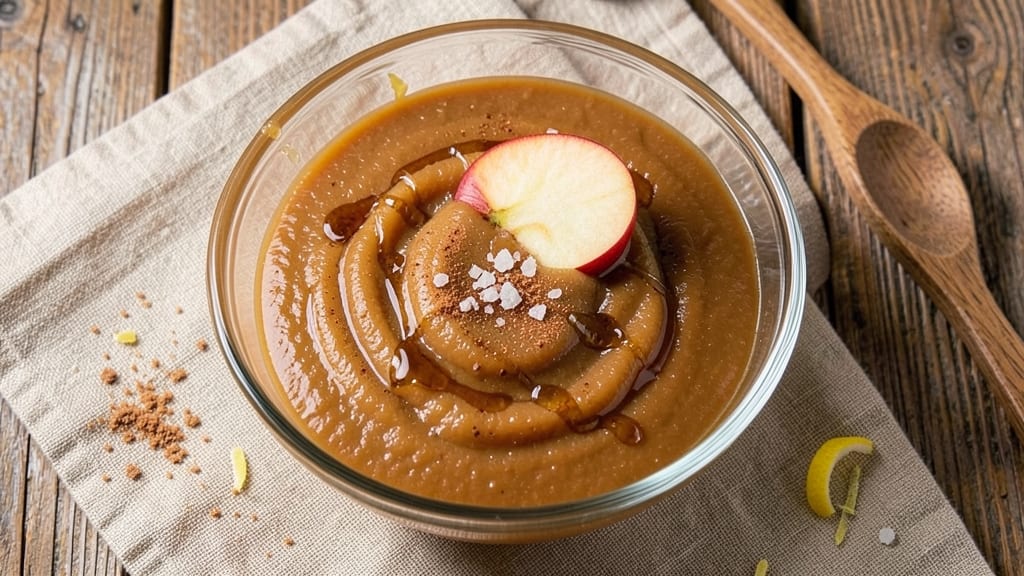
Transforming seasonal apples into velvety, silky apple sauce has never been simpler—this food mill method delivers restaurant-quality texture in minutes without added thickeners or gums.
The secret lies in the food mill itself, which strains the cooked apples to perfection, creating a smooth consistency that's ideal for everything from toast toppings to meat glazes.
I've perfected this vegan version using just apples, cinnamon, and a touch of sweetener, eliminating the need for dairy or eggs entirely.
What sets this recipe apart is the hands-off approach: peel, core, and chop your apples, then let them simmer until tender before processing through the food mill. This method preserves the natural sweetness and fiber while eliminating any lumps, resulting in a sauce that's creamy yet light.
The cinnamon adds warmth without overpowering, while a pinch of salt balances the sweetness for depth of flavor.
By the time you're done, you'll have a batch of apple sauce that's silky-smooth, naturally sweetened, and ready to use immediately or store for up to two weeks in the refrigerator.
The food mill does all the work of straining, so you're left with a perfectly smooth texture that's ideal for drizzling, baking, or serving alongside holiday meals.
This recipe works beautifully with any apple variety—tart Granny Smiths for brightness or sweet Honeycrisp for richness. The process is equally effective for small batches or larger quantities, making it perfect for meal prep or gifting. Let's get started on creating your silky-smooth apple sauce.
Ingredients for apple sauce recipe with food mill
Six simple ingredients transform chopped apples into velvety-smooth sauce—no thickeners needed.
| Ingredient | Amount | Notes |
|---|---|---|
| Apples (Granny Smith or Honeycrisp preferred) 🍎 | 4 lb | Peeled, cored, chopped into even pieces |
| Water 💧 | 1 ½ cups | For simmering apples |
| Ground Cinnamon 🌿 | 1 ½ tbsp | High-quality for best flavor |
| Maple Syrup 🍁 | ¼ cup | Grade B for richer flavor (optional) |
| Sea Salt 🧂 | ¼ tsp | Fine grain preferred |
| Lemon Juice 🍋 | 1 tbsp | Freshly squeezed for brightness |
The apples are the star, so choose ones with vibrant color and firm texture. Granny Smiths add tangy brightness, while Honeycrisp brings natural sweetness—both work perfectly. Most grocery stores carry these varieties year-round, but local orchards or farmers markets offer fresher options in season. For a larger batch, Trader Joe's or Whole Foods sell pre-washed, pre-cut apples that save time. Just avoid any with bruises or soft spots—they'll make your sauce watery. Peel and core them yourself for best results, or use a mandoline if you're prepping a big batch.
No maple syrup? Date syrup or agave nectar work beautifully—just use the same amount. Want to skip the sweetener entirely? Tart apples like Granny Smiths often need just a pinch of salt to balance their natural acidity. The lemon juice is key for brightness, but if you're out, a splash of apple cider vinegar does the trick. For extra richness, add a pinch of vanilla extract or a scraped vanilla bean. And if you're making this ahead, the apples can simmer in apple juice instead of water—it adds subtle depth of flavor.
This sauce keeps beautifully—2 weeks in the fridge in an airtight container, or 6 months frozen in ice cube trays. For gifting, transfer to small jars with a ribbon tied around the lid. The texture actually improves after chilling, so don't hesitate to make a big batch. I always double the recipe when apple season hits—it disappears fast on toast, with roasted pork, or as a pie filling. The food mill does all the work, so clean-up is minimal: just rinse the strainer and you're done.
Why You'll Love This Recipe
- No Peel, No Stress: Honestly, I love that this sauce only needs peeled and cored apples—no peeling, no dicing, just halve and core. The food mill does the rest in minutes, turning chunks into silky perfection while I sip my coffee.
- Cinnamon-Kissed Magic: That first spoonful of warm, spiced apples? It’s like autumn in a jar. The Granny Smith’s tang cuts through the sweetness from maple syrup, and a pinch of cinnamon makes it taste like a hug from your favorite bakery.
- Pantry Staple Upgrade: I keep a jar of this in the fridge for toast, oatmeal, or even yogurt—it’s my go-to when I’m lazy but want flavor. The food mill ensures it’s smooth enough for dipping, yet still has texture for topping.
- Budget-Friendly Luxury: Apples and cinnamon are cheap, and this recipe stretches to feed a crowd or last all week. I’ll be real: it’s the kind of thing I make when I’m broke but still want to feel fancy. Plus, leftovers freeze beautifully.
Step-by-step instructions for silky-smooth apple sauce
Here's how to transform fresh apples into velvety apple sauce with a food mill—no lumps, just pure comfort.
Prepare the Apples for Cooking
Start by peeling, coring, and chopping the 4 lb apples into even ¼-inch pieces. Granny Smiths add tangy brightness while Honeycrisp brings natural sweetness—both work beautifully. I like to work in batches if my cutting board is small, keeping the chopped pieces in a bowl until ready to use.
Transfer the chopped apples to a large, heavy-bottomed pot. Add 1.5 cups water and bring to a boil over medium-high heat. Once boiling, reduce the heat to medium-low and let it simmer uncovered for 15-20 minutes, stirring occasionally. You're looking for the apples to soften completely—when a knife slides in easily and the mixture looks like thick applesauce, it's ready.
Season and Simmer to Perfection
While the apples cook, measure out 1.5 tbsp ground cinnamon, 0.25 cup maple syrup, 0.25 tsp sea salt, and 1 tbsp lemon juice. The cinnamon should be high-quality for that warm, aromatic depth, and Grade B maple syrup adds richer flavor if you choose to use it. Stir these ingredients into the simmering apples, then taste and adjust seasoning if needed.
Simmer uncovered for another 5-7 minutes to let the flavors meld. The sauce should be smooth and glossy, with the apples completely broken down. If it's too thick, add a splash of water; if too thin, simmer a bit longer. The lemon juice brightens the natural sweetness while the salt balances everything—don't skip these final touches.
Process Through the Food Mill
Let the apple mixture cool slightly—it should be warm to the touch but not hot enough to burn your fingers. Place the food mill over a large bowl and pour the apple mixture through it. Work in batches if needed, pressing the apples gently against the mill's surface to extract every last bit of juice and pulp.
The food mill does all the hard work, creating that signature silky texture without lumps. If you encounter any stubborn bits, give them a quick mash with a wooden spoon before processing again. This step transforms your sauce from rustic to refined—worth every minute of effort.
Finish and Store Properly
Transfer the smooth apple sauce to a clean glass jar or airtight container. Let it cool completely at room temperature before refrigerating. The sauce will thicken slightly as it cools, so you can adjust consistency by adding a splash of water if needed. For best flavor, use within 5-7 days or freeze for up to 3 months.
This method guarantees a velvety texture every time, with no lumps or grit. The food mill's fine mesh ensures a professional result, and the balanced seasoning makes it perfect for everything from toast to pork chops. Enjoy the satisfaction of homemade apple sauce that tastes like autumn in a jar!
Pro Tips For Making Apple Sauce Recipe With Food Mill
- PEEL BEFORE COOKING: Granny Smiths and Honeycrisp have tough skins that turn rubbery when cooked—don’t waste energy forcing them through the food mill later. Peel first, then core and chop. (Yes, it’s extra work upfront, but your sauce will be silky, not gummy.)
- STEAM DON’T BOIL: Simmering apples in water turns them mushy and waterlogged. Instead, cover them with just enough water to reach halfway up the apples, then steam on medium-low until fork-tender. Less liquid = thicker, brighter sauce after milling.
- SALT THE WATER: A pinch of sea salt in the cooking water (½ teaspoon) keeps the apples from absorbing too much water during cooking. Skimp here, and your sauce will dilute into a sad, thin glop. (Trust me, you’ll taste the difference.)
- MILL IN BATCHES: Food mills clog fast with fibrous apple bits. Process the cooked apples in 2-3 portions, scraping the sides between batches. No one likes fishing for stuck-on apple pulp—save yourself the cleanup.
Wine and beer pairings for apple sauce recipe with food mill
Crisp White Wine
For this bright, naturally sweet apple sauce, I reach for a dry Riesling from Germany or Alsace—its crisp acidity and subtle honeyed notes mirror the sauce's flavor profile beautifully. A Pinot Grigio from Italy also works wonderfully, especially if you've added a touch of vanilla to your sauce.
The wine's mineral finish cuts through the sauce's richness, cleansing your palate between bites. Serve chilled to enhance the apple's freshness. 🍷
Apple Cider Pairings
Nothing beats a hard cider alongside this apple sauce, especially a dry or semi-dry variety from New England like Angry Orchard or Strongbow. The apple's natural flavors sing in harmony with the cider's crisp, slightly tart notes.
For a non-alcoholic option, try a sparkling apple cider—the bubbles add a refreshing contrast to the sauce's velvety texture. Look for brands like Woodchuck Hard Cider or Martinelli's Sparkling Cider.
Spiced Beer Complements
A wheat beer with a hint of spice, like Blue Moon or Hoegaarden, pairs surprisingly well with this cinnamon-infused apple sauce. The beer's light body and citrusy notes balance the sauce's sweetness, while the subtle spices echo the cinnamon in your recipe.
For a bolder option, try a Belgian-style witbier—the coriander and orange peel notes add an unexpected but delightful twist. 🍺
After-Dinner Digestif
Finish your meal with a small glass of apple brandy or calvados to complement the apple sauce's flavors. The warm, spiced notes of a French calvados or a German apple schnapps will enhance the cinnamon and maple syrup in your sauce.
For a coffee pairing, try a spiced rum like Captain Morgan Spiced—the clove and nutmeg notes create a cozy, autumnal finish. Serve these digestifs at room temperature for the best experience.
Non-Alcoholic Options
If you're avoiding alcohol, a sparkling apple cider or ginger ale works beautifully. The effervescence cuts through the sauce's richness, while the ginger adds a subtle kick that complements the cinnamon.
For a more sophisticated option, try a sparkling white grape juice—it provides the same crisp acidity as wine without the alcohol. Brands like Martinelli's Sparkling Juice or Trader Joe's Sparkling White Grape Juice are perfect choices. 💧
Nutrition facts
Frequently asked questions
Can I use any apples for this recipe?
While most apples work, Granny Smiths or Honeycrisp are ideal—Granny Smiths add tangy brightness while Honeycrisp brings natural sweetness. Avoid overly soft or bruised apples, as they'll make the sauce watery. For a larger batch, pre-washed apples from stores work too, but peeling and coring yourself ensures the best texture.
What if I don’t have a food mill?
No problem! Use a fine-mesh sieve or cheesecloth to strain the cooked apples, or blend and then press the mixture through a nut milk bag. For a smoother texture, blend first, then strain again. The food mill is just the easiest way to get that signature silky consistency without lumps.
How do I adjust the sweetness?
Skip the maple syrup for a naturally sweet version if using Honeycrisp apples, or add 1-2 tbsp more lemon juice for brightness. For extra richness, stir in 1 tsp vanilla extract or a pinch of nutmeg. Taste as you go—the sauce thickens as it cools, so adjust before storing.
Can I make this ahead for holiday meals?
This sauce keeps perfectly for 2 weeks in the fridge or 6 months frozen. Make a big batch in pint-sized jars for gifting—just let it cool completely before sealing. The texture actually improves after chilling, making it ideal for prepping ahead.
Why does my sauce turn out grainy?
Graininess usually means the apples weren’t fully cooked or weren’t pressed hard enough through the food mill. Simmer apples until they’re completely tender (a knife should slide in easily), then mash any stubborn bits before processing. For extra smoothness, blend again after straining.