Sauces & Condiments
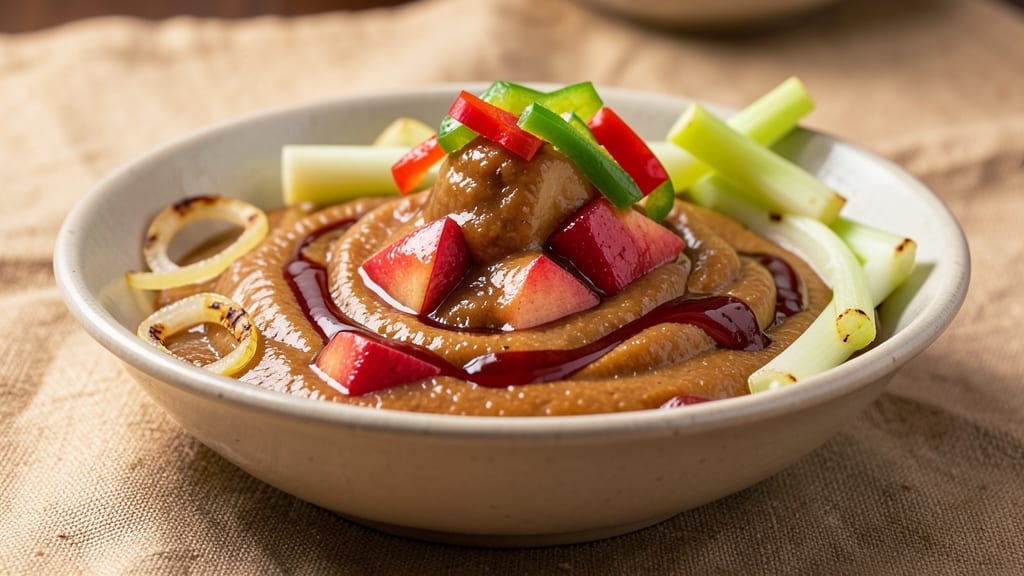
This apple sauce BBQ sauce recipe transforms sweet and smoky into a perfect balance that'll elevate your grilling game. 🔥 The secret lies in caramelizing celery and bell peppers first—this creates a deep, layered flavor that cuts through the sweetness while keeping the sauce rich and versatile.
I developed this after years of experimenting with fruit-based BBQ sauces, and it's become my go-to for everything from pulled pork to grilled chicken.
The beauty of this sauce is its simplicity: just a few pantry staples and a 30-minute simmer on the stove. You start by building a flavorful base with onions, celery, and bell peppers, then blend in apple sauce for natural sweetness and tang.
The result is a sauce that's smooth, glossy, and packed with that signature smoky-sweet BBQ flavor without being overly sticky or cloying.
What makes this sauce special is its versatility—use it as a glaze for ribs, a marinade for chicken, or even a dip for fries and veggies.
It stores well in the fridge for up to two weeks, so you can make a big batch and have it ready whenever you need a flavor boost. The caramelized base ensures it doesn't separate or turn grainy, even after reheating.
This isn't just another sweet sauce—it's a professional-grade blend that delivers restaurant-quality flavor at home. Whether you're smoking brisket, grilling chicken, or just looking for a better way to jazz up your favorite dishes, this sauce will become your new kitchen staple. Let's get started!
Ingredients for apple sauce bbq sauce
Pantry staples meet caramelized veggies for this smoky-sweet BBQ sauce masterpiece.
| Ingredient | Amount | Notes |
|---|---|---|
| Yellow Onion 🧅 | 1 whole | Diced, medium size preferred |
| Celery Stalks 🥬 | 3 whole | Diced, fresh and crisp |
| Bell Pepper 🌶️ | 1 whole | Red or green, diced |
| Apple Sauce 🍎 | 1 ½ cups | Unsweetened, unsulfured preferred |
| Tomato Paste 🍅 | ½ cup | Squeeze tube or canned |
| Apple Cider Vinegar 🍏 | ¼ cup | For tangy depth |
| Brown Sugar 🍚 | ½ cup | Light or dark variety |
| Smoked Paprika 🌶️ | 1 tbsp | For smoky flavor |
| Ground Black Pepper 🌶️ | ½ tsp | Freshly ground preferred |
| Garlic Cloves 🧄 | 3 cloves | Minced for depth |
| Extra-Virgin Olive Oil 🫒 | 2 tbsp | For sautéing vegetables |
| Water 💧 | ½ cup | For thinning if needed |
| Salt 🧂 | 1 tsp | Kosher or sea salt |
The veggie trio—onion, celery, and bell pepper—is where the magic happens. Fresh is best here, but frozen works in a pinch (no one will know). I always grab the organic celery at Whole Foods—it’s sweeter and less bitter. For the bell pepper, red adds natural sweetness, but green gives a brighter acidity. Sauté these until deeply caramelized—about 15 minutes—this builds the sauce’s rich foundation. If you’re short on time, a quick sauté still works, but the flavor won’t be as complex. The apple sauce? Mott’s unsweetened is my go-to—it’s smooth and doesn’t overpower.
No apple cider vinegar? White vinegar or lemon juice works in a bind, but you’ll lose that subtle apple tang. Swap brown sugar for maple syrup or honey if you’re avoiding refined sugar, but taste as you go—maple’s sweeter. The smoked paprika is non-negotiable for that BBQ smokiness, but if you’re out, liquid smoke at half the amount gets you close. For the tomato paste, those little squeeze tubes from Trader Joe’s are perfect—no waste, and they keep forever. If you’re making a big batch, double the spices but taste frequently; some brands are saltier than others.
This sauce keeps like a dream. Store it in a glass jar in the fridge for up to 2 weeks, or freeze in ice cube trays for single-use portions. The caramelized base means it won’t separate or turn grainy, even after reheating. I always make a double batch—one jar for the fridge, one for the freezer. Pro tip: Add a splash of water if it thickens too much when reheating. And if you’re using it as a marinade, reduce the salt in the sauce by half first.
Why You'll Love This Recipe
- Minimal Chopping Required: I swear by this sauce because the prep is ridiculously simple—just dice an onion, celery, and pepper (no fancy knife skills needed). The apple sauce does all the heavy lifting, so you’re basically simmering a sweet, smoky dream instead of slaving over a stove.
- Sweet-Smoky Magic: That apple sauce isn’t just filler—it balances the tangy tomato paste with a caramelized depth you won’t find in store-bought BBQ. The onion and pepper mellow into a rich, velvety base that clings to ribs, chicken, or even baked beans like a flavor hug.
- Weeknight & Potluck Hero: Between us, this sauce is my secret weapon for game days, tailgates, or when I’m too tired to cook. It’s thick enough to glaze but thin enough to drizzle, so it works on pulled pork, grilled veggies, or even as a sandwich spread. (Yes, even on a Tuesday night.)
- Budget-Friendly Leftovers: A single batch stretches for weeks—I keep it in the fridge for quick marinades or toss it in slow cookers. The apple sauce and tomato paste are cheap staples, so you’re getting restaurant-quality flavor without the markup. Honestly, it’s the kind of recipe that makes me feel like a genius.
Step-by-step instructions for apple sauce BBQ sauce
Here's how to build rich, caramelized depth into your sauce—no shortcuts, just bold flavors.
🍳 Step 1: Sauté the Vegetable Base Until Deeply Caramelized
Heat the 2 tbsp extra-virgin olive oil in a large saucepan over medium heat. Add the diced yellow onion, celery stalks, and bell pepper, stirring to coat them in the oil. Cook for 8-10 minutes until the vegetables soften and begin to release moisture.
Here's the thing—reduce the heat to medium-low once they start to brown. You want these veggies to caramelize slowly, developing that sweet, nutty depth that forms the backbone of your sauce. Stir occasionally, scraping up any browned bits from the bottom of the pan. These bits are pure flavor—don't let them go to waste!
After about 12-15 minutes, the vegetables should be tender and starting to turn golden. If they're sticking too much, add 1-2 tablespoons of water to deglaze and keep them moving. This step is what makes your sauce different from store-bought—patience pays off with layers of flavor.
👨🍳 Step 2: Add Aromatics and Spices for Depth
When the vegetables are tender and caramelized, push them to one side of the pan and add the 2 tbsp extra-virgin olive oil to the empty space. Once the oil shimmers, add the 3 minced garlic cloves and cook for 30 seconds—just until fragrant. You don't want them to burn, or they'll turn bitter.
Stir everything together, then add the 1 tbsp smoked paprika, 0.5 tsp ground black pepper, and 1 tsp salt. Let the spices toast in the pan for 1 minute, stirring constantly. This step blooms the flavors and gives your sauce that smoky backbone. You'll notice the aroma change immediately—this is your cue that the spices are working their magic.
Next, stir in the 0.5 cup tomato paste and cook for another 2-3 minutes, stirring constantly. The tomato paste will darken slightly and thicken the mixture. This is where the sauce starts to come together—don't walk away. Keep an eye on it to make sure it doesn't burn while it develops its rich color.
🥘 Step 3: Build the Sauce with Sweet and Tangy Layers
Pour in the 0.25 cup apple cider vinegar and 0.5 cup brown sugar, stirring well to combine. The vinegar will bubble slightly as it reacts with the tomato paste. Let the mixture simmer for 3-4 minutes until the sugar starts to dissolve and the sauce thickens slightly.
Now add the 1.5 cups apple sauce and 0.5 cup water. Stir everything together and bring to a gentle simmer. Here's where it gets good—let it cook uncovered for 15-20 minutes, stirring occasionally. You want the sauce to reduce and thicken, developing a glossy, syrupy consistency. If it gets too thick before then, add a splash of water to loosen it.
Taste as you go. You might need to adjust the balance—add a pinch more salt if it's too mild, or a splash more vinegar if it needs more tang. The sauce should be sweet, smoky, and slightly tangy with a thick, velvety texture. This is your flavor foundation, so don't rush it.
⏰ Step 4: Simmer to Perfection and Finish
Once the sauce has thickened to your liking, reduce the heat to low and let it simmer gently for another 10 minutes. This final step ensures all the flavors meld together beautifully. The sauce should coat the back of a spoon and have a glossy sheen.
Taste again and make any final adjustments. If it needs more depth, add a pinch of smoked paprika. If it's too thick, thin it with a little more water. The goal is a sauce that's rich, balanced, and ready to glaze meats or drizzle over veggies.
Let the sauce cool slightly before using—this allows the flavors to settle and deepen. Store any leftovers in an airtight container in the refrigerator for up to 2 weeks, or freeze for longer storage. This sauce gets even better the next day as the flavors continue to develop!
Pro Tips For Making Apple Sauce Bbq Sauce
- Sweat, Don’t Burn: Start your onion, celery, and bell pepper in a cold pan—no oil yet. Add a splash of water or apple juice, cover, and let them steam for 5 minutes. This softens them without turning them into charred mush, which can make your sauce taste bitter. (Yes, even if you're impatient like me.)
- Use Unsweetened Apple Sauce: Sweetened apple sauce will turn your BBQ sauce into syrup. Grab the unsweetened kind—it balances the acidity from the tomato paste and lets the smoky, tangy flavors shine through. Trust me, your ribs (or whatever you're slathering) will notice the difference.
- Deglaze with Vinegar: After browning your veggies, splash in 2 tablespoons of apple cider vinegar before adding the tomato paste. It cuts through the richness of the apple sauce and adds a bright, tangy depth that store-bought sauces can’t match. (This isn’t the prettiest step, but it’s the thing that matters most.)
- Simmer Low and Slow: Reduce the heat to a gentle simmer once everything’s combined—no boiling. You’re making sauce, not soup. Skim off any foam that rises, and let it thicken naturally over 20-30 minutes. Rushing this step = gluey, watery sauce. (Your future self will thank you.)
Make-ahead tips for this recipe
Batch Prep Strategy
Make this sauce in double batches—it’s perfect for meal prep and freezes beautifully. I always prepare 4 cups at a time so I have enough for ribs, chicken, and even as a marinade.
Store in glass jars (like Ball mason jars) in the fridge for up to 2 weeks, or freeze in ice cube trays for single-use portions. The caramelized base keeps it stable, so no separation or graininess after reheating. 💪
Freezer-Friendly Tips
For long-term storage, freeze the sauce in silicone molds or ice cube trays—thaw just what you need for the day. If using frozen sauce, thaw in the fridge overnight, then reheat gently on the stovetop with a splash of water to restore its glossy texture.
I’ve kept this sauce frozen for 3 months without quality loss—just avoid refreezing once thawed. 🧊
Versatile Uses
This sauce isn’t just for grilling—use it as a marinade for chicken or pork (reduce salt by half first), a dipping sauce for fries, or a glaze for roasted veggies. I love brushing it on cornbread or mixing it into mac and cheese for a smoky twist.
The apple sauce keeps it balanced, so it won’t overpower delicate flavors like fish or tofu. 🌶️
Reheating Secrets
Reheat gently on the stovetop over low heat—never microwave, or it’ll turn grainy. Add 1-2 tablespoons of water if the sauce thickens too much. For extra shine, finish with a drizzle of extra-virgin olive oil before serving.
If you’re using it as a glaze, reheat until slightly thickened (about 5 minutes), then brush on meats in the last 10 minutes of cooking. ✨
Flavor Boost Hacks
Need more depth? Stir in 1 teaspoon of liquid smoke or ½ teaspoon of chipotle powder for extra smokiness. For a sweeter glaze, add 1 tablespoon of honey when reheating. If you’re using it on spicy dishes, balance with a pinch of brown sugar to tame the heat.
I keep a jar in my fridge at all times—it’s my go-to for quick flavor upgrades. 💡
Kid-Friendly Adjustments
For picky eaters, reduce the smoked paprika to ½ teaspoon and add 1 extra tablespoon of apple sauce for extra sweetness. The natural flavors still shine, but the smokiness is milder.
Kids love it as a dip for chicken nuggets or a glaze for baked sweet potatoes. It’s a sneaky way to get them eating veggie-based sauces without realizing it. 🍎
Nutrition facts
Frequently asked questions
Can I substitute apple cider vinegar in this sauce?
Yes! You can swap apple cider vinegar for white vinegar or lemon juice in a pinch, but you'll lose that subtle apple tang. Use the same amount (0.25 cup) and adjust sweetness afterward—white vinegar is sharper, while lemon adds a citrusy brightness. For a closer match, try rice vinegar with a pinch of cinnamon.
How do I adjust this sauce for grilling vs. slow cooking?
For grilling (like ribs or chicken), use the sauce as-is—it's already the right consistency for brushing. For slow-cooked meats (like pulled pork), reduce the apple sauce to 1 cup and add 0.25 cup water to prevent it from becoming too thick when simmered for hours. The caramelized base holds up beautifully in both methods!
Why did my sauce turn out too sweet?
This happens when the apple sauce dominates or the sugar didn't fully dissolve. Next time, simmer longer (20-25 minutes) to reduce natural sweetness, or balance with 1 extra tablespoon of vinegar. For immediate fixes, stir in 1 teaspoon of smoked paprika or a pinch of salt to cut sweetness. The caramelized veggies help mask excess sweetness, but you can also add 1 tablespoon of Dijon mustard for tang.
Can I make this sauce without tomato paste?
Replace the 0.5 cup tomato paste with 1 cup crushed tomatoes (canned or fresh) or 0.5 cup tomato sauce. Simmer longer (5-10 extra minutes) to thicken naturally. The sauce will have a brighter acidity, so reduce vinegar to 0.125 cup to maintain balance. The caramelized veggie base still delivers that deep flavor foundation!
How long can I store this sauce, and does it thicken when refrigerated?
This sauce stays fresh for 2 weeks in the fridge and 3 months in the freezer. It may thicken slightly when refrigerated—just stir in 1-2 tablespoons of water when reheating. For a glossy finish, add a drizzle of olive oil before serving. The caramelized base prevents separation, so it reheats beautifully every time!