
Sauces & Condiments
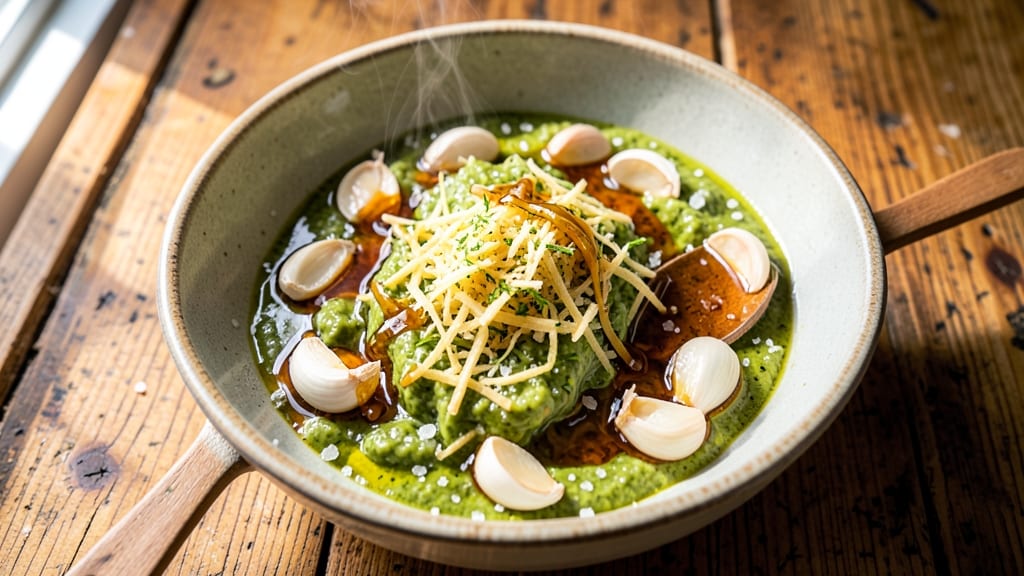
This apple cider vinegar garlic ginger recipe transforms simple pantry staples into a versatile, tangy panacea that elevates everything from salads to roasted vegetables.
The bright, zesty blend of raw apple cider vinegar, fresh garlic, and ginger creates a dressing that cuts through richness while adding layers of flavor—no fancy ingredients required.
I developed this after realizing how often I reached for store-bought dressings that lacked depth, so I created my own fail-safe version that lasts for weeks.
The magic happens when you blend the ingredients into a smooth, aromatic emulsion—the vinegar provides acidity, garlic adds depth, and ginger brings warmth.
This isn’t just another salad dressing; it’s a multi-purpose condiment that works as a marinade for grilled chicken, a dipping sauce for spring rolls, or a finishing touch for soups.
The recipe requires just 10 minutes of prep and keeps well in the fridge for up to two weeks, making it perfect for meal prep.
What makes this sauce special is its balance of sharp, sweet, and spicy notes—the apple cider vinegar brightens, garlic adds savory complexity, and ginger introduces a subtle heat. The result is a dressing that’s bold enough to stand on its own but gentle enough to complement delicate flavors.
Whether you’re drizzling it over a hearty grain bowl or using it to tenderize meat, this recipe delivers restaurant-quality results with minimal effort.
Once you make it, you’ll find endless uses—toss it with greens for a zesty salad, brush it on fish before baking, or use it as a base for homemade hot sauce. The possibilities are limited only by your imagination. Let’s get started!
Ingredients for apple cider vinegar garlic ginger
Eight simple ingredients transform into a dressing that works everywhere—salads, marinades, and more.
| Ingredient | Amount | Notes |
|---|---|---|
| Raw Apple Cider Vinegar 🍎 | ½ cup | Unfiltered for best flavor |
| Fresh Garlic Cloves 🧄 | 6 cloves | Peeled, rough chopped |
| Fresh Ginger Root 🌿 | 2 tbsp | Grated, skin on preferred |
| Extra-Virgin Olive Oil 🫒 | ¼ cup | For smooth emulsion |
| Honey 🍯 | 1 tbsp | For subtle sweetness |
| Sea Salt 🧂 | 1 tsp | Diamond Crystal preferred |
| Black Peppercorns 🌶️ | ½ tsp | Freshly cracked preferred |
| Fresh Lemon Juice 🍋 | 1 tbsp | Brightens the blend |
The apple cider vinegar is the heart of this recipe. Bragg or Texas Pete are my go-tos—they’ve got that rich, tangy depth store-bought dressings lack. Fresh garlic and ginger are non-negotiable for real flavor, but if you’re in a pinch, powdered ginger works at double the amount. For the olive oil, grab a fruity, peppery variety—California Extra Virgin from the grocery store’s olive oil section is perfect. The honey should be raw if possible, but regular works fine. If you’re avoiding honey, maple syrup works 1:1.
No fresh garlic? Garlic powder at half the amount is better than skipping it. If you’re making this ahead, add the lemon juice last to keep it bright. The peppercorns can be omitted if you dislike heat, but I love the subtle kick. For extra zing, add a pinch of red pepper flakes. This dressing is so versatile that I often double the batch—one for salads, one for marinating chicken. The olive oil helps create that silky texture, so don’t skimp. If you’re using it as a marinade, reserve some for basting after cooking.
Store in a sealed jar in the fridge for up to 2 weeks. The flavors actually improve after a day or two as everything melds. If it separates, just shake it up—it’ll come back together. I like to keep a small jar in my fridge for quick drizzling. For longer storage, freeze in ice cube trays and pop out what you need. The lemon juice might make it cloudy, but that’s normal and doesn’t affect taste. This dressing is the ultimate pantry hero—always ready when you need it.
Why You'll Love This Recipe
- Pantry Magic: I swear by this mix—no shopping lists, no last-minute grocery runs. Just pull that jar of apple cider vinegar, a couple of garlic cloves from the bulb, and whatever ginger’s lurking in the fridge. Honestly, it’s the kind of recipe that makes me feel like I’m cooking when I’m really just assembling.
- Zingy Balance: That first bite? Sharp, sweet, and warm all at once. The honey softens the vinegar’s bite while the ginger’s kick and garlic’s depth make it impossible to stop at one spoonful. I’ll be real: I’ve caught myself sneaking extra while pretending to season something else.
- Dress-Up Anything: Drizzle it over roasted veggies, toss it into a grain bowl, or even swirl it into yogurt for a tangy twist. My lazy nights love it on scrambled eggs—suddenly, breakfast feels gourmet. And between us? It’s the secret weapon in my takeout-style stir-fries when I’m craving restaurant flavors without the effort.
- Lasts Like a Champ: Make a big batch (it takes two minutes) and stash it in the fridge for weeks. Use it to brighten up dull salads, glaze grilled chicken, or even deglaze a pan after searing. Budget-friendly? Absolutely. But more than that—it’s the kind of staple that turns "what’s for dinner?" into "oh, I’ve got this covered."
Step-by-step instructions for apple cider vinegar garlic ginger dressing
This bright, tangy dressing comes together in minutes with simple techniques that maximize flavor.
Grate the Ginger and Mince the Garlic
Using a microplane or fine grater, grate the 2 tablespoons of fresh ginger root with the skin on for extra zing. The ginger should yield about 1 tablespoon of finely grated zest—this is perfect for our dressing. Set it aside in a small bowl.
Next, peel the 6 cloves of fresh garlic and roughly chop them. I like to smash them lightly with the flat side of my knife first—this helps release their oils and makes them easier to mince. You want pieces about 1/8-inch in size, not too fine or they'll burn quickly.
Combine Wet Ingredients for Emulsion
In a medium bowl, whisk together the 0.5 cup of raw apple cider vinegar, 1 tablespoon of honey, and 1 tablespoon of fresh lemon juice. The vinegar should be unfiltered for that rich, cloudy texture and deeper flavor. Stir until the honey dissolves completely—this should take about 10 seconds of vigorous whisking.
This is the base of your dressing, and balancing the sweetness with the acidity is key. Taste a small spoonful—you should detect the sharp tang of the vinegar with a subtle sweetness from the honey. If it needs more brightness, add a pinch more lemon juice.
Gradually Add Oil for a Smooth Dressing
With the whisk still in the bowl, very slowly drizzle in the 0.25 cup of extra-virgin olive oil while whisking continuously. This gradual addition is crucial—it creates a stable emulsion where the oil and vinegar blend smoothly instead of separating. I like to whisk for about 30 seconds after adding all the oil to ensure everything is fully incorporated.
Here's the thing—if you add the oil too quickly, you'll end up with a split dressing where the oil floats on top. The slow whisking method guarantees a silky, uniform texture perfect for drizzling over salads or tossing with grains.
Season and Blend with Aromatics
Add the grated ginger and minced garlic to the dressing, along with the 1 teaspoon of sea salt and 0.5 teaspoon of freshly cracked black peppercorns. Stir well to combine—you should see the garlic and ginger disperse evenly throughout the dressing. Let it sit for 5 minutes at room temperature to allow the flavors to meld.
The salt and pepper should enhance all the other flavors rather than overpower them. Taste again and adjust if needed—most likely, you'll want to add a tiny bit more salt to balance the acidity. The dressing should be vibrant, tangy, and slightly sweet with a warm ginger kick.
Rest Before Using for Best Flavor
Cover the bowl with plastic wrap and let the dressing rest at room temperature for at least 15 minutes (up to 2 hours if you're making it ahead). This resting period allows all the flavors to fully develop and the dressing to reach its peak potency.
I know it's tempting to use it immediately, but this waiting time makes a world of difference. The acidity mellows slightly, the ginger's heat becomes more pronounced, and the garlic's sharpness softens into a mellow sweetness. When you're ready to use it, give it one final stir—it should be smooth, glossy, and ready to elevate any dish.
Pro Tips For Making Apple Cider Vinegar Garlic Ginger
- Peel Ginger Fast: Use a spoon’s back to scrape off the skin in one smooth motion—no peeler needed. I learned this the hard way after spending 10 minutes trying to slice through ginger with a knife. Works like a charm, especially for thick root pieces.
- Bloom the Garlic: Heat the olive oil low and slow until the garlic just starts to sizzle—about 2 minutes. If you rush it, the garlic burns before the ginger has a chance to soften properly. Trust me, the difference in flavor is night and day.
- Dilute the Vinegar: Mix 1 part raw apple cider vinegar with 2 parts warm water before adding it to the pan. Undiluted vinegar can shock the garlic and ginger, making them bitter instead of mellow. Sounds weird, but it works—your future self will notice.
- Honey Last: Stir in the honey only after the garlic and ginger have softened and the vinegar has reduced slightly. Adding it too early means it burns before the flavors meld, turning sweet into bitter. Wait until the end—it’s the thing that matters most.
Flavor customization for these flavors
Sweet Heat Balance
Adjust the sweetness by swapping honey for agave nectar or maple syrup—both work 1:1. For extra heat, add ½ teaspoon of red pepper flakes or 1 teaspoon of sriracha. If you prefer a milder kick, reduce the ginger to 1 tablespoon and omit the black peppercorns.
I often tweak this based on the dish—more heat for Asian-inspired dishes, less for delicate salads. 🌶️
Herb Infusions
Add 1 tablespoon of fresh herbs like cilantro, basil, or dill for a bright twist. For a Mediterranean vibe, stir in ½ teaspoon of dried oregano or 1 teaspoon of chopped fresh parsley.
If you love umami, a ½ teaspoon of fish sauce or 1 teaspoon of soy sauce deepens the flavor profile beautifully. Let infused dressings sit for 10 minutes to meld flavors.
Citrus Variations
Swap lemon juice for orange juice or lime juice to change the flavor profile. Orange adds a tropical sweetness, while lime brings a sharper tang. For a citrusy kick, add 1 teaspoon of grated orange zest or lime zest.
I love using lime juice in this dressing for tacos or seafood dishes—it cuts through richness perfectly. 🍊
Spiced Up
For a warming twist, add ¼ teaspoon of ground cinnamon or pinch of smoked paprika. A ½ teaspoon of grated star anise or cayenne pepper adds depth and complexity.
These spices work especially well with roasted vegetables or grilled meats. Just be mindful—spices like star anise can overpower if used too liberally.
Creamy Options
For a richer texture, stir in 1 tablespoon of tahini or 1 teaspoon of Dijon mustard to create a creamy dressing. If you prefer dairy, add 1 tablespoon of Greek yogurt or mayonnaise (about 1 tablespoon) for a tangy, velvety finish.
These additions work best in dressings for heartier dishes like grain bowls or sandwiches.
Global Flavors
Transform this into a Thai-inspired dressing by adding 1 teaspoon of fish sauce and ½ teaspoon of lime zest. For a Mexican twist, include ½ teaspoon of ground cumin and ¼ teaspoon of chili powder.
A Japanese variation could incorporate 1 teaspoon of rice vinegar and ½ teaspoon of sesame oil. Each adaptation keeps the core flavors but adds cultural depth. 🌍
Nutrition facts
Frequently asked questions
Can I substitute white vinegar for apple cider vinegar?
While you can use white vinegar in a pinch, apple cider vinegar's rich, tangy depth is what makes this dressing special. The unfiltered version adds subtle sweetness and complexity that white vinegar lacks. If you must substitute, use 1 tablespoon of maple syrup extra to compensate for the missing flavor notes.
How long does this dressing keep in the fridge?
This vibrant dressing stays fresh for up to 2 weeks when stored in an airtight container in the refrigerator. The flavors actually improve over time as the ingredients meld together. If it separates, simply shake or whisk before using—it'll come back together perfectly.
Can I make this without honey?
For a vegan version, use 1 tablespoon of maple syrup or agave nectar instead. If you prefer no sweetener, you can reduce the honey to ½ tablespoon and add ½ teaspoon more lemon juice to balance the acidity. The dressing will still be delicious—just slightly sharper.
What are the best ways to use this dressing?
This versatile sauce works as a salad dressing, marinade for grilled chicken or fish, or dipping sauce for spring rolls. Try drizzling it over roasted vegetables, mixing into grain bowls, or using it as a base for homemade hot sauce. The possibilities are endless!
Why does my dressing separate?
Separation happens when oil and vinegar aren't properly emulsified. The fix is simple: whisk vigorously or use an immersion blender to recombine. For future batches, add the oil very slowly while whisking continuously. If you prefer a more stable dressing, consider adding 1 teaspoon of Dijon mustard as a natural emulsifier.